

Global Broker Regulation Inquiry App
About WikiFX


Leading the Transparency Movement, The Trust Dialogue with AIPRIME

WikiFX
|


Abstract:In this edition of WikiLicense’s corporate interview series, we speak with Kevin Fang, General Counsel of AIPRIME, one of the early adopters of the WikiLicense dynamic certification badge. In this interview, Kevin Fang shares AIPRIME’s perspective on building trust through transparency, the importance of accessible and verifiable regulatory information. He also discusses how solutions like WikiLicense can help bridge information gaps, strengthen investor protection, and encourage higher standards of accountability and professionalism across the financial industry.
Trust in financial markets is built on transparency, verification, and accountability. To address the growing need for reliable license information and greater industry visibility, WikiLicense provides a dynamic certification solution that enables brokers to showcase verified licensing details and allows investors to access clearer, more trustworthy information.
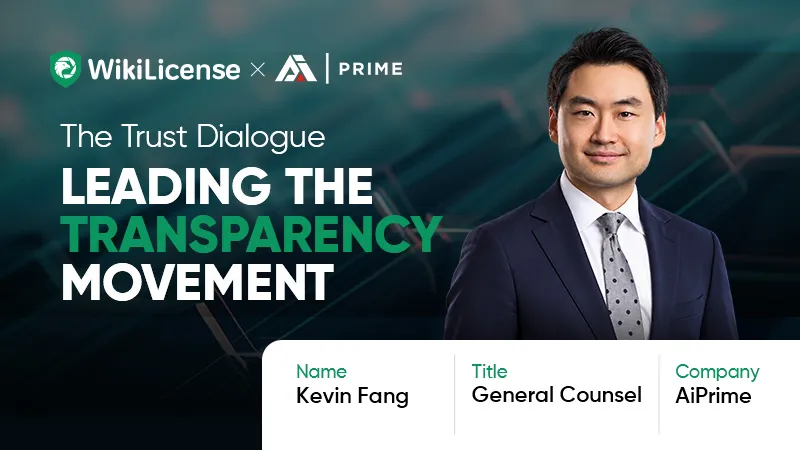
Q1: In an industry as fast-paced and complex as forex trading, what does “let trust be seen” mean for your daily operations and long-term strategy?
Kevin Fang: At AIPRIME, “let trust be seen” means that client trust should be built on clear, verifiable information and reinforced through everyday service.
In our daily operations, we focus on consistency between what we communicate and what clients experience. That means making regulatory information clear, explaining trading rules and costs in an accessible way, and responding to questions promptly and accurately. During periods of rapid market change, the quality of communication and the way concerns are handled become particularly important measures of professionalism.
From a long-term perspective, we see transparency as a foundation for our brand and client relationships. We want clients to choose AIPRIME because they understand who we are, can verify our information, and develop confidence through their experience with us. Ensuring that those experiences consistently support our commitments is what “let trust be seen” means to us.
Q2: What was the primary strategic driver behind adopting WikiLicense and displaying its dynamic certification badge on your website?
Kevin Fang: The primary driver was to make our regulatory information easier to access and verify, reducing the information barriers that can make trust difficult to establish.
Financial services require specialist knowledge, and operating across markets involves different regulatory frameworks. Even when information is publicly available, clients may not know where to look or how a brand, its licensed entity, and its official website are connected.
We adopted WikiLicense because we value the more accessible route it provides to verification. The badge on our website and its linked verification page allow clients to review relevant information and make better-informed assessments.
For AIPRIME, this also reflects our approach to business: we welcome scrutiny of our public information and believe that transparent, open communication supports lasting relationships with clients and partners.
Q3: What impact do cloned licenses, impersonated identities, and misleading information have on investors and legitimate brokers?
Kevin Fang: The most immediate harm is that investors may make decisions based on a false understanding of who they are dealing with. When an unrelated platform misuses a genuine license number, investors can mistakenly believe they are engaging with the licensed firm.
This can expose them to financial loss, misuse of personal information, and difficulty identifying the responsible party when a dispute arises. Beyond the individual case, such experiences can undermine confidence in the wider industry.
For legitimate brokers, impersonation can damage their reputation, create uncertainty among clients, and require additional resources to identify and address misleading claims. Firms that invest consistently in compliance and service must also spend time distinguishing themselves from those misusing their identity.
Verification therefore needs to go beyond confirming that a license exists. It should establish who holds it and whether the website and business the investor is dealing with are connected to that entity. Making those relationships clear helps investors identify impersonation more effectively.
Q4: How important is transparency of financial license information in building user trust and promoting the healthy development of the industry?
Kevin Fang: We see transparency of licensing information as an essential foundation for client trust. Clients need to understand the identity and regulatory background of a service provider before they can meaningfully assess its trading conditions, service capabilities, and suitability for their needs.
Effective transparency requires both disclosure and understanding. Information should clearly identify the licensed entity, the regulator, the license status, and the scope of the relevant permissions.
From a business perspective, this clarity can reduce the time clients spend checking information and help prevent misunderstandings. It also allows firms that invest seriously in compliance and service to make those efforts more visible to the market.
The long-term value of transparency lies in helping clients build trust on an informed basis. Brokers can then earn recognition through the quality of their service, encouraging competition that places greater value on professionalism and sound business practices.
Q5: What areas should the financial industry continue to improve to enhance transparency and investor protection?
Kevin Fang: I would highlight four priorities.
First, regulatory information should be easier to understand. Alongside a license, firms should clearly explain the licensed entity, the scope of its permissions, and the clients those permissions cover.
Second, information should be kept current, with changes clearly communicated. Updates to license status, permissions, or official contact details should be reflected promptly and be easy for users to identify.
Third, transparency should extend across the entire service experience. Trading costs, execution policies, fund-processing procedures, and complaint and dispute-resolution channels should all be clearly explained and easy to find.
Fourth, investor education needs continued attention. Users should be equipped to check regulatory records, identify official communication channels, and recognise impersonation and unrealistic promises.
Our vision is for transparency to run through the entire client relationship, giving clients the information they need to make informed decisions at every important stage.
Q6: Why does the financial industry need a more transparent license verification mechanism today?
Kevin Fang: As financial services become increasingly digital and cross-border, clients encounter financial firms through a growing range of channels. Across websites, social media, and promotional content, users need a clear, traceable way to verify the identity of the organisation they are dealing with.
A useful verification mechanism should explain where the information comes from, what has been checked, which entity it relates to, and when it was updated. The clearer its scope and evidence, the better users can understand what the result means.
Such mechanisms can help investors identify impersonation, enable legitimate firms to present their credentials more clearly, and support the detection and correction of inaccurate information.
AIPRIME supports initiatives such as WikiLicense that make information easier to verify, while recognising that official regulatory records should remain the authoritative basis for checking licensing information. We want to encourage a shared industry standard: trust should be supported by evidence, and verification should become a routine part of choosing a financial service provider.
A More Transparent Future Starts with Verification
As the financial industry continues to evolve, transparency and independent verification will play an increasingly important role in building lasting trust. WikiLicense is committed to helping financial institutions make their regulatory credentials more visible while giving investors easier access to verified license information.
Financial institutions are invited to verify and showcase their licenses through WikiLicense, helping clients see trust for themselves.
The WikiLicense corporate interview series is ongoing. We will continue speaking with industry leaders and financial institutions to explore how transparency, verification, and accountability are shaping a more trustworthy and sustainable financial industry.
Disclaimer:
The views in this article only represent the author's personal views, and do not constitute investment advice on this platform. This platform does not guarantee the accuracy, completeness and timeliness of the information in the article, and will not be liable for any loss caused by the use of or reliance on the information in the article.
WikiFX Broker
Latest News
Analysis: Jensen Huang‘s exit tests Nvidia’s role as the ‘central bank of AI’
WikiFXOneRoyal Global Sales Head Gebran Massabni Exits After 18 Years
WikiFXIG Group Clears Court Hurdle for Jersey Move as Shares Shift on 16 November
WikiFXSlippage: why your forex order fills at a price you did not see
WikiFXUS Dollar Price Forecast: DXY Eyes 103.15 at 19-Month High as EUR/USD, GBP/USD Slide
WikiFXGold Prices Fall 14.9% in India Compared with 21.4% Global Decline from January Peak
WikiFX5 Ways PrimeXBT Helps Traders Reduce Trading Costs
WikiFXGold Slips Below $4,000 as Hot US Inflation Lifts December Rate-Hike Bets
WikiFXWhat Does It Mean When A Regulator Flags A Broker? What Traders Must Know?
WikiFXLeading the Transparency Movement, The Trust Dialogue with AIPRIME
WikiFX