

Global Broker Regulation Inquiry App
About WikiFX


What Does It Mean When A Regulator Flags A Broker? What Traders Must Know?
WikiFX
|


Abstract:A warning issued by a financial regulator against a forex broker should never be dismissed as a routine announcement. For traders, it could be an early indication of potential financial danger, raising serious questions about whether their money is being handled by a legitimate and properly supervised company.
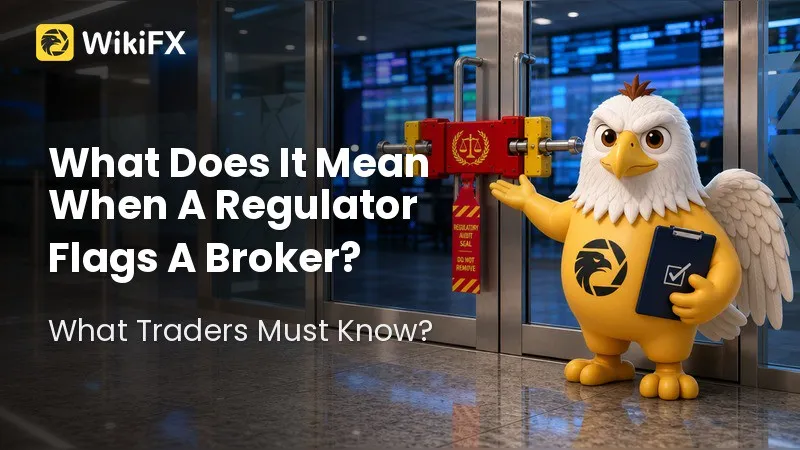
When a regulator flags a broker, it generally means the authority has identified concerns involving the company's activities, licensing status or compliance with financial regulations. In some cases, the broker may be operating without the required authorisation. In others, the regulator may have received complaints, identified suspicious activities or discovered that a company is falsely claiming to be licensed.
The implications can be significant, particularly for retail traders who may have already deposited substantial amounts of money.
 Contents
What Happens When a Broker Is Flagged?
A regulatory warning is an official signal that investors should exercise caution when dealing with a particular company. Depending on the circumstances, the regulator may identify the broker as an unauthorised entity, warn the public against its services or issue an alert concerning suspected fraudulent activities.
However, being flagged does not automatically establish that a broker has committed fraud. The specific allegations and regulatory findings must be examined carefully before drawing conclusions.
Nevertheless, the warning should prompt traders to reconsider whether continuing to deposit funds is worth the risk.
One of the biggest concerns involves investor protection. Brokers operating under recognised regulatory frameworks are generally required to comply with rules covering client fund protection, financial reporting, business conduct and operational standards. Unauthorised companies may not be subject to the same oversight, leaving customers with fewer avenues for assistance when disputes arise.
Why Traders Should Check Before Depositing
A broker's website may display regulatory logos, licence numbers and official looking certificates, but these claims should never be accepted without independent verification.
Some questionable operators may use the names of legitimate financial institutions, copy licence details from authorised companies or provide misleading information to create an appearance of credibility. This practice, commonly associated with clone firms, can make it particularly difficult for inexperienced traders to distinguish legitimate brokers from suspicious operators.
Traders should therefore verify a broker directly through the relevant regulator's official database. They should also ensure that the licensed company's name, registration details and website address correspond with the broker they intend to use.
How WikiFX Can Help Traders
For traders who are uncertain about a broker's credibility, WikiFX provides a platform where broker information and regulatory status can be checked for free. Its database allows users to examine available licensing information, regulatory details and other broker related information before making financial commitments.
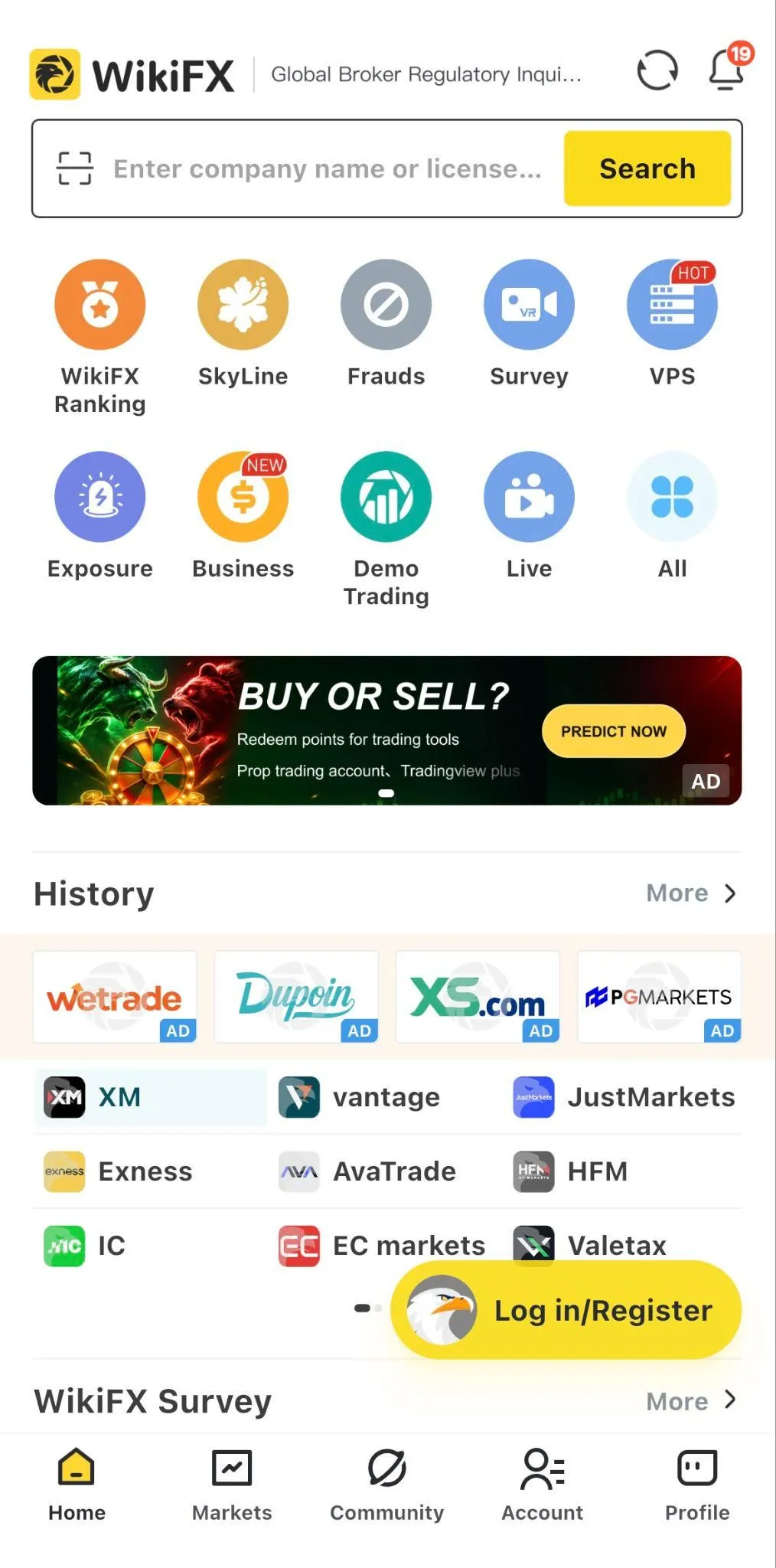
While WikiFX can serve as a useful preliminary screening tool, traders should still cross check important licensing information with the relevant financial regulator. No rating or verification platform should replace official regulatory confirmation.
Why This Matters to Traders
For traders, the risks are particularly relevant when dealing with offshore forex brokers operating through online platforms and social media promotions. A company accepting customers from Malaysia does not automatically mean it is authorised to provide financial services in the country.
Before transferring money, traders should check the broker's regulatory standing and consult the Securities Commission Malaysia or Bank Negara Malaysia, depending on the nature of the financial services involved.
A few minutes of verification could prevent months of financial disputes, unsuccessful withdrawal attempts or potentially irreversible losses.
Do Not Wait Until Your Money Is Gone
Regulatory warnings exist for a reason. Ignoring them could expose traders to risks that might have been identified before the first deposit was made.
Before opening an account or transferring funds, download the WikiFX app and check a broker's regulatory status for free. When it comes to protecting trading capital, verification should always come before investment.
Disclaimer:
The views in this article only represent the author's personal views, and do not constitute investment advice on this platform. This platform does not guarantee the accuracy, completeness and timeliness of the information in the article, and will not be liable for any loss caused by the use of or reliance on the information in the article.
WikiFX Broker
Latest News
Forex Automation Has One Weak Link. Can You Spot It?
WikiFXWhat Does It Mean When A Regulator Flags A Broker? What Traders Must Know?
WikiFXSlippage: why your forex order fills at a price you did not see
WikiFXASIC Warns 7,639 Super Switch Clients Moved $678 Million Through Lead Generators
WikiFXGlobal Markets Outlook: Oil Retreat Fuels Pre-CPI Recovery
WikiFXU.S. Dollar Rallies As CPI Exceeds Estimates: Analysis For EUR/USD, GBP/USD, USD/CAD, USD/JPY
WikiFXGBP/USD | Current targets
WikiFXA key report for where inflation stood in October comes out Tuesday. Here's what to expect
WikiFXEURUSD Attempts a Bounce — Can Buyers Reclaim 1.1170?
WikiFX5 Ways PrimeXBT Helps Traders Reduce Trading Costs
WikiFX