Global Broker Regulation Inquiry App
About WikiFX


As Europe’s Cost-of-Living Crisis Flares, Far Right Gains Ground Ahead of Elections

WikiFX
|


Abstract:Rising fuel prices are fueling protests across Europe, as far-right parties capitalise on public anger ahead of key elections. The energy crisis is putting governments under pressure and reigniting debate over ties with Russia.
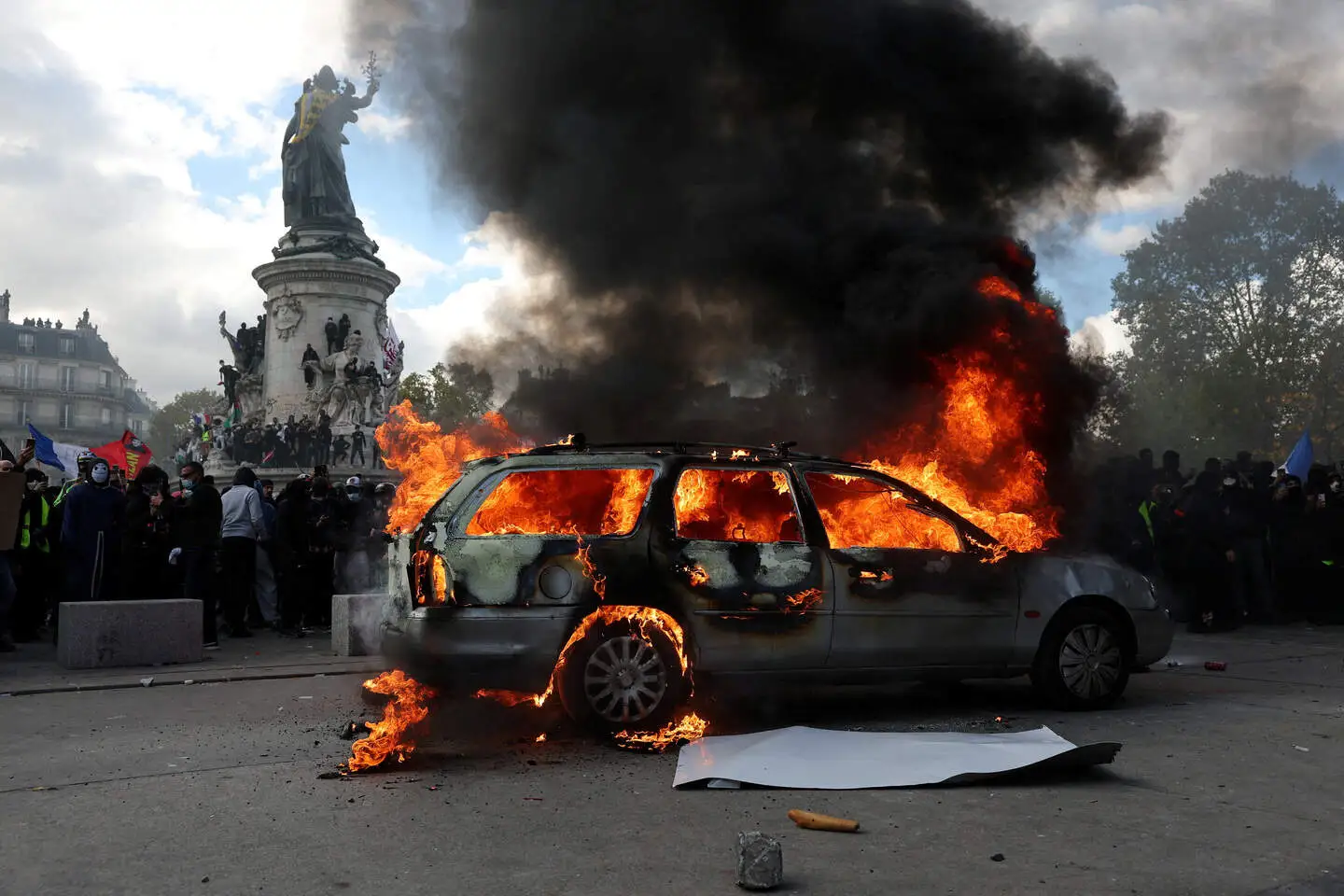
Europes soaring energy prices are intensifying public anger, triggering protests across the continent and giving far-right populist parties fresh momentum ahead of key elections next year. With households and businesses struggling to cope with rising costs, fuel prices have become a major political issue in France, Germany, Italy and beyond.
The US-Iran war, which began in February, has sent energy prices sharply higher, adding to Europes existing economic pressures. According to the European Commission, the conflict has cost the continent around €100 billion, with natural gas prices rising by approximately 140% and diesel prices doubling.
The impact is being felt across Europe. In France, protests over deteriorating public services and rising living costs have escalated into serious unrest, with reports of looting and arson. In Italy, farmers have taken to the streets as soaring fuel costs make agricultural operations increasingly expensive. Truckers and industrial workers have also blocked roads, disrupting transport and raising concerns about local fuel shortages.
Meanwhile, tens of thousands of people have marched in Portugal over low wages and housing costs. Spain and Belgium have also seen demonstrations, reflecting growing frustration over the affordability of everyday life.
The growing cost-of-living crisis is reshaping Europe‘s political landscape. In France, National Rally leader Marine Le Pen has made fuel prices a central campaign issue ahead of next April’s presidential election. Her proposal to sharply cut fuel taxes has attracted widespread support, particularly among rural voters who rely heavily on cars.
In Germany, the Alternative for Germany (AfD) is leading national opinion polls, using rising inflation and energy costs to challenge Chancellor Friedrich Merzs government. Similar trends are emerging in Italy and Poland, where far-right movements are gaining support by tapping into public frustration over household bills and economic insecurity.
As energy costs rise, some far-right politicians are calling for Europe to restore energy ties with Russia. Germany‘s AfD argues that restrictions on Russian energy have placed unnecessary pressure on the country’s economy. Similar proposals have emerged in Italy and Poland, challenging the European mainstreams continued support for Ukraine.
Analysts warn that populist parties often blame high energy costs on government policy, even when broader geopolitical shocks play a significant role. Such arguments can resonate with voters who are struggling financially and increasingly distrustful of established political parties.
Disclaimer:
The views in this article only represent the author's personal views, and do not constitute investment advice on this platform. This platform does not guarantee the accuracy, completeness and timeliness of the information in the article, and will not be liable for any loss caused by the use of or reliance on the information in the article.
WikiFX Broker
Latest News
Nigeria's Weekly Dollar Trading Falls 22% to $2.62 Billion as Forward Deals Plunge
WikiFXFirst Light News: Chip Bounce Fails to Inspire Asia & France Weighs on Europe
WikiFXInside WeTrade’s Exclusive Houston Rockets VIP Experience in Macao
WikiFXCFI Puts a Trading Behaviour Score and AI Assistant Inside Its App
WikiFXGlobal Markets Forecast: French Bond Yields Surge as Oil Retreats
WikiFXUS Dollar Price Forecast: Fed Hike Bets Fade, DXY Tests 102.18 as EUR/USD, GBP/USD Slip
WikiFXXTrend Speed Broker Exposed: What Are Other Traders Saying About This Broker?
WikiFXLeading the Transparency Movement, The Trust Dialogue with Vatee
WikiFXNigeria's Weekly Dollar Trading Falls 22% to $2.62 Billion as Forward Deals Plunge
WikiFXPlus500 to buy Brazilian broker-dealer Guru in Latin America push
WikiFX