

Global Broker Regulation Inquiry App
About WikiFX
English
简体中文
繁體中文
English
Pусский
日本語
ภาษาไทย
Tiếng Việt
Bahasa Indonesia
Español
हिन्दी
Filippiiniläinen
Français
Deutsch
Português
Türkçe
한국어
العربية
اردو
FXTRADING Financial Focus (Asia-Pacific 04/13)Energy Shock Clouds Outlook, Fed Stays on Hold
Abstract:Recent discussions around the trajectory of US inflation and interest rates have once again been pushed to the forefront by energy factors. Mary Daly, President of the Federal Reserve Bank of San Fran
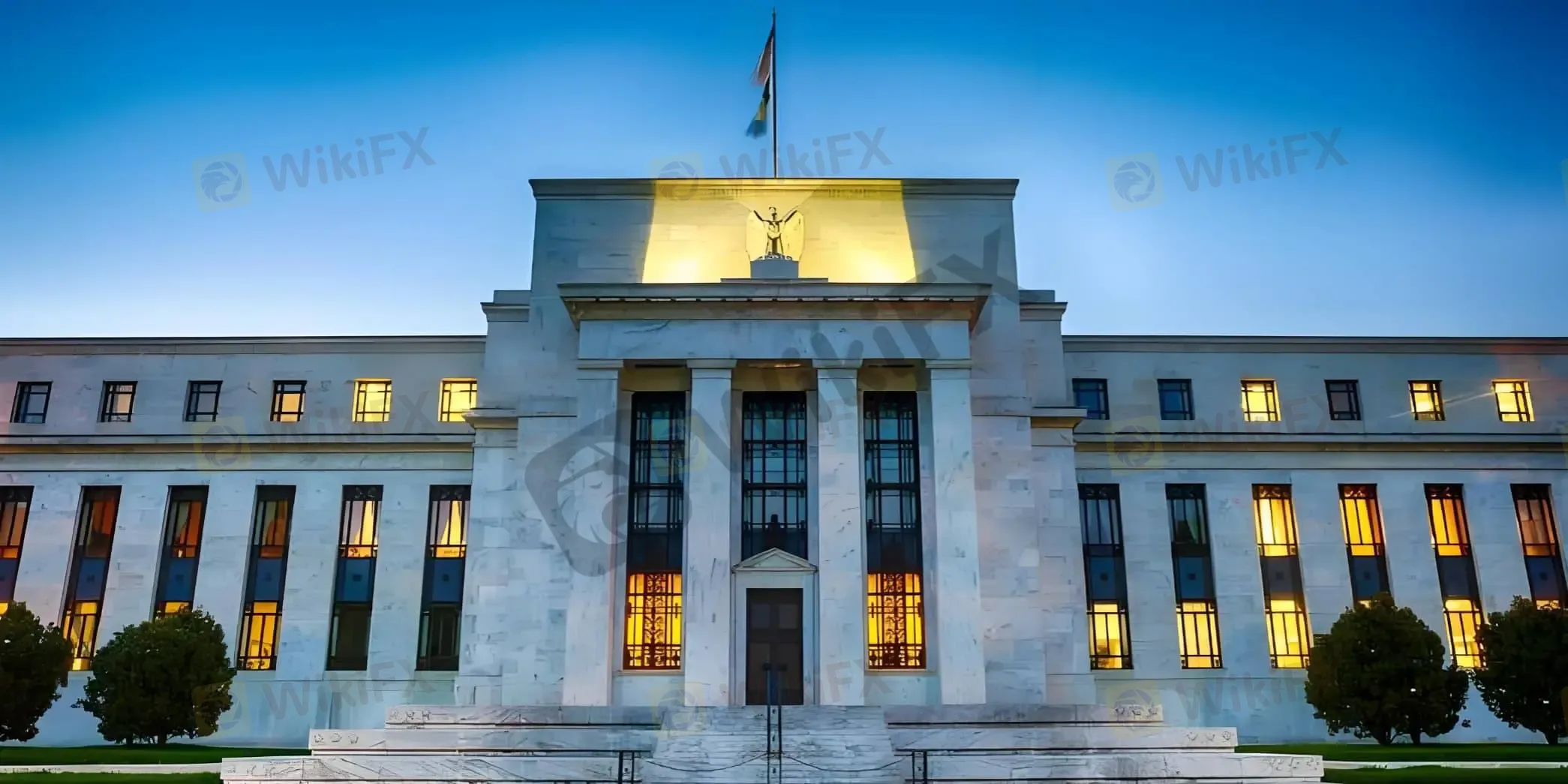
Recent discussions around the trajectory of US inflation and interest rates have once again been pushed to the forefront by energy factors. Mary Daly, President of the Federal Reserve Bank of San Francisco, noted that the underlying fundamentals of the economy remain solid, with growth still supported and the labor market gradually moving toward better balance. In this context, the current level of interest rates is already sufficiently restrictive to exert downward pressure on inflation without significantly harming employment, a balance that policymakers are relatively comfortable with at this stage.
However, the temporary escalation of tensions in the Middle East led to a sharp surge in oil prices over a short period, directly raising energy costs and beginning to feed through into the broader price system. Rising gasoline prices are only the most visible effect; more importantly, costs across transportation, agriculture, and manufacturing are being pushed higher simultaneously. These changes will ultimately be reflected on the consumer side, prolonging what had been a gradual disinflation process.
The key question now facing policymakers is whether this shock will prove to be persistent. If the conflict de-escalates quickly, energy supply normalizes, and oil prices gradually retreat, then the previous disinflation narrative would remain intact. Corporate cost pressures would ease, consumers would gradually adjust to the new price environment, and the overall economy could still maintain a moderate expansion. Under such circumstances, policy space would reopen, and discussions of rate cuts could return to the agenda.
That said, another scenario warrants equal attention. Even if the conflict itself cools, as long as transportation networks remain disrupted, elevated energy prices could persist for longer. This more subtle form of shock would increase inflation stickiness, making the disinflation process slower and more difficult. In such an environment, policymakers would find it challenging to pivot toward easing and would instead need to remain patient, waiting for clearer signals.
Based on current communication, further rate hikes are no longer the mainstream expectation. In contrast, keeping rates unchanged or gradually lowering them when conditions allow is more aligned with the current policy approach. The underlying logic is straightforward: on one hand, ensuring inflation ultimately returns to target, and on the other, avoiding unnecessary damage to the labor market. Striking a balance between these two objectives remains central to decision-making.
It is also worth noting that inflationary pressures are already being felt in everyday life. Rising energy prices are reshaping household spending patterns, with higher transportation costs leading to some pullback in consumption, while the agricultural sector is increasingly concerned about persistently rising input costs. Although these effects appear fragmented, their combined impact could weigh on overall demand and make the economic outlook more nuanced.
Looking ahead, if oil prices remain elevated for an extended period, the economy may face the dual pressures of rising prices and slowing growth, resembling a mild stagflationary environment and complicating policy decisions. The Federal Reserve will need to continuously balance inflation control with employment stability, narrowing its room for maneuver and making market expectations more volatile. From FXTRADINGs perspective, the key issue is not short-term data fluctuations, but whether the energy shock evolves into a persistent variable. If cost pressures remain entrenched, the pace of disinflation will be redefined, policy normalization will be delayed, and uncertainty in the global macro environment will increase further.
(For more insights into global macroeconomic trends and market developments, please follow FXTRADINGs official updates. This information is provided for reference only and does not constitute any form of investment advice.)
Disclaimer:
The views in this article only represent the author's personal views, and do not constitute investment advice on this platform. This platform does not guarantee the accuracy, completeness and timeliness of the information in the article, and will not be liable for any loss caused by the use of or reliance on the information in the article.
WikiFX Broker
Latest News
The Hidden Risks of Margin Calls and How to Trade Trends Safely
 WikiFX
T4Trade Review 2026: Official Warnings and Withdrawal Risks
WikiFXLONG ASIA Review 2026: Withdrawal Complaints and Unverified Regulation
WikiFXTotalFX Dangles 1:1000 Leverage and a $0 Minimum Deposit - But Is Its Regulation Strong?
WikiFXPay a 17% Tax First, Then You Can Withdraw" — How Nixse Allegedly Held One Trader's €25,000 Hostage
WikiFXHow to Read Market Reversals Through Price Action and Indicators
WikiFXA Single TikTok Ad Cost Him RM100,000
WikiFXLONG ASIA Review: Broker Complaints, Regulation Gaps, and Withdrawal Alarms
WikiFXHow Proprietary Trading and Artificial Volume Move Prices
WikiFXCrude Jumps Amid Structural FX Shifts
WikiFXCurrency Calculator
USD

CNY
Current Rate:0
Enter amount
USD
Redeemable Amount
CNY
Calculate 