


Global Broker Regulation Inquiry App
About WikiFX
English
简体中文
繁體中文
English
Pусский
日本語
ภาษาไทย
Tiếng Việt
Bahasa Indonesia
Español
हिन्दी
Filippiiniläinen
Français
Deutsch
Português
Türkçe
한국어
العربية
اردو

FXTRADING Financial Focus (Asia-Pacific 06/17)US-EU Trade Deal Clears EU Parliament
Abstract:The European Parliament on Tuesday approved the US-EU trade agreement, marking a significant breakthrough after months of negotiations. The deal passed with a clear majority, easing concerns over earl
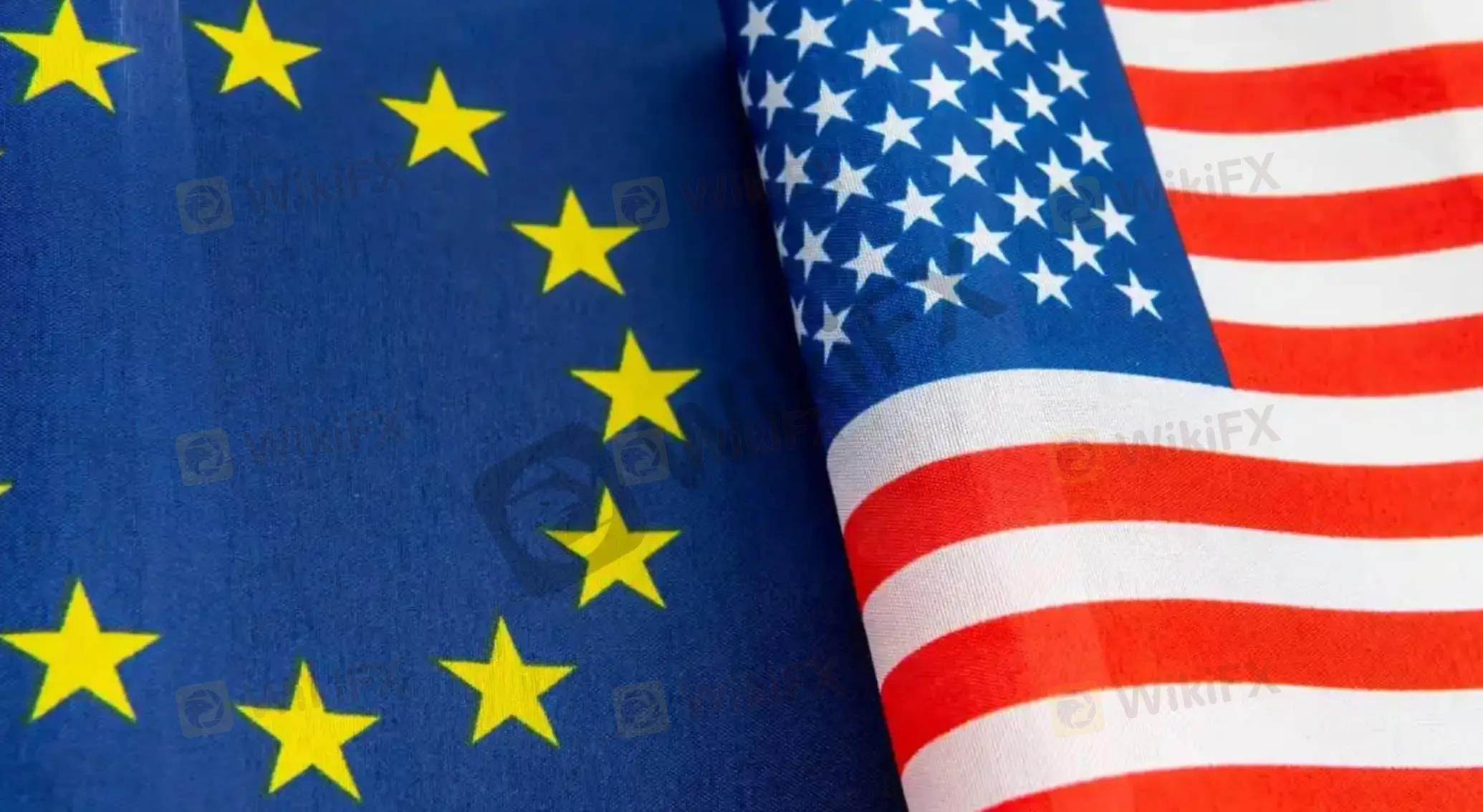
The European Parliament on Tuesday approved the US-EU trade agreement, marking a significant breakthrough after months of negotiations. The deal passed with a clear majority, easing concerns over earlier US threats to impose higher tariffs on European automobiles. However, the agreement has not yet fully entered into force and still requires formal approval from EU member states.
Under the agreement, the European Union will eliminate import tariffs on US industrial goods and selected agricultural products, further opening its market. The United States, however, has not agreed to remove all tariffs on European exports. Some European lawmakers argue that the agreement is not fully balanced in terms of rights and obligations, which was one of the main reasons behind the opposition votes during the parliamentary debate.
The agreement was originally reached between President Trump and European Commission President Ursula von der Leyen with the aim of establishing a relatively stable tariff framework. However, a subsequent ruling by the US Supreme Court on the legality of certain tariffs forced the US administration to modify its implementation approach. As a result, some European products are now facing effective tariff rates that are even higher than those initially envisioned under the agreement.
During the review process, the European Parliament postponed the vote several times. In addition to uncertainty surrounding US trade policy, ongoing political and commercial disagreements between the two sides continued to complicate negotiations. Some lawmakers expressed concerns that future policy changes in Washington could weaken the effectiveness of the agreement and therefore called for stronger safeguard mechanisms.
The most contentious issue remains steel, aluminum, and related derivative products. Although the agreement establishes a tariff framework for most goods, certain products continue to face elevated duties. EU officials have made it clear that if these additional tariffs remain in place over the long term, the bloc may reconsider some of the market-opening measures granted to the United States.
At the same time, disagreements between the US and the EU over digital regulation, labor standards, and industrial competition policies have not disappeared. The United States has already launched investigations into certain EU policies and could introduce new trade measures depending on the outcome. This suggests that even after the agreement's approval, new trade disputes could still emerge in the future.
From FXTRADINGs perspective, the approval of the agreement helps reduce the risk of further deterioration in US-EU trade relations and provides a more stable environment for business operations and cross-border investment. Nevertheless, the deal does not resolve all of the underlying issues. Steel tariffs, digital regulation, and potential future trade investigations remain key sources of risk. The progress of member-state ratification and future US policy decisions will ultimately determine whether US-EU trade relations can move onto a more stable long-term path.

Disclaimer:
The views in this article only represent the author's personal views, and do not constitute investment advice on this platform. This platform does not guarantee the accuracy, completeness and timeliness of the information in the article, and will not be liable for any loss caused by the use of or reliance on the information in the article.
WikiFX Broker
Latest News
Spotting Trend Reversals: How to Read Hammer and Engulfing Candlesticks
 WikiFX
Why Real Money Forex Trades Trigger Early Exits
WikiFXRM371,000 in Life Savings Lost After Trusting a Facebook Investment Ad
WikiFX$100 Million Fine, Deposit Delays and Customer Outrage: Is TIGER BROKERS Losing Traders' Trust?
WikiFXStockity Review 2026: Offshore Regulation, Complaints, and Withdrawal Risk Signals
WikiFXJapan raises interest rate to highest since 1995
WikiFXTrading the 24-Hour Currency Market on a 9-to-5 Schedule
WikiFXDollar Slips After Ceasefire Agreement
WikiFXForexDana Review 2026: Is This Forex Broker Safe?
WikiFXKraken Becomes FIFA World Cup 2026's Official Crypto Exchange | What It Means for Investors
WikiFXCurrency Calculator
USD

CNY
Current Rate:0
Enter amount
USD
Redeemable Amount
CNY
Calculate 