Abstract:PAMM is a system that allows investors to reap from the financial markets without having to proactively trade on themselves. Although this sounds efficient and convenient, there are two sides of a coin in every circumstance.
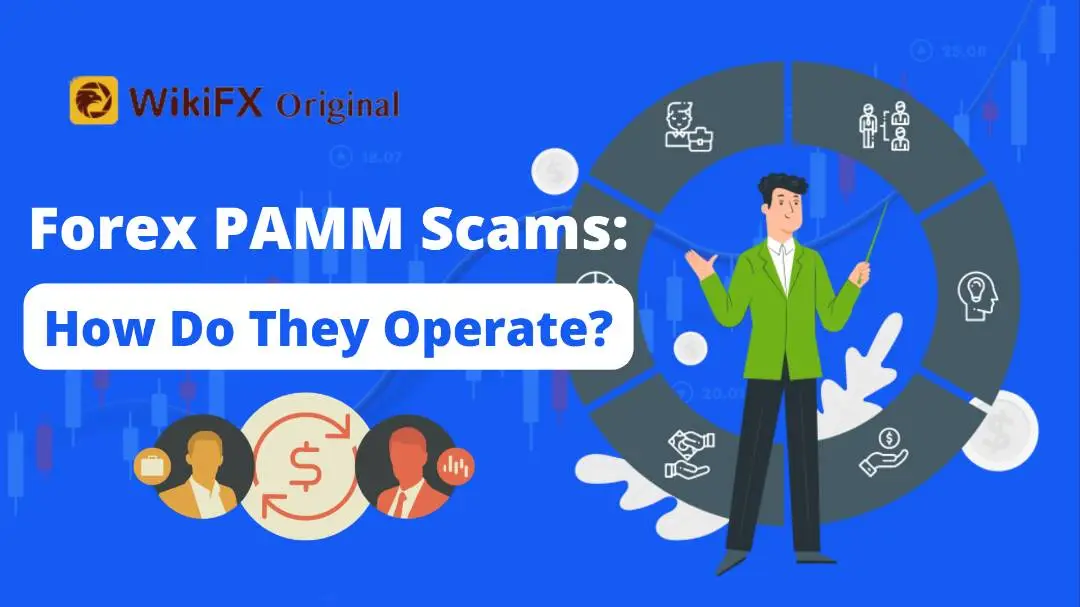
Traders and investors can use the Percent Allocation Management Module (PAMM) to collaborate on investments. The system enables investors to trade and profit on the financial markets without having to trade themselves or monitor market positions. To put it another way, traders manage their accounts and execute trades on their behalf. A portfolio manager is a title given to this category of trader. Portfolio managers can trade with larger funds and increase profits using this PAMM service.
One of the main benefits of a PAMM account is that the manager is also taking a risk with their own money. Therefore, they won't take any positions that would hurt you because doing so will also directly hurt them. They will be trading more cautiously and intensely because their funds are also a part of the trade. Since the manager cannot communicate directly with the account holders, there is also a low risk of fraud. Some accounts even allow you to divide your cash across multiple managers, which can dramatically reduce risk and boost the likelihood of successful investments.
Even though PAMM accounts have a lot of advantages, they also have a significant number of drawbacks. You essentially cede the management to all control of the decision-making process when you invest in a PAMM account. You, therefore, have no say in the strategy or technique used. Another significant drawback is that most brokers will not let you withdraw any money until the manager authorises it. Therefore, the only practical course of action if your account loses money is to watch it disappear.
In this scenario, the broker would claim that you may hire highly qualified forex traders to manage your trades and provide you with excellent returns. They'll demonstrate how your little account will be connected to a large account and how much profit you'll make depending on your investment level. It might also be difficult for you to decline the offer if they show you a profit of 30% to 50% on your investment. They will post some utterly false records on their website to support their claims. In actuality, the most monthly return you may expect from a PAMM account is between 2% and 5%.
Now that we know how a forex PAMM scam operates in detail, we need to learn how to recognise one to avoid it at all costs. Fortunately for us, identifying these scams is simple if we know what to look for. The following are the top indicators that a forex PAMM account is being used to defraud you:
(1) A scammer PAMM account manager would tell their clients lies and promise them unreachable amounts of profit. It is almost guaranteed that any statements made by a forex broker are untrue. This is because no reputable broker in the market can guarantee significant gains to any trader. Additionally, according to the currently available data, only 11–25% of new traders become professional investors in the forex market. Only a small portion of this 11–25 per cent actually begin to make a respectable living. Because of this, you must deal with marketers who make statements like this with the utmost caution. Since they are challenging to get rid of once you've been exposed to them, you should avoid them at all costs.
(2) A PAMM account manager that is a con artist will provide untrue guarantees that there is little to no chance of losing money when trading. This is incorrect because market risks are always present. After all, price movement is unpredictable, regardless of how skilled a manager is. Remember that it probably is if something looks too good to be true.
Legal foreign exchange brokers are required by law to have a regulating body regulate their operations. It could be either a public or a private licencing company. You may find information about the regulators on the broker's website, and you may confirm this information on the regulatory agency's website. The fact that the licence is still valid can be quickly ascertained since it is public information. Naturally, there is no regulation of the behaviour of companies that are included on a blacklist.
For example, Malaysias Securities Commission listed TriumphFX on its alert list warning people to stay away from this PAMM-offering company.

Read about this case here: https://www.wikifx.com/en/newsdetail/202212166604475334.html
Another way to conduct a thorough background research on the credibility of a PAMM-offering broker, is to use WikiFX to help you out! WikiFX is a global forex broker regulatory query platform that provides verified information of forex brokers throughout the globe.
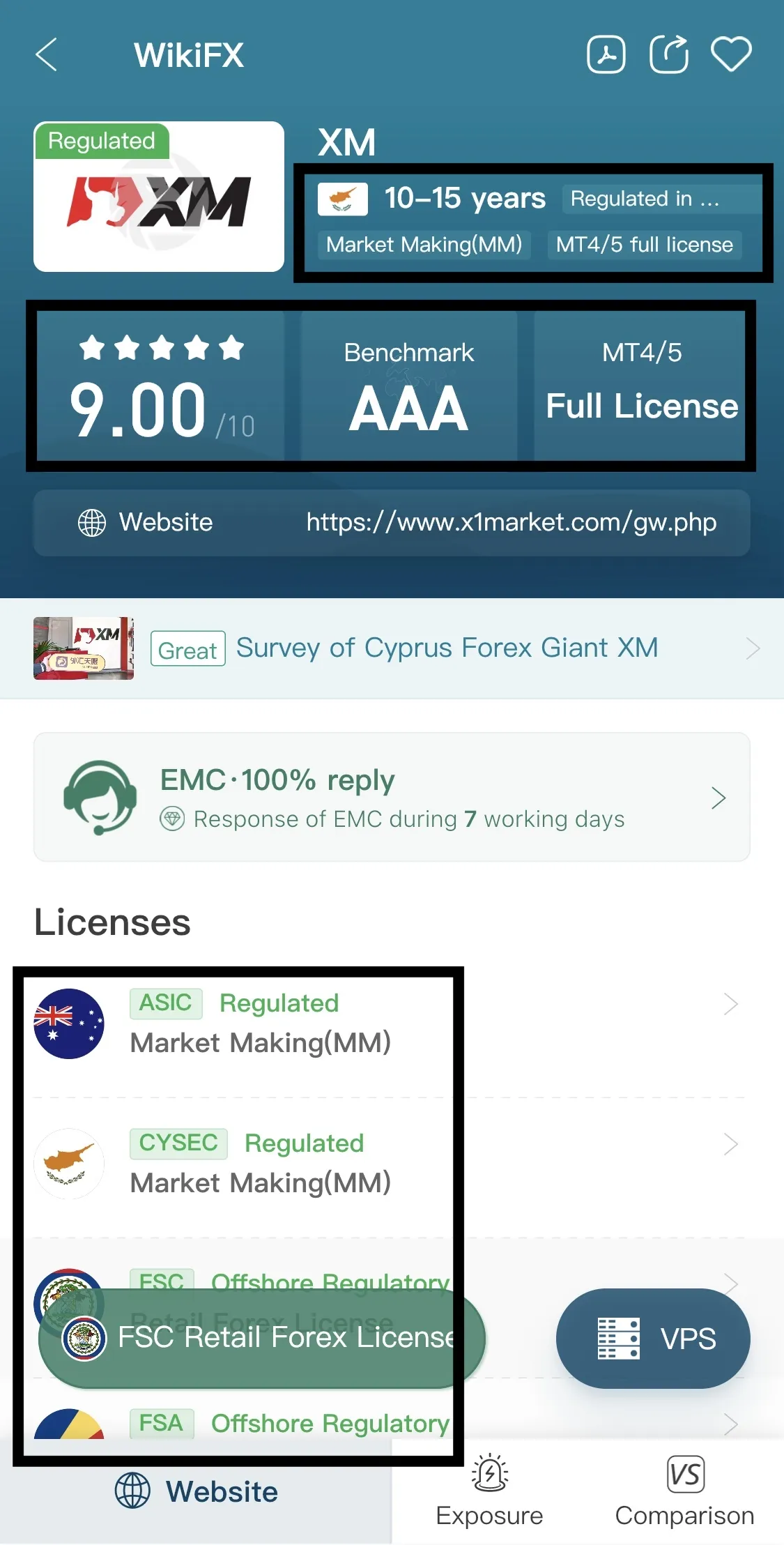
Download our free mobile app from Google Play/App Store now.

Also, stay tuned with WikiFX as we will continue to unveil the dark secrets of more forex brokers that are using PAMM services as scam tactics.