
Global Broker Regulation Inquiry App
About WikiFX


Trump Proposes New Tariffs on EU, China and 12 Other Economies

WikiFX
|


Abstract:Washington proposes a 15% tariff rate on EU goods, while China could face duties of up to 40% under the latest plan.
Washington proposes a 15% tariff rate on EU goods, while China could face duties of up to 40% under the latest plan
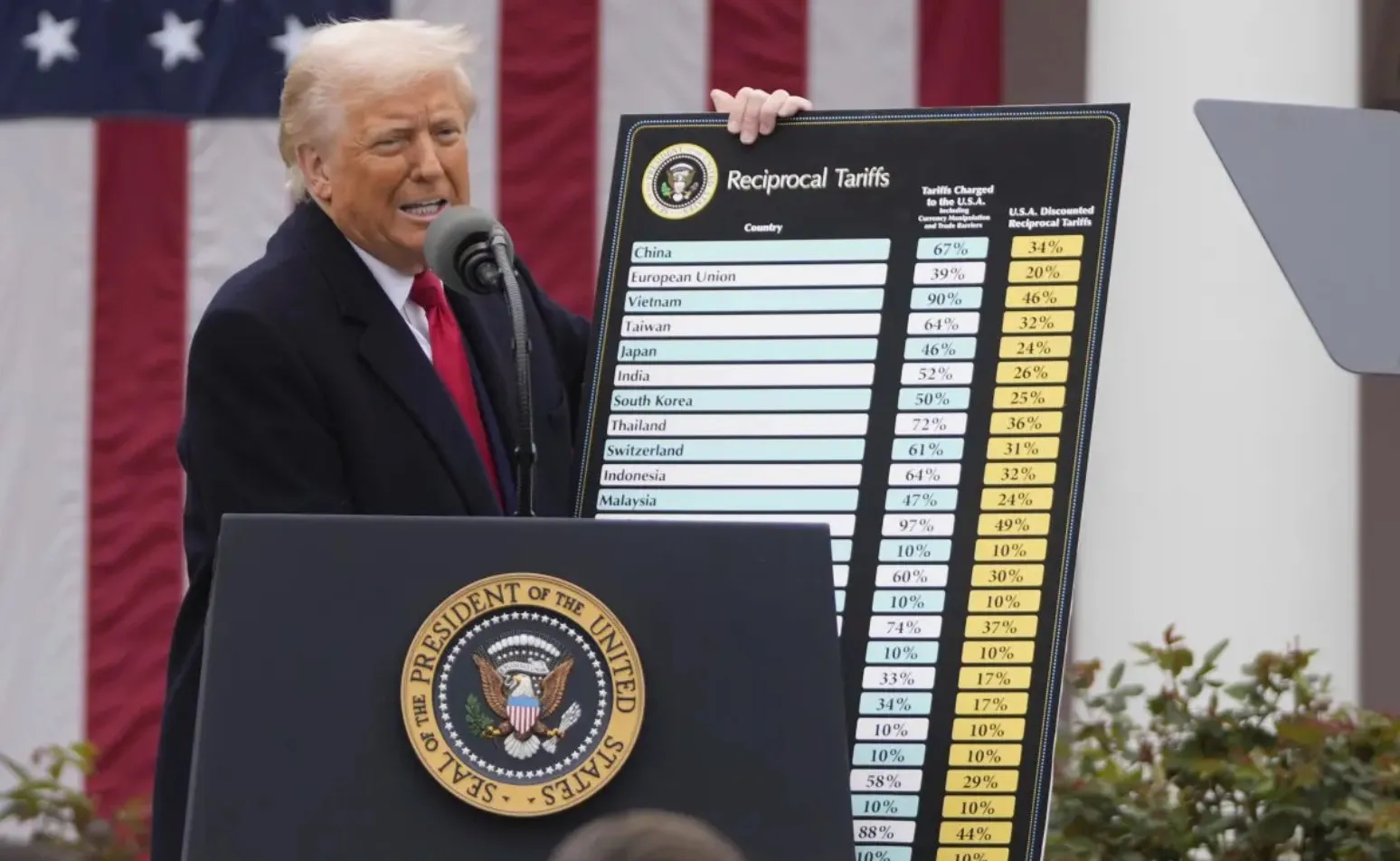
Donald Trump is proposing new tariffs on imports from the European Union and China as part of a broader trade action targeting 14 economies over what Washington describes as structural excess manufacturing capacity.
The Office of the United States Trade Representative (USTR) announced on Wednesday that it had completed investigations under Section 301 of the Trade Act of 1974, finding that industrial policies in the targeted economies were unreasonable and burdened or restricted US commerce. Japan, South Korea, India, Vietnam and Switzerland are among the other economies named.
EU faces a proposed 15% tariff rate
EU goods would face a proposed tariff rate of 15%, with most-favoured-nation duties and existing Section 301 tariffs taken into account. Certain products would be exempt.
The USTR has also proposed considering a rate of up to 20% if ongoing consultations or relevant commitments are deemed insufficient. The proposal takes account of existing duties and commitments under the EU-US trade framework.
Brussels rejected Washington‘s assessment of Europe’s role in global overcapacity. The European Commission said the EU was among the economies most exposed to excess production, rather than a source of it, and argued that much of the problem was driven by state-backed policies in third countries.
“The 15% all-inclusive tariff ceiling agreed under the EU-US trade framework must be respected,” the Commission said, urging Washington to honour its commitments as consultations continue. European trade ministers are due to meet US Trade Representative Jamieson Greer on 30 November, with steel and aluminium duties also expected to feature in discussions.
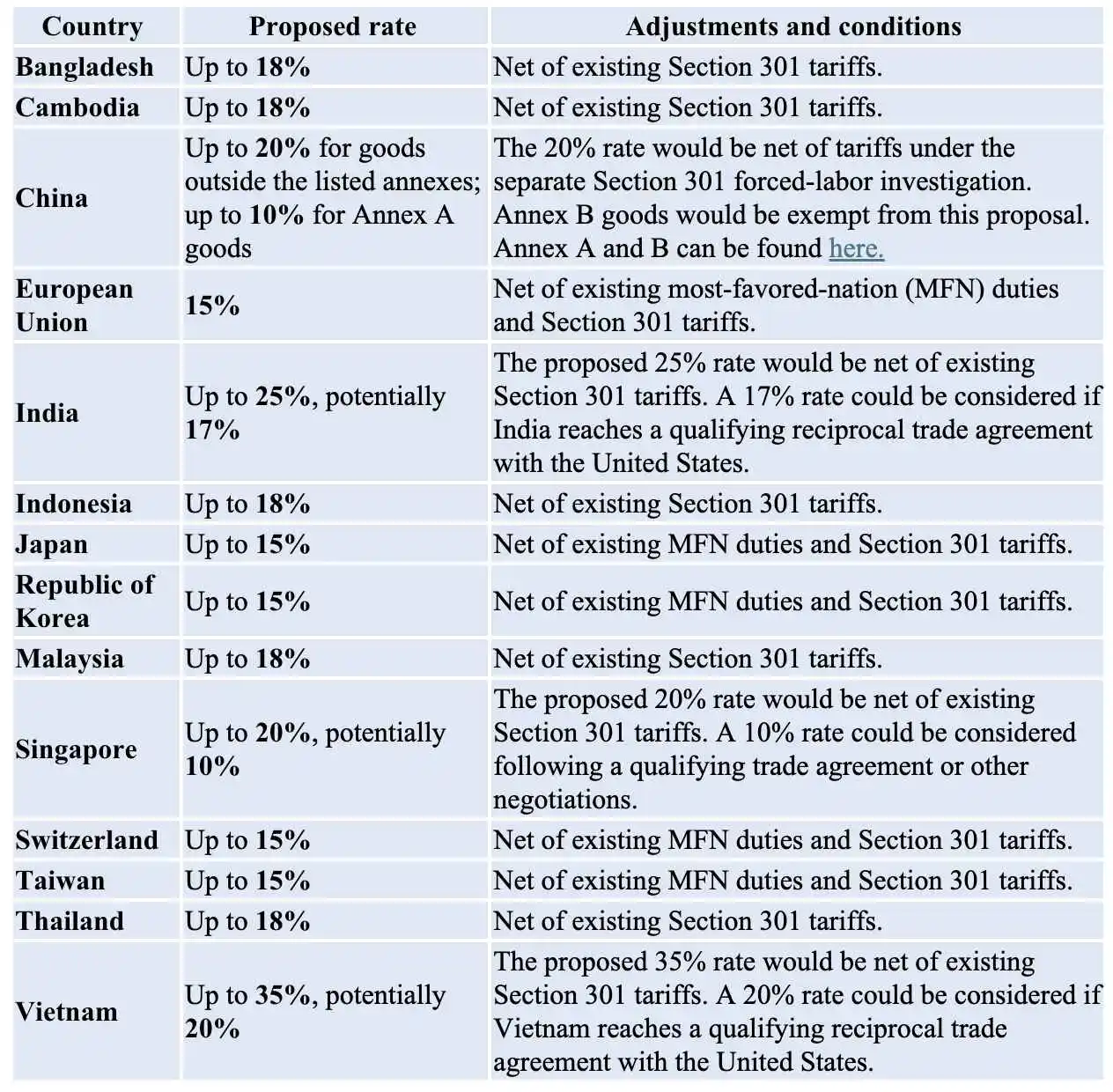
China could face duties of up to 40%
China is facing the highest tariff rate of up to 40%, followed by Vietnam at up to 35%, with others facing either 20% or 25%. The actual burden on Chinese imports would depend on existing duties and the status of the current US-China tariff arrangement.
The move comes as Washington and Beijing continue to manage a fragile trade truce. The proposed duties could add another layer of uncertainty for companies shipping goods between the worlds two largest economies.
Washington cites subsidies and excess production
USTR said the investigations examined policies that encourage production beyond market demand, including industrial subsidies, export incentives and state-backed financing.
The administration argues that these measures give foreign producers an unfair advantage, reducing opportunities for US manufacturers and contributing to losses in domestic production, jobs and investment. The investigations also examined whether economies were relying on export-led growth while domestic demand remained insufficient to absorb their output.
Brussels seeks to protect trade commitments
The Commission said it regretted the lack of joint action with Washington on global overcapacity and urged the US to honour the 15% all-inclusive tariff ceiling agreed under the EU-US trade framework.
European trade ministers are due to meet US Trade Representative Jamieson Greer on 30 November. The talks are expected to cover a range of trade issues, including additional US duties on steel and aluminium products.
The proposed tariffs have not yet taken effect. Interested parties have until 5 January 2027 to submit written comments, while public hearings are scheduled to begin on 25 January. USTR will consider submissions before determining the next steps.
Disclaimer:
The views in this article only represent the author's personal views, and do not constitute investment advice on this platform. This platform does not guarantee the accuracy, completeness and timeliness of the information in the article, and will not be liable for any loss caused by the use of or reliance on the information in the article.
WikiFX Broker
Latest News
US stocks fall further as fears over AI intensify
WikiFXUS Dollar Price Forecast: Dollar Steadies Before PCE, DXY Holds 103.80 as EUR/USD, GBP/USD Stall Below Pivots
WikiFXS&P/ASX 200 Steady as Nvidia Reinstates Huang and Markets Rally
WikiFXEURUSD | Daily Bearish Structure and Potential Reversal Zone
WikiFXNaira Slips to N1,445 in Parallel Market as Election Jitters and Festive Demand Widen Dollar Gap
WikiFXInteractive Brokers Review 2026: Are Funding Issues and Trading Restrictions Raising Concerns?
WikiFXGoldman Sachs Sees More Dollar Strength Before a Modest 2027 Pullback
WikiFXMT5's AI Upgrade Is a Trading Tool, Not a Broker Safety Check
WikiFXLMAX Group Review: FCA-Regulated, but Clone Websites and Withdrawal Complaints Demand Caution
WikiFXNigeria's Central Bank Holds Rate at 23% and Pledges Data-Driven Path to Lower Inflation
WikiFX