Global Broker Regulation Inquiry App
About WikiFX


Two Indiana Men Charged Over Alleged US$600 Million Forex Ponzi Scheme

WikiFX
|


Abstract:US prosecutors have charged Phillip Patrick Williams and Devin Allen Johnson over an alleged US$600 million forex Ponzi scheme at Backward Hat Capital, a case that highlights red flags for retail FX investors.

US federal agents have arrested two Indiana men accused of running a foreign exchange investment scheme that prosecutors say raised more than US$600 million from over 2,000 investors. According to a post by fraud investigator Barry Minkow on his One Minute On Fraud Substack, the US Attorney's Office for the Southern District of New York unsealed a criminal complaint charging Phillip Patrick Williams and Devin Allen Johnson with securities fraud and wire fraud.
The case centres on Backward Hat Capital, described in the post as an Indianapolis "forex fund" that told investors it was doubling their money every year. The charges are allegations, not convictions, and both men are presumed innocent unless and until proven guilty.
 Contents
What the Complaint Alleges
Prosecutors say Backward Hat claimed to trade currencies using a proprietary computer algorithm and reported returns that routinely topped 6 per cent a month, or more than 100 per cent a year. For context, that pace would double an investor's money roughly every twelve months. According to the government, the trading behind those figures was "largely illusory".
The complaint alleges that more than US$200 million of new investor money was used to pay earlier investors who wanted to withdraw, the mechanism that defines a Ponzi scheme (where returns to early participants are funded by later entrants rather than by real trading profits). Prosecutors further allege that hundreds of millions more went to insiders, including more than US$130 million to Williams and over US$40 million to Johnson.
The complaint also alleges the defendants misled investors about whether the fund's audits were truly independent. Williams, 51, of Kokomo, Indiana, was arrested in Kokomo, while Johnson, 29, of Zionsville, Indiana, was arrested in Gilbert, Arizona. Each faces up to 20 years in prison on the top counts.
Minkow writes that he and his whistleblower counsel filed a detailed investigative report on Backward Hat in July 2026, after which government lawyers asked him not to discuss the case publicly. He says he stayed silent for four months, arguing that a premature article can tip off a target, send money offshore or damage an active investigation before charges are filed.
The Red Flags in the Fund's Own Paperwork
Minkow says the warning signs were visible in the fund's public documents well before any charges. Its published trading page showed a total gain of over 1,200 per cent, an average gain of roughly 16 per cent a month and a worst-ever drop, or maximum drawdown, of about 1 per cent. He argues that no real trader in any market produces such large returns with virtually zero volatility, calling the record a fabricated spreadsheet rather than trading skill.
That track record was attributed to a broker called FxWinning, which Minkow says froze customer withdrawals on 3 February 2023, shut down completely on 22 June 2023 and was hit with a directed verdict of more than US$114 million in September 2024. Forty-nine days after the withdrawal freeze, he writes, Backward Hat issued a new offering document seeking up to US$10 million without naming the broker or mentioning the freeze, and attached a certificate of formation belonging to an entirely different fund.
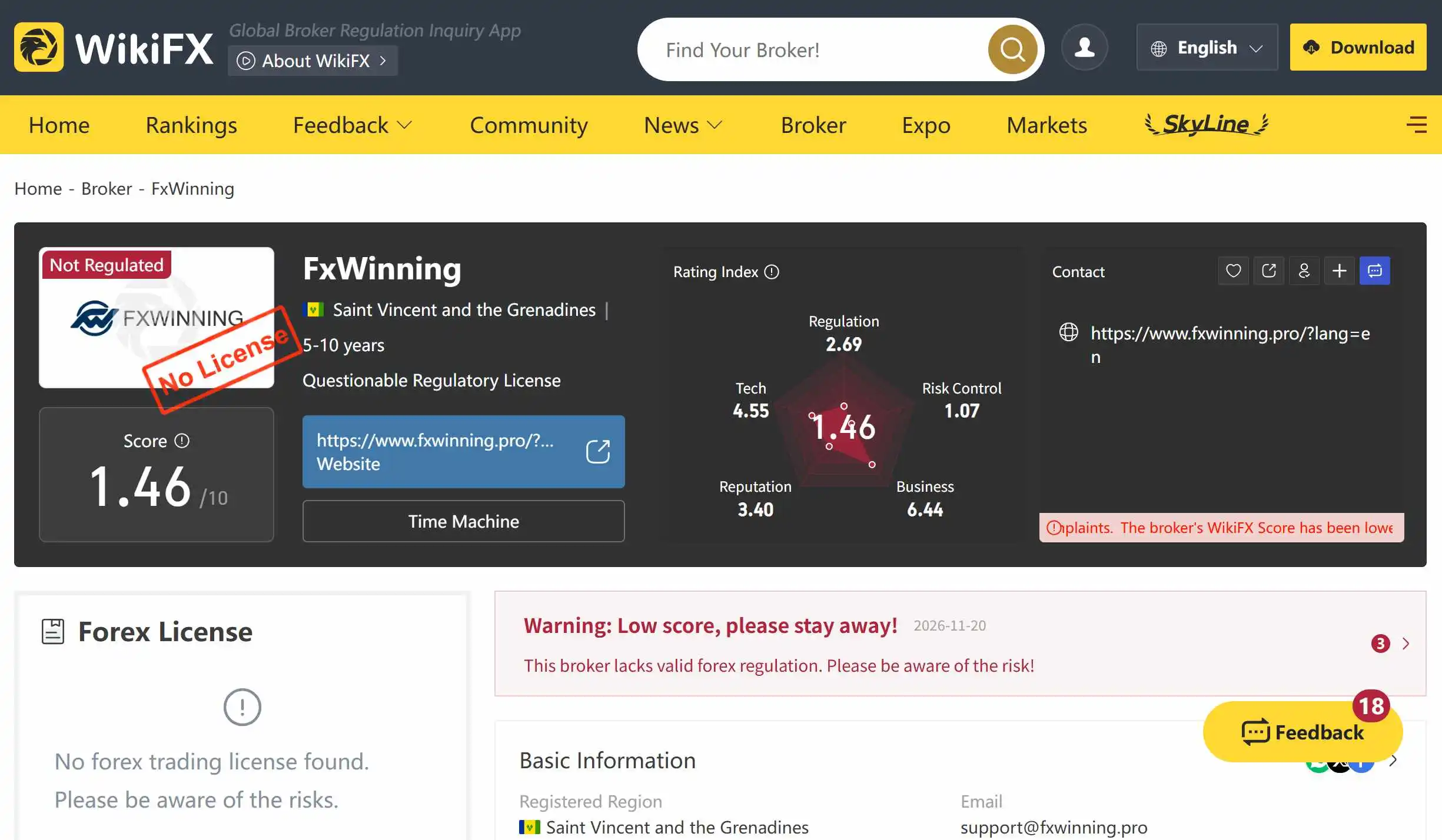
The offering paperwork also stated that investor dollars would be converted into bitcoin and sent "to our broker" without naming that broker, leaving investors and auditors with no identifiable counterparty to check. Minkow adds that the fine print barred investors from removing the manager "under any circumstance", waived their right to an audited balance sheet and required them to pay the fund's legal fees if they sued for securities fraud.
He cites one investor who wired US$85,000 in the summer of 2024, more than a year after FxWinning shut down. Statements showed monthly "gains" of 5.83 per cent and 6.90 per cent with no losing months, about 15.6 per cent in under three months, yet no document identified who was supposedly executing the trades.
In January 2024, while claiming to generate roughly 16 per cent a month, the founders took out high-interest, short-term merchant cash advances and pledged investor funds as collateral, according to the post. Within 90 days they defaulted on all of it, triggering three lawsuits across Connecticut, New York and Indiana, including an unpaid US$1 million promissory note. Minkow argues that a manager genuinely earning such returns would not borrow at punitive rates and default weeks later.
Why It Matters for Retail FX Investors
For beginners in the currency market, the alleged pitch follows a familiar pattern: a promised monthly return far above anything mainstream FX strategies produce, presented as the output of a secret algorithm. Minkow's account points to checks that would have surfaced problems, including whether the named broker actually exists and is regulated, whether audited financial statements are genuinely independent, and whether investors can withdraw money or replace the manager.
He also stresses the gap between reported profits and money actually available to investors, and says the withdrawal restrictions were something he would have wanted explained before investing.
Recovery Is a Separate Fight
Minkow notes that an arrest does not return money to victims. He says potential sources of recovery include real estate, luxury vehicles, bank accounts, cryptocurrency wallets and payments to early investors who received fictitious profits funded by other victims' principal, and that pursuing them would require asset tracing, civil litigation, court-appointed receivers, restitution proceedings and possibly clawback actions.
He also points to IRS Revenue Procedure 2009-20, as modified, as potentially offering qualifying victims a path to substantial theft-loss tax deductions, and says criminal convictions can strengthen later civil claims, including against third parties. None of these remedies is automatic, he adds.
Minkow credits an unnamed Backward Hat investor who came forward, cooperated and supplied documents that helped expose the operation despite the risk to his own financial interests. He directs affected investors to the FBI's official victim questionnaire at fbi.gov/backwardhatinvestors and advises them to keep account statements, emails, wire confirmations and subscription agreements.
Finally, WikiFX would like to remind everyone that before using any US stock, futures, or forex brokers, remember to check the platform's regulatory information, trading environment, field inspection reports, user reviews, and overall rating on the WikiFX App. This will help you effectively avoid problematic scam platforms and rogue brokers, safeguarding your capital.

Disclaimer:
The views in this article only represent the author's personal views, and do not constitute investment advice on this platform. This platform does not guarantee the accuracy, completeness and timeliness of the information in the article, and will not be liable for any loss caused by the use of or reliance on the information in the article.
WikiFX Broker
Latest News
iFX Brokers Review: What Traders Should Know Before Depositing
WikiFXRoboForex Review: Is Your Deposit Safe?
WikiFXThe Dollar Climbs Higher as Gold Breaks Below 3800
WikiFXRupee Breaks Past 93.60 as Nearly $10 Billion in Foreign Equity Inflows Return
WikiFXFour roles between your deposit and your forex price
WikiFXUpstox Review 2026: Traders Raise Concerns Over Customer Support and High Charges
WikiFXOndo Finance Joins MAS Project Guardian to Push Tokenised Markets Across Borders
WikiFXAUD and GBP Fall as Fed Rate Bets Shift, Bitcoin Tests $62K Amid Double-Hike Expectations
WikiFXWhat I Am Watching Today: DAX, EUR/USD, USD/CHF, and Copper
WikiFXEURUSD 4H | The 3,000-Pips ICT Liquidity Setup
WikiFX