Global Broker Regulation Inquiry App
About WikiFX



Will the US Midterm Elections Shake Up AI Stocks? It’s Not That Simple.

WikiFX
|


Abstract:Democrats’ victories in Congress and the Texas governor’s race have raised concerns over tighter AI regulation and potential restrictions on data centre construction. However, falling Treasury yields and continued investment in AI infrastructure have helped limit the immediate impact on technology stocks.
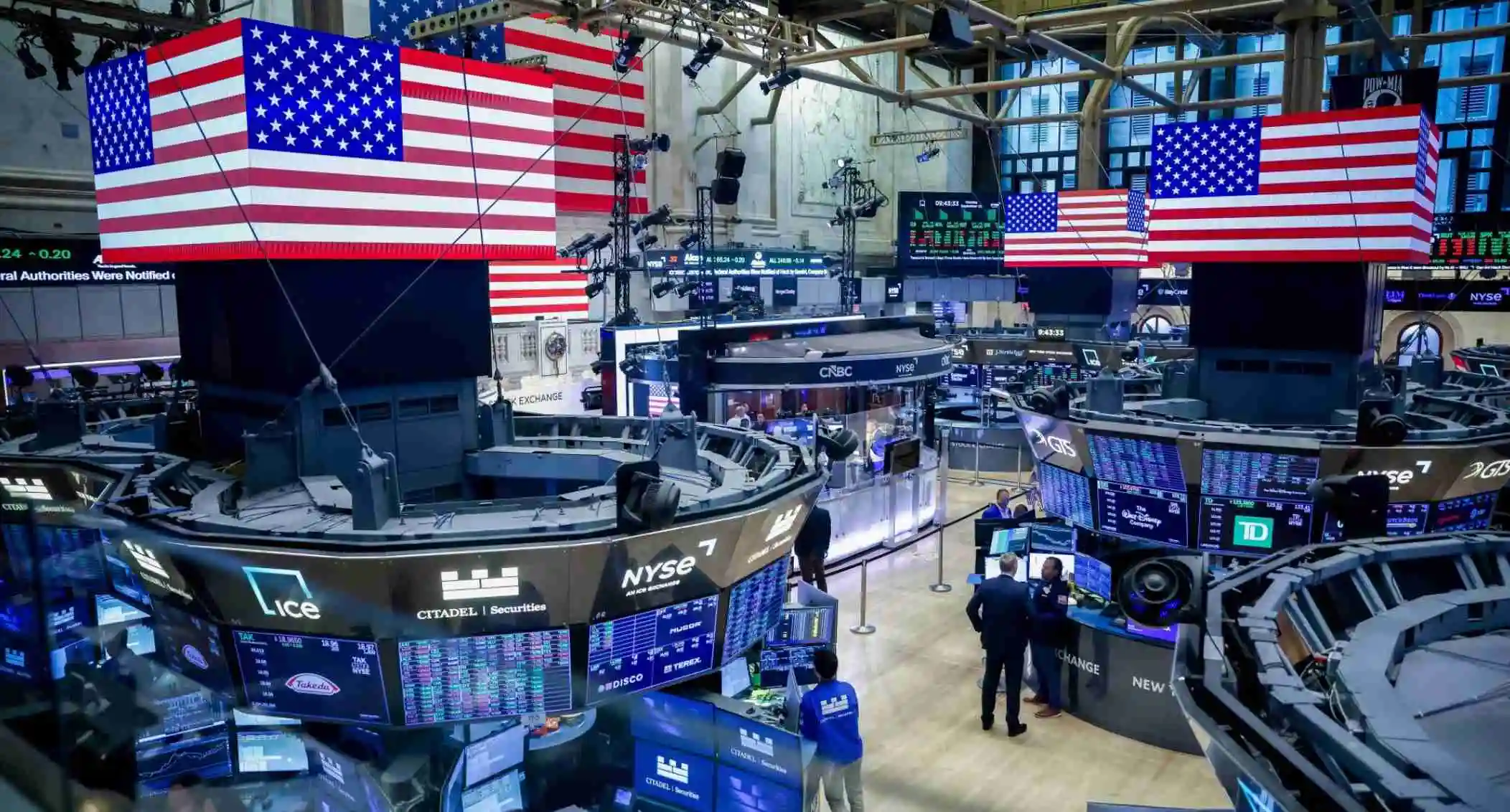
Democrats have taken control of both chambers of Congress and won the Texas governors race, dealing a blow to President Donald Trump and putting the future of the US AI industry under fresh scrutiny.
Deutsche Bank noted that the new Congress, which takes office in January, will be the first since the early years of Joe Bidens presidency to have Democrats controlling both the House and the Senate.
The shift could make it harder for Trump to push through his policy agenda. For the tech industry, the bigger concern is whether Democrats will seek tighter oversight of AI development and put new limits on data centre construction.
The political uncertainty comes at a time when investors are already questioning the huge sums being poured into AI infrastructure and whether the spending will pay off.
 Contents
AI Regulation Puts Tech Stocks Under Pressure
The shift in congressional control means major legislative proposals, particularly budget measures and efforts to raise the debt ceiling, may need support from some Democrats to pass.
Markets initially reacted with volatility. S&P 500 futures fell as much as 1% before recovering and turning positive, eventually gaining 0.22%.
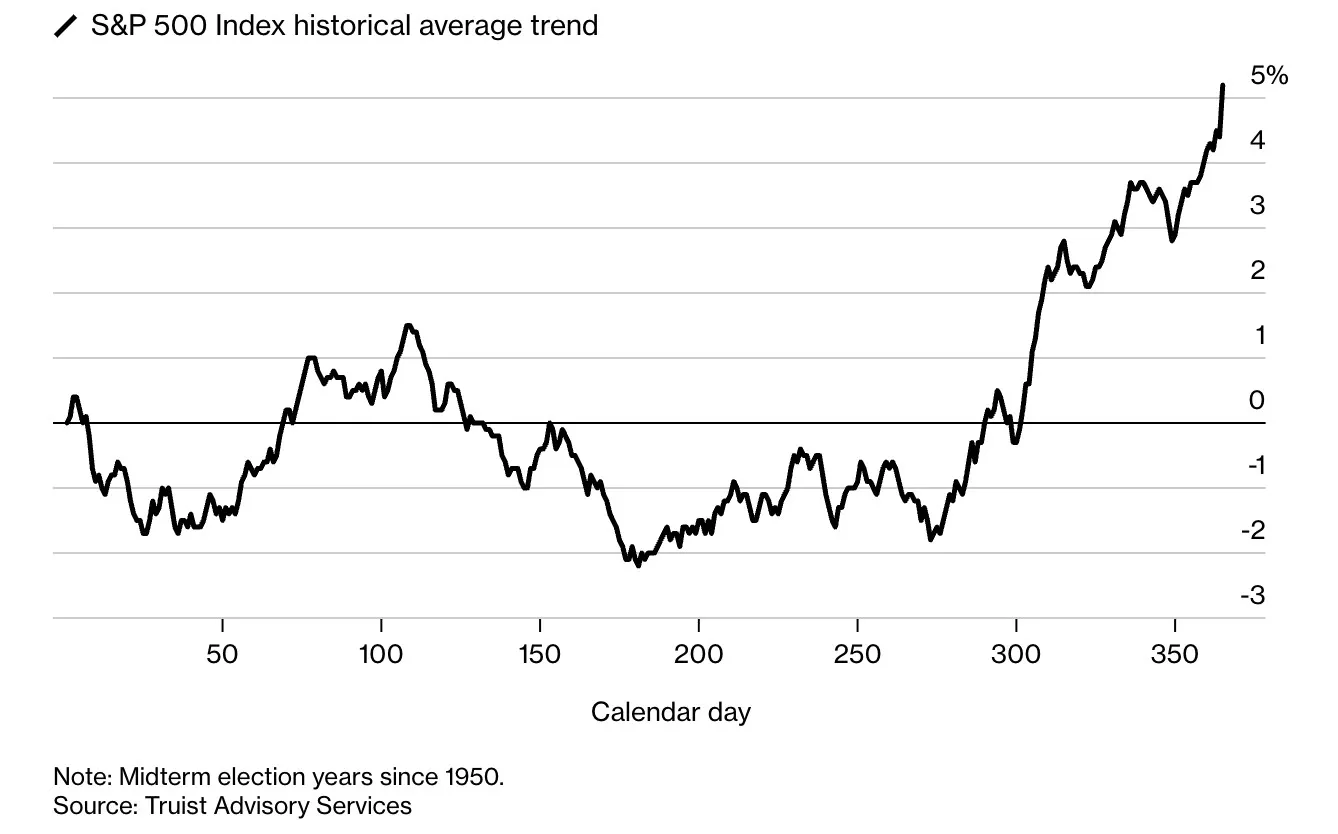
Beyond the immediate market reaction, investors are also assessing what the political shift could mean for the AI industry. Amazon, Microsoft and Alphabet are among the technology giants investing hundreds of billions of dollars in data centres and computing capacity. JPMorgan estimates that AI-related capital expenditure will reach $900 billion in 2026.
But the rapid expansion of data centres has faced growing resistance from local communities concerned about electricity and water consumption, rising utility bills and environmental impact. A Gallup poll conducted in May found that seven in 10 Americans opposed having a data centre built in their neighbourhood.
Democrats have been more receptive to these concerns, raising the prospect of tighter rules on energy consumption, data privacy and competition. Such measures could increase operating costs and delay approvals for new projects.
Texas Becomes a Key Test for the Industry
The election in Texas could prove particularly important for data centre developers.
Democrat Gina Hinojosa defeated Republican Greg Abbott in the governor's race. Abbott had been a strong supporter of the industry, with Texas accounting for nearly one-third of US data centre capacity already available or under development.
Hinojosa has called for greater scrutiny of new data centre projects, while local votes across the state have also produced support for measures restricting further construction.
The outcome does not necessarily mean that Texas will stop approving new facilities. Hinojosa's position has focused more on protecting residents and limiting the impact on household utility bills than on imposing a blanket ban.
UBS also expects state and local rules to have a more immediate effect on data centre development than broad federal restrictions, which could face resistance from both Congress and the White House.
Falling Bond Yields Help Cushion Technology Stocks
The election results initially unsettled US equity futures, but losses were quickly reversed. Nasdaq futures were up 0.25%, while South Korea's Kospi gained 0.6%.
In Europe, shares with exposure to AI infrastructure were weaker. French semiconductor equipment maker Soitec fell 4%, while Schneider Electric and Legrand declined 1.33% and 0.97%, respectively.
One factor helping to limit the broader market reaction was a fall in US Treasury yields. The 10-year yield dropped five basis points to 4.923%, as investors considered the possibility of greater political gridlock over government spending and the debt ceiling.
Lower yields tend to benefit growth stocks by reducing the pressure on valuations based on future earnings. That provided some support to technology shares even as concerns over AI regulation increased.
The scale of investment in the sector remains substantial. UBS expects AI capital expenditure to reach $1 trillion in 2026 and $1.4 trillion in 2027. But with technology companies already facing questions over the returns from their spending, any delays to data centre projects could add another challenge to an industry under growing scrutiny.
Disclaimer:
The views in this article only represent the author's personal views, and do not constitute investment advice on this platform. This platform does not guarantee the accuracy, completeness and timeliness of the information in the article, and will not be liable for any loss caused by the use of or reliance on the information in the article.
WikiFX Broker
Latest News
RBI Reopens Urban Cooperative Bank Licensing After 22 Years as New Audit Rules Take Shape
WikiFXWhat I Am Watching Today – NASDAQ 100, Platinum, EUR/CHF, and AUD/JPY
WikiFXU.S. Dollar Retreats As Democrats Win The U.S. House And Senate: Analysis For EUR/USD, GBP/USD, USD/CAD, USD/JPY
WikiFXEMAR MARKETS Review: Is Your Deposit Safe?
WikiFXIndia's Dollar Hedging Slumps as RBI Cracks Down on Forex Speculation
WikiFXTrump’s Midterm Election Setback: 3 Major Economic Shifts That Could Impact India & the US
WikiFXYen Pinned Near ¥157.90 as Traders Wait on BoJ and a Possible December Hike
WikiFXDeGRAM | GBPJPY — Bulls Face a Major Resistance
WikiFXIndia's Enforcement Directorate Searches 10 Premises in ₹120 Crore Kalpana Financial Services Probe
WikiFXEUR/USD – H4 – Falling Wedge Breakout Pattern
WikiFX