

Global Broker Regulation Inquiry App
About WikiFX
English
简体中文
繁體中文
English
Pусский
日本語
ภาษาไทย
Tiếng Việt
Bahasa Indonesia
Español
हिन्दी
Filippiiniläinen
Français
Deutsch
Português
Türkçe
한국어
العربية
اردو


FXTRADING Economic Data Summary (Asia-Pacific | 07/16)


Abstract:Bank of Canada Holds Interest Rates SteadyThe Bank of Canada left its overnight rate unchanged at 2.25%, marking the sixth consecutive meeting without a policy change. While geopolitical tensions in t
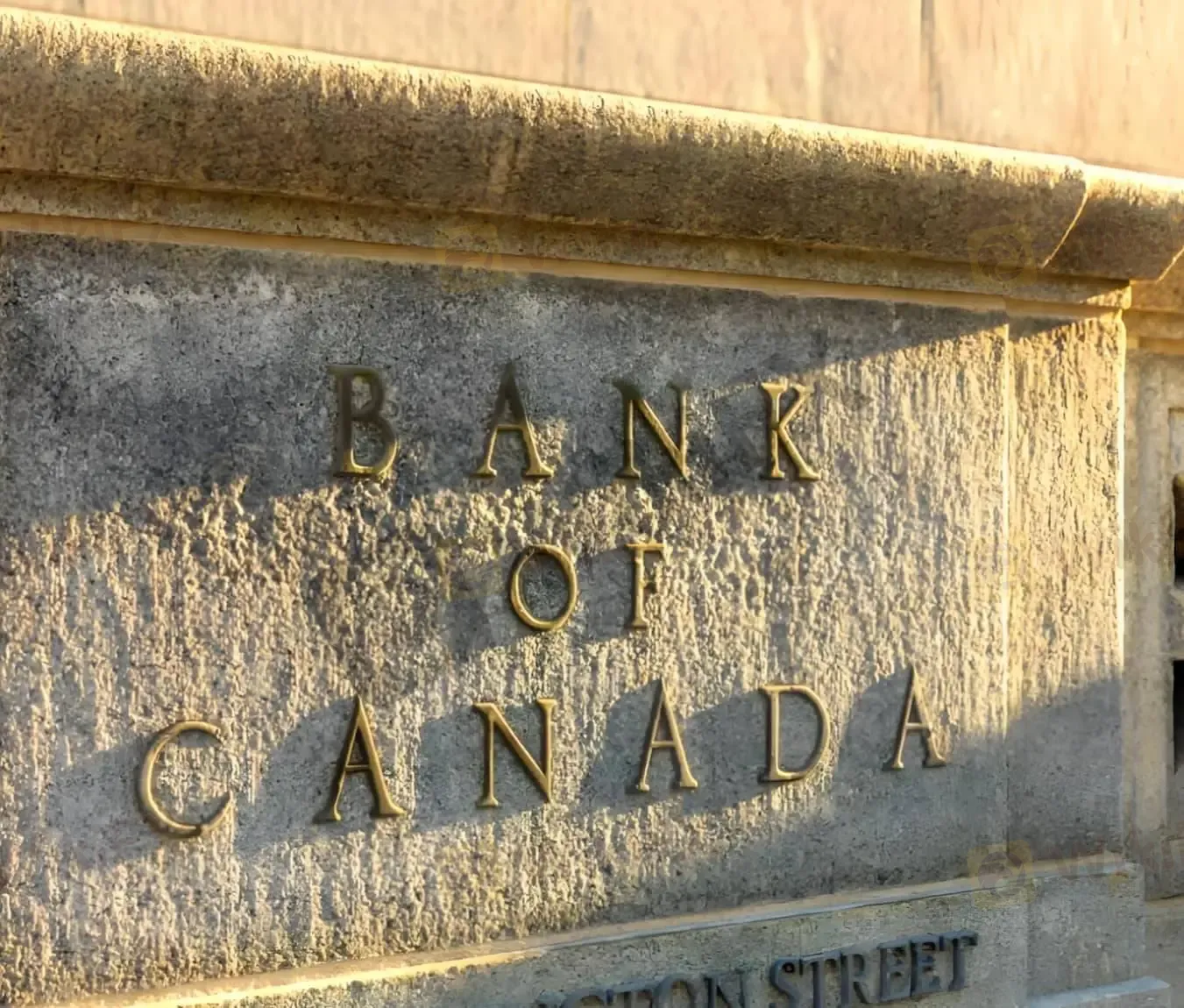
Bank of Canada Holds Interest Rates Steady
The Bank of Canada left its overnight rate unchanged at 2.25%, marking the sixth consecutive meeting without a policy change. While geopolitical tensions in the Middle East, international oil prices, and U.S. trade policy continue to be viewed as key risks, the central bank delivered a more optimistic assessment of the domestic economy than before. Financial conditions have improved in recent months, economic activity rebounded notably in the second quarter, consumer spending remained resilient, the housing market stabilized, exports recovered, and business investment gradually strengthened, with the energy sector continuing to provide solid support.
The latest projections show that Canada's annualized GDP growth is expected to reach 2.5% in the second quarter, higher than previously forecast. However, full-year economic growth for 2026 is still projected at only 0.7%, before accelerating to 1.8% in both 2027 and 2028. This suggests that the Bank considers the current interest rate level sufficiently restrictive to contain inflation while continuing to monitor the risk that rising energy prices could generate renewed inflationary pressure. FXTRADING believes: Improving economic conditions have reduced the need for either further easing or additional tightening in the near term. The Bank of Canada is therefore likely to remain on hold, with future policy decisions continuing to depend on inflation trends and the pace of the economic recovery.

Eurozone Manufacturing Recovery Remains Fragile
Eurozone industrial production fell 0.2% month-on-month in May, reversing April's 0.3% increase and falling well short of market expectations for a 0.3% gain. Industrial production across the European Union also declined by 0.1% over the month. The data indicate that the manufacturing sector still lacks sustained recovery momentum, with significant divergence across industries and an overall recovery that remains on an unstable footing.
By sector, energy output increased 2.2%, capital goods rose 0.3%, and non-durable consumer goods advanced 0.8%, while intermediate goods declined 0.3% and durable consumer goods fell 1.1%, offsetting part of the gains. Performance also varied widely among member states, with industrial production falling 5.2% in Ireland and declining in both Malta and Lithuania, while Luxembourg, Hungary, and Poland recorded growth.FXTRADING believes: Eurozone manufacturing sector remains in a gradual recovery phase, and industrial production is likely to continue fluctuating until demand recovers more broadly.
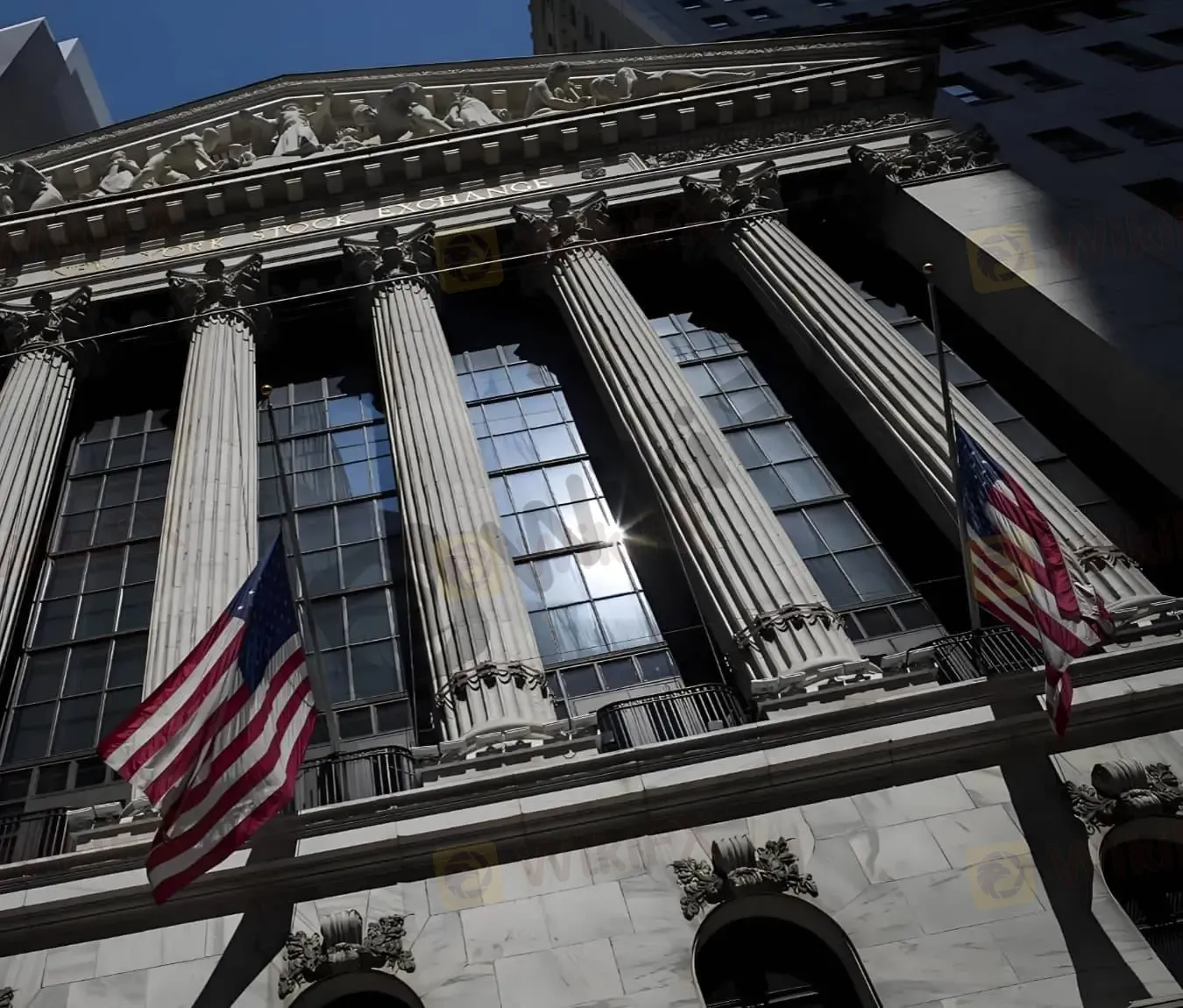
Fed Chair Warsh Reaffirms Commitment to Fighting Inflation
Federal Reserve Chair Kevin Warsh reiterated during his semiannual congressional testimony that restoring price stability remains the Fed's top priority. However, after June CPI eased to 3.5% year-on-year and core CPI slowed to 2.6%, both significantly below market expectations, he refrained from providing any guidance on the next interest rate move or responding to speculation about another rate hike, signaling that the Federal Reserve is not in a hurry to offer new policy guidance.
Warsh stated that short-term price fluctuations are unavoidable, but long-term inflation is still largely determined by monetary policy. He also continued to criticize the average inflation targeting framework and stressed the importance of maintaining policy credibility and advancing institutional reforms. In addition, he noted that investment in artificial intelligence is becoming an important driver of U.S. economic growth.FXTRADING believes: With inflation cooling more noticeably, the Fed has greater flexibility to observe economic developments and energy price movements, allowing monetary policy to remain highly flexible going forward.

Australian Business Confidence Continues to Improve
Australia's NAB Business Confidence Index rebounded sharply by 9 points to -5 in June, largely recovering its previous losses, while the Business Conditions Index remained at +3, indicating improving business sentiment and a generally stable economy. As energy markets stabilized and geopolitical risks eased, businesses became noticeably less concerned about the outlook, although overall confidence remains below its long-term average.
Inflation indicators continued to improve. Quarterly growth in purchase costs slowed from 2.5% to 2.0%, final product price growth eased from 0.9% to 0.6%, and retail prices fell 0.3%, marking the first quarterly decline in nearly seven years. FXTRADING believes: Improving business confidence alongside easing inflation provides support for stable economic growth in Australia, although rising labor costs will remain an important factor for the Reserve Bank of Australia to monitor closely.
(For more insights into global macroeconomic trends and market developments, please follow FXTRADINGs official updates. This information is provided for reference only and does not constitute any form of investment advice.)
Disclaimer:
The views in this article only represent the author's personal views, and do not constitute investment advice on this platform. This platform does not guarantee the accuracy, completeness and timeliness of the information in the article, and will not be liable for any loss caused by the use of or reliance on the information in the article.
WikiFX Broker
Latest News
EURUSD | Demand Zone Holding, Bulls Eyeing Higher Resistance
 WikiFX
EUR/USD: Bearish Structure Shift
WikiFXKudotrade Review 2026: Reported Slippage & Trade Execution Issues You Should Know
WikiFXIG Faces Hundreds Of Job Cuts In Global Restructure
WikiFXMalaysia To Host Asia Fintech Regulatory Summit
WikiFXSEC Alleges $16 Million Ponzi Scheme Targeted 200 Investors
WikiFXFxPro Opens Five CFDs To Weekend Trading
WikiFXValutrades Rejects Exit Rumors Amid Client Review
WikiFXFX Trading Share Falls Sharply Across Retail CFD Market
WikiFXWeekend CFD Trading Moves Beyond Gold as Brokers Add Oil, Silver and Indices
WikiFX