


Global Broker Regulation Inquiry App
About WikiFX
English
简体中文
繁體中文
English
Pусский
日本語
ภาษาไทย
Tiếng Việt
Bahasa Indonesia
Español
हिन्दी
Filippiiniläinen
Français
Deutsch
Português
Türkçe
한국어
العربية
اردو
U.S.-Iran Ceasefire Memorandum Reached: A New Phase of De-escalation
Abstract: /[Chart 1: U.S.-Iran Ceasefire Agreement Overview]After four months of conflict and extensive negotiations, the United States and Iran have reached a ceasefire Memorandum of Understanding (MOU), sign
After four months of conflict and extensive negotiations, the United States and Iran have reached a ceasefire Memorandum of Understanding (MOU), signaling a potential easing of tensions in the Middle East.
On June 14, President Donald Trump announced that the agreement had been finalized, authorizing the reopening of the Strait of Hormuz and lifting the U.S. naval blockade. Iran's Supreme National Security Council confirmed the deal shortly afterward. A formal signing ceremony is scheduled for June 19 in Switzerland.
Under the agreement, both sides will immediately halt military operations across all fronts, including Lebanon. The United States will remove maritime restrictions, while Iran will gradually restore commercial shipping through the Strait of Hormuz.
The nuclear issue has been deferred to a second phase of negotiations. Iran has agreed to dilute part of its highly enriched uranium stockpile, while the U.S. plans to unfreeze approximately $25 billion in Iranian assets and begin suspending selected sanctions.
Key Terms of the Agreement
Ceasefire and Strait Reopening: Iran aims to restore shipping volumes to pre-conflict levels within one month, while the U.S. assists with maritime security and mine-clearing efforts.
Sanctions Relief: The U.S. will begin releasing frozen assets and easing certain sanctions, supporting a potential recovery in Iranian oil exports.
Nuclear Talks Postponed: Nuclear negotiations will begin after both sides fulfill initial commitments.
Regional Mediation: Pakistan and Qatar played important roles in facilitating the agreement.
Market Response
Markets quickly priced in the reduced geopolitical risk.
S&P 500 futures rose about 1%, while WTI crude oil fell toward $81 per barrel. Analysts believe that a sustained reopening of the Strait of Hormuz could place further downward pressure on oil prices, potentially reshaping inflation and interest-rate expectations worldwide.
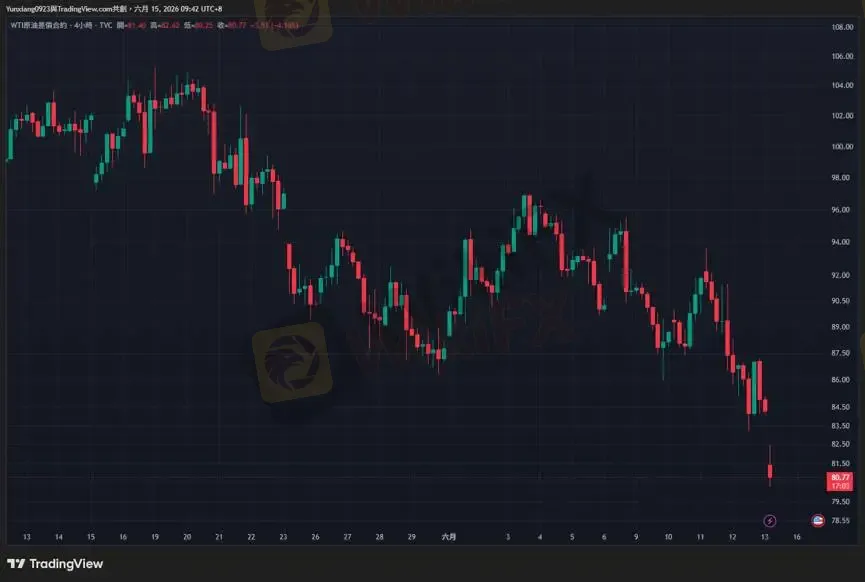
[Chart 2: U.S. WTI Crude Oil Price Trend]Challenges Ahead
Despite the breakthrough, several risks remain. Technical implementation details, future nuclear negotiations, potential unilateral actions by Israel, and the restoration of confidence among shipping and insurance companies will all influence the agreement's success.
Bloomberg Economics analyst Becca Wasser noted that phased agreements can remain vulnerable to setbacks. Prediction markets currently estimate only a 43% chance that shipping traffic through the Strait of Hormuz will fully normalize by July 15.
Outlook
The ceasefire memorandum marks an important step toward regional stability and improved global energy security. In the short term, lower oil prices and stronger risk appetite may support global markets. However, lasting stability will depend on successful implementation of the agreement and meaningful progress in future nuclear negotiations.
While the outlook has improved, execution risks remain significant.
Disclaimer:
The views in this article only represent the author's personal views, and do not constitute investment advice on this platform. This platform does not guarantee the accuracy, completeness and timeliness of the information in the article, and will not be liable for any loss caused by the use of or reliance on the information in the article.
WikiFX Broker
Latest News
The Moving Average Trap: How to Read Price Action for Earlier Forex Entries
 WikiFX
Why Real Money Forex Trades Trigger Early Exits
WikiFXRM371,000 in Life Savings Lost After Trusting a Facebook Investment Ad
WikiFXWhy Minute-by-Minute Forex Scalping Often Breaks Beginner Accounts
WikiFXBreaking the Illusion: Why the Forex Market is Not Targeting Your Capital
WikiFXReview 2026: Trade Nation Regulation, Platform Access, and Complaint Signals
WikiFXAssexmarkets Review 2026: Severe Complaints, Unregulated Status, and Login Risks
WikiFXWTI Crude Sinks as Strait of Hormuz Reopens
WikiFXCrude Oil Sinks On Iran Deal
WikiFXFBS Review: Regulated Broker or High-Risk Forex Trap?
WikiFXCurrency Calculator
USD

CNY
Current Rate:0
Enter amount
USD
Redeemable Amount
CNY
Calculate 