Abstract:In the world of online trading, trust is the currency that matters most. However, recent data aggregation by WikiFX has signaled a "level red" alert regarding Tradeview Markets. Between July and November 2025, our support center was flooded with complaints alleging that the broker unilaterally wiped out account balances under the guise of "negative balance reversal," while simultaneously employing "account deletion" tactics in Asian markets. This report investigates the alarming patterns behind these complaints and analyzes why existing regulations failed to protect these traders.
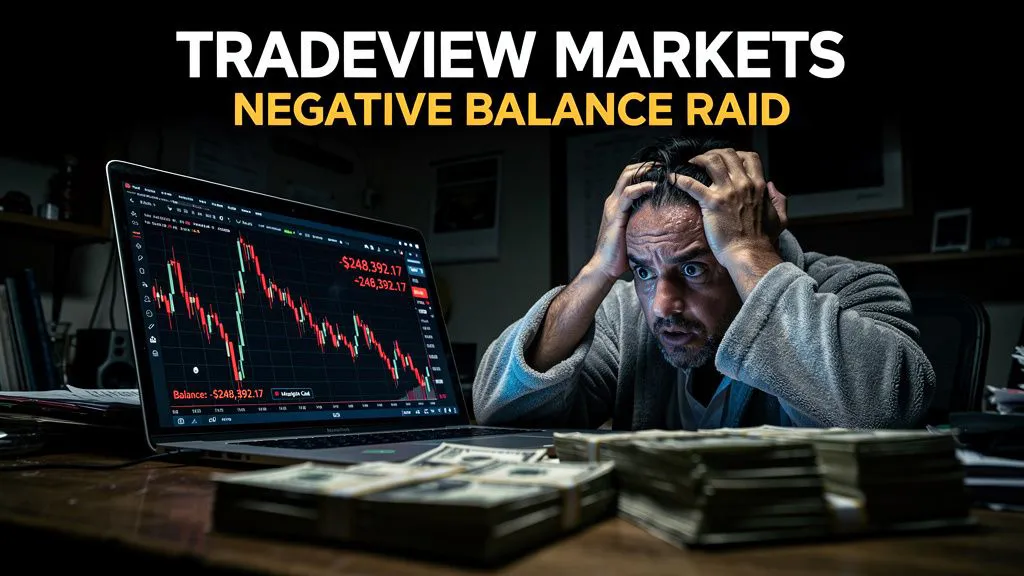
Is your capital safe with Tradeview Markets? A surge of disturbing reports from July to November 2025 suggests a systematic removal of client funds, alleged forced agreements, and distinct “kill switch” tactics deployed across different regions.
Abstract
In the world of online trading, trust is the currency that matters most. However, recent data aggregation by WikiFX has signaled a “level red” alert regarding Tradeview Markets. Between July and November 2025, our support center was flooded with complaints alleging that the broker unilaterally wiped out account balances under the guise of “negative balance reversal,” while simultaneously employing “account deletion” tactics in Asian markets. This report investigates the alarming patterns behind these complaints and analyzes why existing regulations failed to protect these traders.
Disclaimer: All cases detailed in this report are based on real user complaints and regulatory records lodged with WikiFX. To protect the privacy of the victims, their names have been anonymized.
Part 1: The “July Purge” – A Coordinated Capital Raid
While sporadic slippage is a common grievance in forex, what occurred in late July 2025 appears to be a coordinated event affecting specifically targeted high-net-worth accounts.
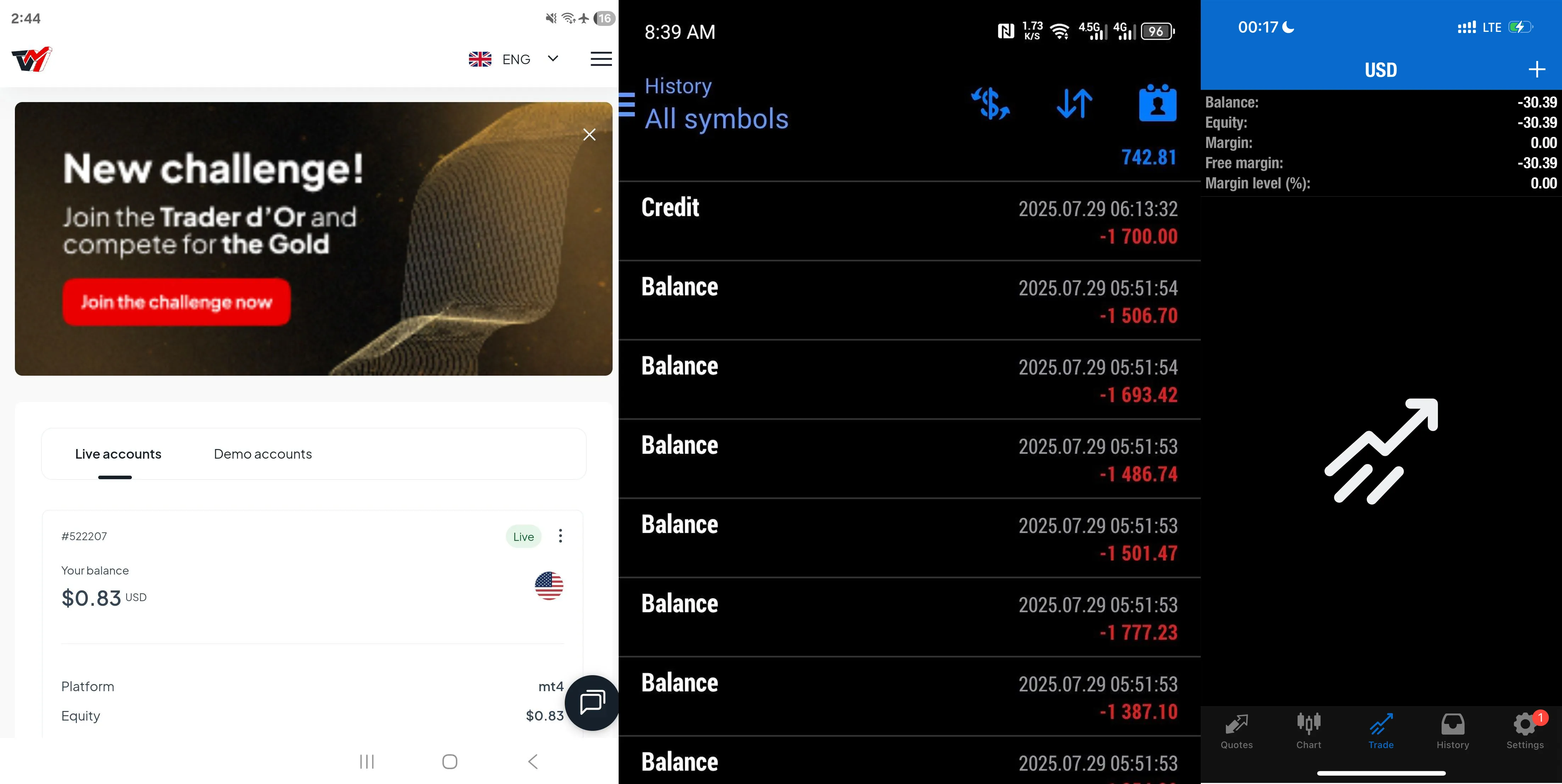
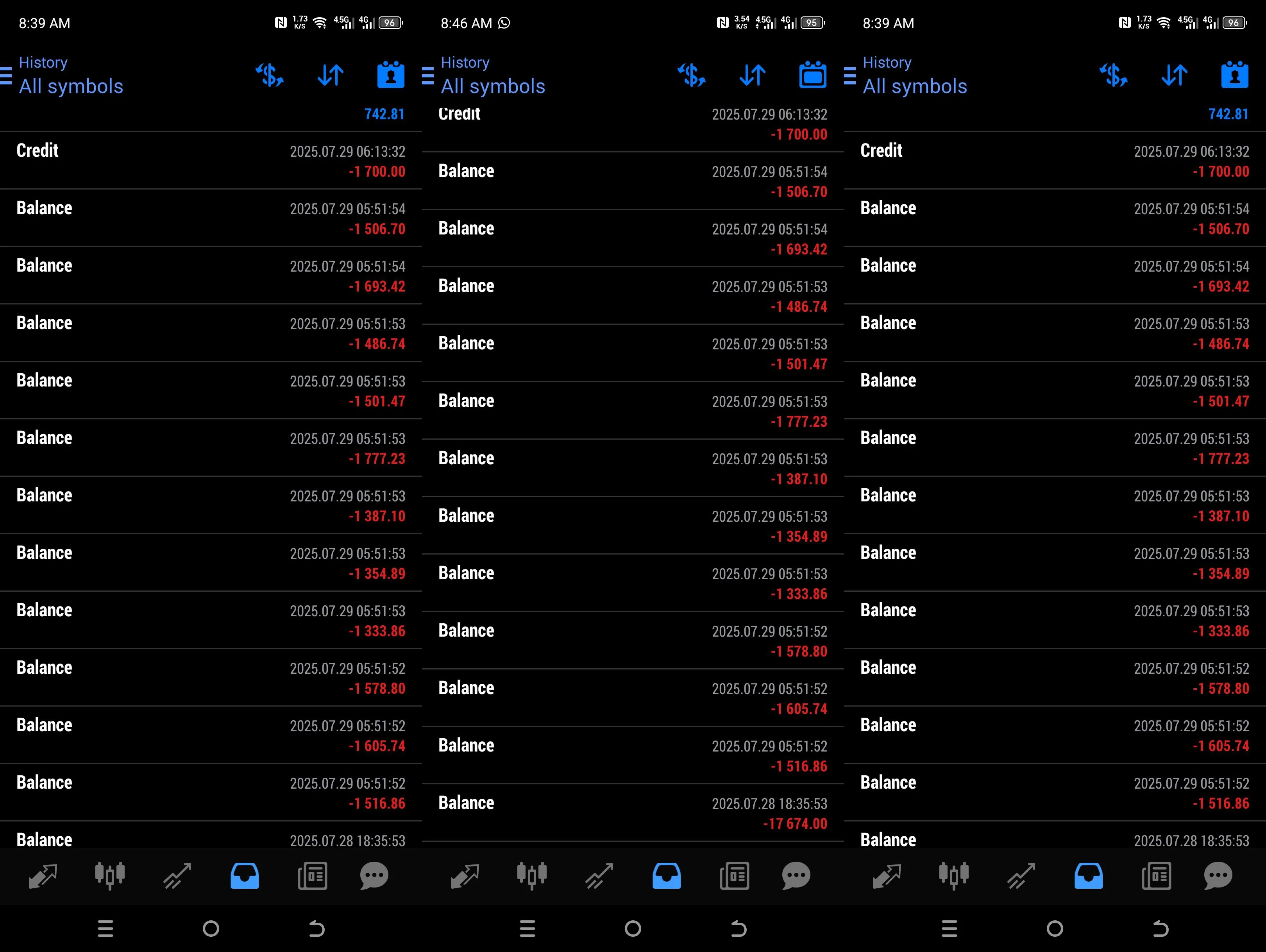
According to multiple independent reports from Nigeria, the UAE, and the United States, traders woke up between July 28th and July 29th, 2025, to find their accounts decimated. The modus operandi was identical: funds were deducted without prior notice, often pushing accounts into negative balances, with the broker citing “negative balance recapture” or “credit balance settlement” as the justification.
One particularly harrowing case comes from a trader in Nigeria (Case 9), who was managing a substantial $40,000 account. After a trading loss brought the balance to $29,000, the user expected to continue recovering positions. Instead, on July 28th, an unexplained debit of $11,000 hit the account, backed by no clear trade data.
Another user (Case 12), based in Greece, reported that a dormant balance of over $3,100 was drained to -$30.39 without placing a single trade. This was not market volatility; this was a balance sheet adjustment made directly by the broker's backend.
Part 2: “Sign or Lose Everything” – The Ethics of Duress
Perhaps more disturbing than the fund removal itself is the alleged strategy Tradeview Markets employed to manage the fallout. Multiple traders report being blackmailed into silence.
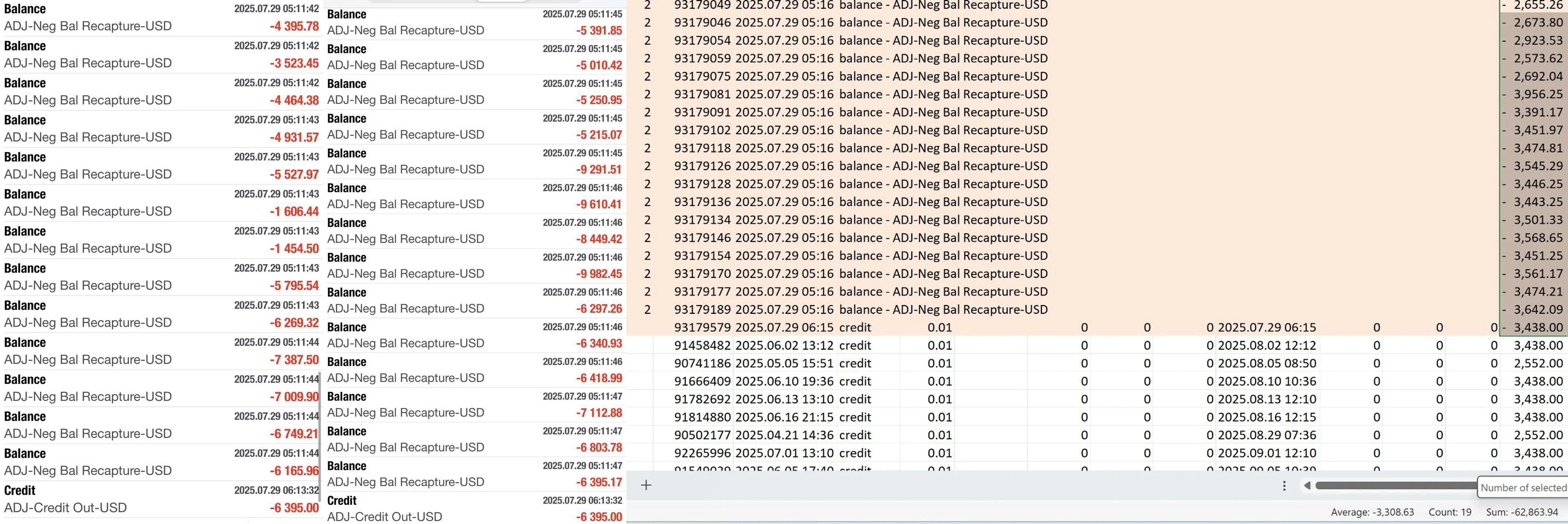
A trader from the UAE (Case 7), who suffered a staggering loss of $166,000, detailed a horrifying experience. The broker claimed the deduction was for a “negative balance recapture” spanning four years of trading—a fee never previously disclosed or charged. When the trader demanded the release of the remaining funds, the broker allegedly refused to process the withdrawal unless the client signed a legal waiver.
This pattern was corroborated by a US-based client (Case 14) who lost $62,000 to a similar “old credit balance” claim. The user stated: “Tradeview forced me to sign an agreement under duress, forbidding me from disclosing their actions or pursuing legal remedies — with the clear threat that I would lose the rest of my money if I refused.”
When a financial institution uses a client's own remaining capital as leverage to force them into a non-disclosure agreement, it moves beyond “poor service” into the realm of predatory behavior.
Part 3: The “Delete and Disappear” Strategy in Asia
While Western and African clients faced “deductions,” traders in Hong Kong and Malaysia faced a more blunt instrument: total account annihilation.
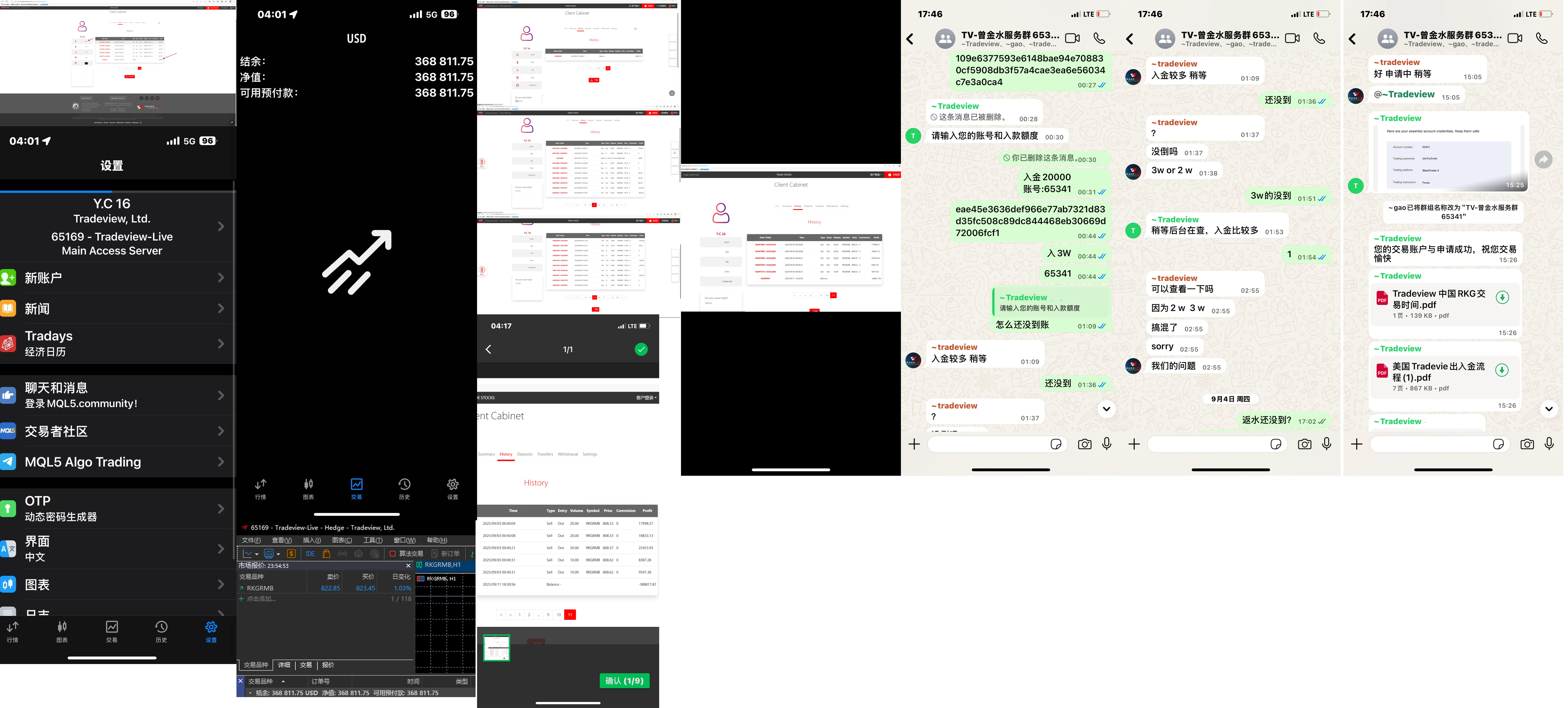
Reports from late 2025 (Cases 1, 2, and 3) describe a different trap involving WhatsApp groups. Traders were lured into communication groups managed by alleged Tradeview support staff. Operations appeared normal until withdrawal requests were submitted.
One victim in Hong Kong (Case 2) reported a balance of 368,811 USDT (over $360,000). On September 11, 2025, after a withdrawal request was stalled, the user was kicked out of the WhatsApp support group. Simultaneously, their login credentials were revoked, the account was canceled, and all trading records were deleted from the server.
A similar incident occurred in Malaysia (Case 1) in November 2025, where a user noted, “As long as you make a profit, you are illegal in their eyes.” The broker simply erased the user's digital footprint, making it incredibly difficult for the trader to prove they ever held funds with the entity.
Part 4: The Regulatory Paradox – Why Licenses Didn't Help
Many of the victims chose Tradeview Markets because it holds valid regulatory licenses. However, a deeper look into WikiFX's regulatory database reveals why these papers offered little protection.
Tradeview holds a license with the Cayman Islands Monetary Authority (CIMA). However, WikiFX data marks this status as “Over Limit”. This critical distinction often implies that the broker may be onboarding clients or offering services (such as extreme leverage or specific account types) that exceed the permissions granted by the regulator.
Furthermore, while they hold a “General Business” license in Malaysia (Labuan FSA), this is an offshore jurisdiction known for looser oversight compared to tier-1 regulators like the UK's FCA or Australia's ASIC.
Most damning is the warning from the Spanish National Securities Market Commission (CNMV). As far back as 2017, European regulators flagged Tradeview Ltd for providing investment services without authorization. This historical red flag suggests that the compliance culture at the firm has been questionable for years.
Detailed Regulatory Disclosure Table
Part 5: Customer Service as a Wall of Silence
The final component of this systemic failure is the weaponization of customer support. In almost every major complaint (Cases 4, 14, 15), communication breakdown was the precursor to fund loss.
Traders describe a shift from “swift and detailed” responses during the deposit phase to aggressive silence during disputes. Key account managers, identified by name in several reports (e.g., “Michael T.”), allegedly blocked clients on WhatsApp immediately after questioning unauthorized deductions. This behavior—cutting communication lines while holding client funds—is a hallmark of high-risk operations preparing for a collapse or an exit scam.
Conclusion
We strongly advise traders to cease depositing funds with Tradeview Markets immediately. If you have existing funds, attempt to withdraw them, but be wary of signing legal waivers that strip your rights to recourse.
WikiFX Risk Warning
The information provided in this article is based on the latest available data and user complaints. Forex and CFD trading involves significant risk and may not be suitable for all investors. The regulatory status of a broker can change at any time. Please check the latest license information on the WikiFX App before making any investment decisions.