

Global Broker Regulation Inquiry App
About WikiFX
English
简体中文
繁體中文
English
Pусский
日本語
ภาษาไทย
Tiếng Việt
Bahasa Indonesia
Español
हिन्दी
Filippiiniläinen
Français
Deutsch
Português
Türkçe
한국어
العربية
اردو



U.S.-Iran Negotiation Window Expires as Standoff Persists


Abstract:[Figure 1: U.S. and Iran Illustration]The negotiation window for the U.S.-Iran ceasefire memorandum expired on August 17, with both sides remaining deadlocked. President Donald Trump stated that he is
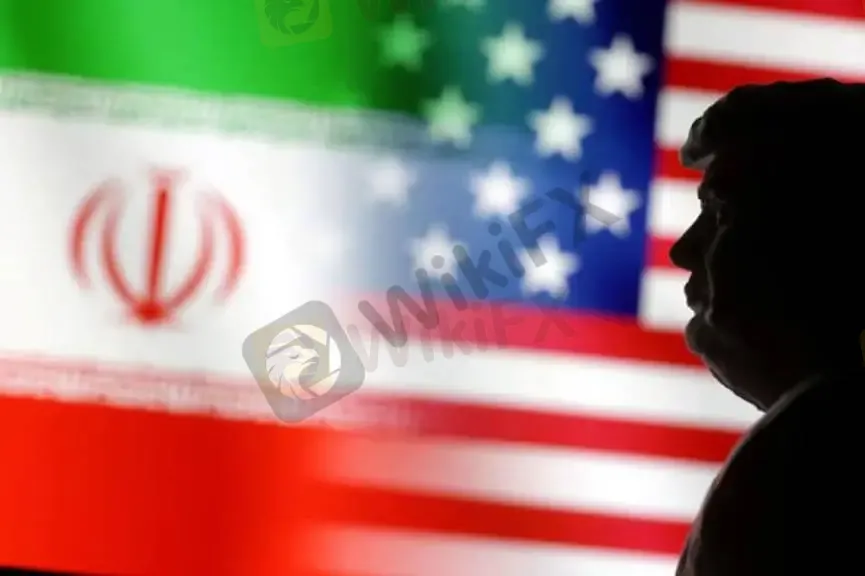
[Figure 1: U.S. and Iran Illustration]
The negotiation window for the U.S.-Iran ceasefire memorandum expired on August 17, with both sides remaining deadlocked. President Donald Trump stated that he is "in no hurry" to end the conflict with Iran, warning that Oman would face "massive bombing" if it obstructed negotiations and reiterating his demand that Iran "raise the white flag." He also confirmed that he does not intend to extend the memorandum of understanding, saying that while Iran wants an agreement, "it won't be the kind of deal I believe is necessary."
Trump further revealed the existence of a confidential communication channel with officials from Iran's Islamic Revolutionary Guard Corps (IRGC), a claim that was swiftly denied by Iran's military. Meanwhile, Iran's Foreign Ministry ruled out any extension of the temporary ceasefire arrangement and announced that Tehran had set a final deadline of several weeks for Washington to fully implement the memorandum.
Despite repeated attacks on commercial shipping, Middle Eastern oil producers continue to move crude through the Strait of Hormuz using "dark shipping" tactics, including disabling vessel transponders and conducting ship-to-ship cargo transfers in the Gulf of Oman. Actual daily shipments are estimated to exceed 4 million barrels, surpassing market expectations. Combined with alternative pipeline routes, strategic petroleum reserve releases, and softer global demand, these hidden supply channels have helped keep Brent crude trading within the $80 to $90 per barrel range.
At the same time, Iran has reportedly used the ceasefire period to quietly expand its military capabilities, upgrade its weapons systems, and reorganize its senior command structure, creating renewed concerns over the security of the Strait of Hormuz and regional energy infrastructure.
On Monday, the 30-year U.S. Treasury yield briefly climbed above 5.31%, reaching its highest level since 2007. Corporate borrowers have accelerated bond issuance to finance AI-related investments, with U.S. investment-grade bond issuance reaching $145.2 billion in August, surpassing the previous monthly record of $136.0 billion set in August 2020.
Meanwhile, the U.S. government's annual fiscal deficit, approaching $2 trillion, continues to drive Treasury supply higher. Treasury Department data also showed that China and Japan led foreign selling of U.S. Treasuries in June, while the United Kingdom also reduced its holdings. China's Treasury holdings fell to their lowest level since 2008, underscoring the ongoing diversification away from U.S. government debt by major foreign investors.
With the expiration of the U.S.-Iran negotiation window, both sides remain firmly entrenched in their respective positions. Trump's increasingly hawkish rhetoric and Iran's self-imposed deadline have reinforced the diplomatic impasse. While covert oil shipments continue to provide a short-term cushion for global crude supplies, geopolitical risks surrounding the Strait of Hormuz remain elevated.
At the same time, record-high long-term Treasury yields and an unprecedented surge in AI-driven corporate bond issuance highlight growing imbalances between debt supply and investor demand, compounded by persistent U.S. fiscal pressures. Continued foreign reductions in Treasury holdings further reinforce market concerns over the long-term attractiveness of U.S. dollar-denominated assets.
In the near term, developments in U.S.-Iran negotiations and fluctuations in oil prices are likely to remain the primary drivers of both the energy and fixed-income markets. Over the medium to long term, a durable improvement in global asset pricing will likely require not only a credible and enforceable agreement between Washington and Tehran, but also meaningful progress in easing the structural pressures created by expanding U.S. government debt issuance. Until then, investors should remain highly attentive to evolving geopolitical risks and fiscal developments.
Risk Disclaimer: The opinions, analyses, research, prices, and other information provided above are intended solely as general market commentary and do not represent the official position of this platform. They should not be construed as investment advice or a recommendation to buy or sell any financial instrument. All readers are solely responsible for their own investment decisions and assume all associated risks. Please trade prudently.
Disclaimer:
The views in this article only represent the author's personal views, and do not constitute investment advice on this platform. This platform does not guarantee the accuracy, completeness and timeliness of the information in the article, and will not be liable for any loss caused by the use of or reliance on the information in the article.
WikiFX Broker
Latest News
VG Markets Review: A Real FSCA Licence, But Why Only a 4.47 Score?
 WikiFX
Malaysian Doctor Loses RM558,000 to Forex-Crypto Scam
WikiFXValbury Review 2026: An A+++ Rating Is a Starting Point - Not a Reason to Skip the Money-Path Check
WikiFXGold Climbs Toward $4,400 as September Fed Hike Odds Tumble
WikiFXStoneX Agrees to Acquire Brazil FX Bank Banco Travelex
WikiFXReview 2026: XORKETS FX Withdrawal Complaints and Unregulated Risk
WikiFXNigeria's net FX flow falls 29% to $4.94bn in March
WikiFXInteractive Brokers Changes Overnight Order Default in TWS
WikiFXU.S. Rates and Tariffs Shape Macro Risk Sentiment
WikiFXExclusive Capital Review: Regulated by CySEC, but Traders Report Withdrawal Problems
WikiFX