


Global Broker Regulation Inquiry App
About WikiFX
English
简体中文
繁體中文
English
Pусский
日本語
ภาษาไทย
Tiếng Việt
Bahasa Indonesia
Español
हिन्दी
Filippiiniläinen
Français
Deutsch
Português
Türkçe
한국어
العربية
اردو
FXTRADING Economic Data Summary (Asia-Pacific | 07/02)
Abstract:Australian Manufacturing Extends ExpansionAustralias manufacturing sector continued to improve in June, with the SP Global Manufacturing PMI rising from 50.7 to 51.5. This marked the third consecutive

Australian Manufacturing Extends Expansion
Australias manufacturing sector continued to improve in June, with the S&P Global Manufacturing PMI rising from 50.7 to 51.5. This marked the third consecutive month above the 50 expansion threshold and the highest reading since January this year. Although tensions in the Middle East temporarily disrupted global logistics and continued to affect supply chains, overall manufacturing activity remained in expansion. The survey showed that supplier delivery times lengthened and input costs continued to rise, while output price inflation slowed noticeably, suggesting that cost pressures have begun to ease.
Businesses remained optimistic about future demand, increasing hiring and raw material inventories in preparation for further order growth while reducing the risk of renewed supply chain disruptions. Overall business strategies became more proactive. FXTRADING believes that Australias ability to sustain manufacturing expansion despite supply chain pressures reflects improving business confidence and stronger domestic demand. With manufacturing remaining in expansion territory for three consecutive months, the sector is likely to maintain its growth momentum if logistics conditions continue to improve.

Japanese Manufacturing Records Best Quarter in Years
Japans Manufacturing PMI increased from 54.5 to 54.8 in June, marking the sixth consecutive month of expansion and making the second quarter the strongest since the first quarter of 2014. Robust demand from the artificial intelligence and semiconductor industries, together with improving consumer spending, continued to support strong growth in both production and new orders.
However, part of the growth reflected precautionary inventory building as businesses prepared for transportation risks related to Middle East tensions. Shipping delays and supply constraints also pushed up corporate costs. As geopolitical risks ease, inventory demand may gradually decline, and manufacturing growth is expected to return to a more normal pace in the second half of the year. FXTRADING believes that Japans manufacturing sector continues to benefit from strong technology-related demand and remains fundamentally resilient. Once the inventory effect fades, however, future growth will depend more on sustained global technology demand and continued improvements in consumer spending.

US Consumer Confidence Weakens
US consumer confidence declined from 93.1 to 91.2 in June, falling short of the market expectation of 94.2. The Present Situation Index dropped from 119.4 to 116.4, while the Expectations Index rose from 71.4 to 74.4 but remained below the 80 level that is typically associated with recession risk. The figures suggest consumers have become slightly more optimistic about the future while growing more cautious about current economic conditions.
Lower oil prices helped ease some inflation concerns, but the labor market showed clear signs of softening. The share of respondents who said jobs were difficult to find rose to 22.5%, the highest level since January 2021, reflecting more cautious household expectations about employment and potentially weighing on future consumer spending. FXTRADING believes the decline in consumer confidence is primarily driven by a cooling labor market rather than renewed inflation pressures. With the headline index falling to 91.2, weakening confidence in employment could gradually weigh on consumption, and the Federal Reserve is likely to remain focused on labor market developments.
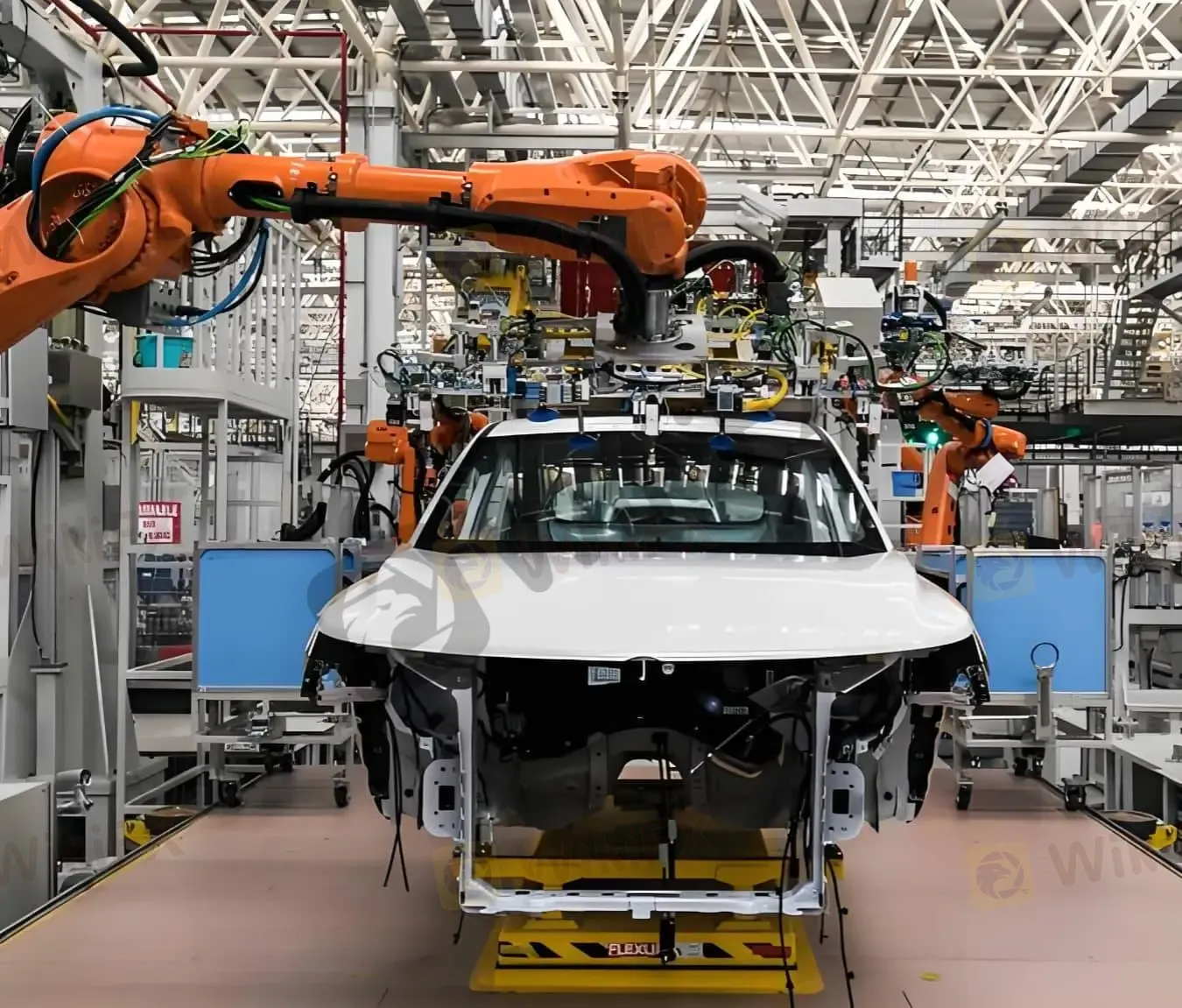
Eurozone Manufacturing Recovery Continues
The Eurozone Manufacturing PMI edged down from 51.6 to 51.4 in June, marking a four-month low. However, the Output Index rose from 51.3 to 51.7, reaching a two-month high and indicating that production activity continued to improve. The second quarter was also the strongest since the first quarter of 2022. Lower energy prices and improving supply conditions continued to reduce business costs, with both input cost inflation and output price inflation slowing to their weakest pace since March.
However, the support from earlier inventory accumulation prompted by Middle East tensions is gradually fading. As the inventory cycle comes to an end, whether manufacturing can continue expanding will increasingly depend on sustained improvements in consumer demand and exports. FXTRADING believes that the Eurozone manufacturing sector remains on a recovery path, with easing cost pressures providing support for the broader economy. However, once the inventory effect disappears, continued manufacturing growth will require stronger underlying demand.
(For more insights into global macroeconomic trends and market developments, please follow FXTRADINGs official updates. This information is provided for reference only and does not constitute any form of investment advice.)
Disclaimer:
The views in this article only represent the author's personal views, and do not constitute investment advice on this platform. This platform does not guarantee the accuracy, completeness and timeliness of the information in the article, and will not be liable for any loss caused by the use of or reliance on the information in the article.
WikiFX Broker
Latest News
Vonway Forex Review: No Regulation, Withdrawal Complaints, and a Broker Warning
 WikiFX
Rupee Logs Quarterly Gain; Yen Hits 40-Year Low
WikiFXFinalto Review 2026: Regulation, Trading Environment, and Platform Access Risks
WikiFXWHITEFOREX Review 2026: I Am Not the Only Victim of Its Profit Seizure Activity; Users Say This!
WikiFXBelgium’s FSMA Flags 25 Fraudulent Trading Platforms
WikiFXEPFX Review 2026: Should You Trade with This Broker?
WikiFXCash Trust Scheme Cost 1,800 Victims More Than RM100 Million
WikiFXTHEFALCON MARKETS Review 2026: Is This Forex Broker Safe?
WikiFXChinese Tycoon Guo Wengui Gets 30 Years in US Prison for $1 Billion Fraud Scheme
WikiFXACY Securities Review: Regulation Warnings, Withdrawal Pain, and Broker Risk Signals
WikiFXCurrency Calculator
USD

CNY
Current Rate:0
Enter amount
USD
Redeemable Amount
CNY
Calculate 