


Global Broker Regulation Inquiry App
About WikiFX
English
简体中文
繁體中文
English
Pусский
日本語
ภาษาไทย
Tiếng Việt
Bahasa Indonesia
Español
हिन्दी
Filippiiniläinen
Français
Deutsch
Português
Türkçe
한국어
العربية
اردو
FXTRADING Economic Data Summary (Asia-Pacific | 07/01)
Abstract:Japans Industrial Production Continues to RecoverData from Japans Ministry of Economy, Trade and Industry showed that industrial production rose 0.5% month-on-month in May, slightly below the market e

Japans Industrial Production Continues to Recover
Data from Japans Ministry of Economy, Trade and Industry showed that industrial production rose 0.5% month-on-month in May, slightly below the market expectation of 0.6%, with the seasonally adjusted production index increasing to 103.0. Output of transport equipment climbed 4.6%, while inorganic and organic chemicals rose 3.7%, making them the primary drivers of industrial growth during the month. Overall manufacturing activity continued to improve.
Businesses remain confident about future production, expecting output to increase by 3.7% in June before stabilizing in July, suggesting that orders and production schedules remain steady. The labor market also stayed resilient, with the unemployment rate holding at 2.5% in May, while the jobs-to-applicants ratio edged down from 1.18 to 1.17, indicating there were still 117 job openings for every 100 job seekers. FXTRADING believes that continued industrial expansion and a tight labor market highlight the resilience of Japans economy. Although external demand remains uncertain, stable manufacturing expectations should continue to support economic growth.
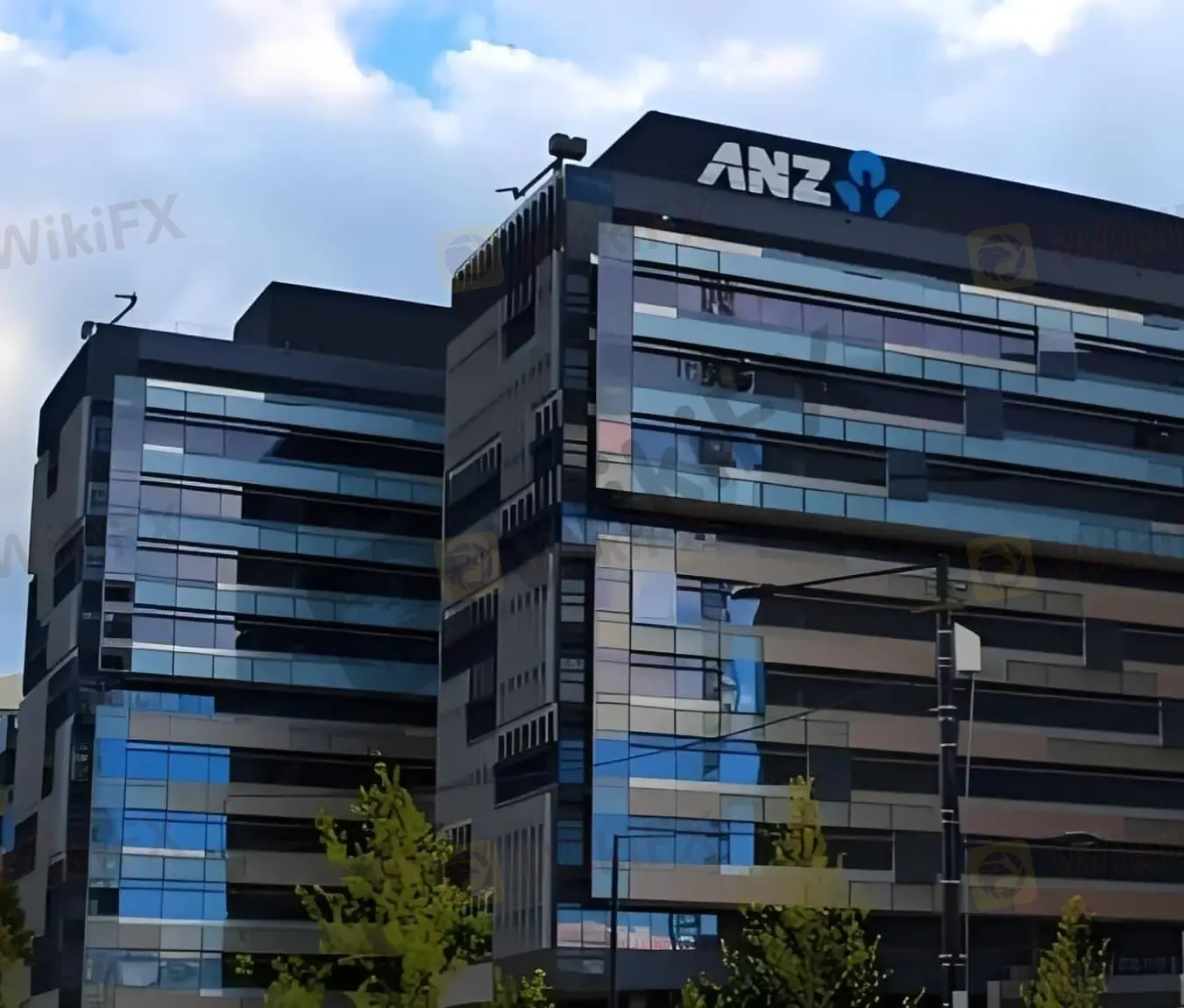
New Zealand Business Confidence Improves Sharply
Business confidence in New Zealand strengthened significantly in June, reflecting an accelerating economic recovery. The ANZ Business Confidence Index jumped from 10.0 to 36.6, while firms own activity outlook rose from 25.6 to 36.9, indicating growing optimism about future business conditions and a continued improvement in overall economic sentiment.
At the same time, inflation pressures eased further. Businesses‘ inflation expectations declined from 3.63% to 3.36%, the cost expectation index fell from 90 to 85, and pricing intentions dropped from 56.7 to 50.7, the lowest level since last November. ANZ noted that the improvement in economic conditions began before oil prices retreated, suggesting that business fundamentals have been steadily strengthening. FXTRADING believes that the combination of improving business confidence and moderating inflation has created favorable conditions for a sustained economic recovery. If demand continues to strengthen while inflation remains stable, New Zealand’s economy is likely to achieve more balanced growth.

RBA Maintains a Cautious Stance
Minutes from the Reserve Bank of Australias June policy meeting showed that the Board unanimously decided to keep the cash rate unchanged at 4.35%, preferring to observe the effects of previous monetary tightening while assessing risks arising from developments in global energy markets. As a result, policymakers are in no rush to adjust monetary policy.
The minutes noted that inflation remains above the target range, with underlying inflation expected to stay elevated in the second quarter, while labor and business cost pressures have yet to ease meaningfully. Meanwhile, tensions in the Middle East could still disrupt energy supplies, and even though oil prices have retreated, higher energy costs could continue feeding into business expenses and wages. FXTRADING believes that the RBA remains focused on bringing inflation under control, making a significant policy adjustment unlikely in the near term. As long as price pressures and geopolitical risks persist, monetary policy is likely to remain cautious.

ECB Focuses on the Transmission Effects of Oil Prices
European Central Bank Chief Economist Philip Lane said the ECB will not pre-commit to any future interest rate path and will continue making policy decisions based on incoming economic data. He noted that although oil prices have recently declined, more time is needed to assess their actual impact on inflation and economic activity, making it too early to draw firm conclusions.
Lane also said that while easing geopolitical tensions have improved market sentiment, confidence among investors and consumers has yet to fully recover. He expects global oil prices to remain above pre-conflict levels through 2027 and 2028, meaning energy costs could continue influencing Europes inflation outlook for some time. FXTRADING believes the ECB will continue adhering to a data-dependent approach and is unlikely to alter its policy stance simply because of a short-term decline in oil prices. With energy costs still elevated and the inflation outlook remaining uncertain, future interest rate decisions are expected to stay cautious and flexible.
Disclaimer:
The views in this article only represent the author's personal views, and do not constitute investment advice on this platform. This platform does not guarantee the accuracy, completeness and timeliness of the information in the article, and will not be liable for any loss caused by the use of or reliance on the information in the article.
WikiFX Broker
Latest News
Vonway Forex Review: No Regulation, Withdrawal Complaints, and a Broker Warning
 WikiFX
RoboMarkets Review 2026: Regulation, Complaints, and Execution Quality
WikiFXMazi Finance Review 2026: Unregulated Status, Withdrawal Complaints, and Risk Signals
WikiFXReview 2026: TRADING 212 Regulation, Clone Warning, and Withdrawal Complaint
WikiFXReview 2026: BOLD PRIME Complaints, Regulation Warnings, and Withdrawal Risk
WikiFXReview 2026: EMIRAX MARKETS Regulation, Withdrawal Complaints, and Trading Risks
WikiFXPolymarket Under Fire as Wall Street Watchdog Launches Investigation
WikiFX⚽💱 World Cup · Forex Predict & Win Event
WikiFXHIJA MARKETS Review 2026: I Was Told to Pay $3,000 to Receive My Profits, But I Found It Suspicious
WikiFXRupee Logs Quarterly Gain; Yen Hits 40-Year Low
WikiFXCurrency Calculator
USD

CNY
Current Rate:0
Enter amount
USD
Redeemable Amount
CNY
Calculate 