


Global Broker Regulation Inquiry App
About WikiFX
English
简体中文
繁體中文
English
Pусский
日本語
ภาษาไทย
Tiếng Việt
Bahasa Indonesia
Español
हिन्दी
Filippiiniläinen
Français
Deutsch
Português
Türkçe
한국어
العربية
اردو
FXTRADING Financial Focus (Asia-Pacific 06/29)IMF Signals Strong US Outlook
Abstract:The International Monetary Fund (IMF) said in its latest assessment that the US economy remains highly resilient, with consumer spending, business investment, and productivity continuing to support gr
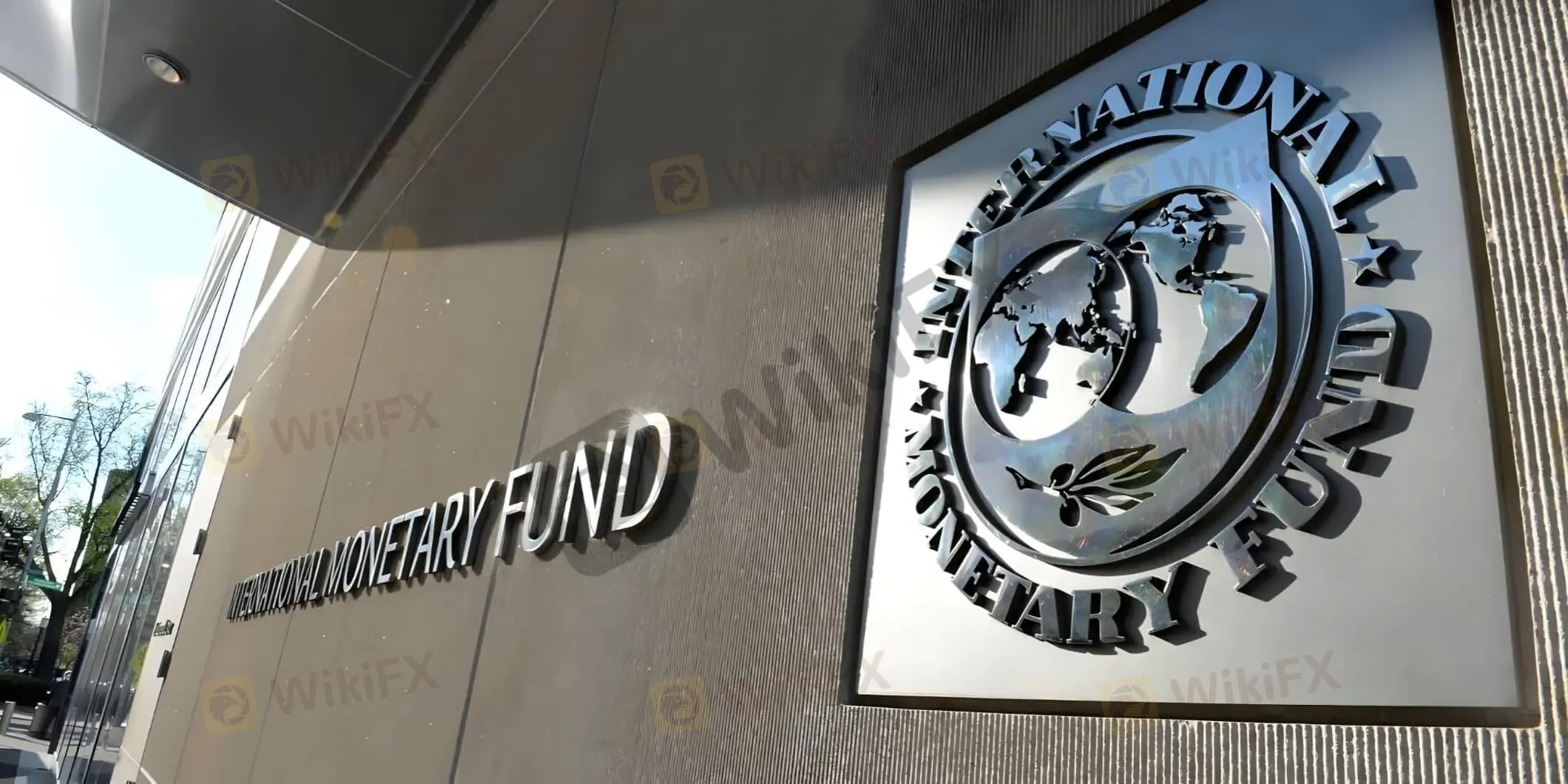
The International Monetary Fund (IMF) said in its latest assessment that the US economy remains highly resilient, with consumer spending, business investment, and productivity continuing to support growth and providing a solid foundation for the economy. Following stronger-than-expected recent economic data, the IMF expects the US economy to continue expanding and believes its performance will remain ahead of most major advanced economies.
The latest data showed that US first-quarter economic growth was revised higher, indicating stronger real economic activity than previously estimated. A rebound in government spending, solid business investment, and sustained productivity growth have all strengthened the economys growth momentum. According to the IMF, this demonstrates that the US economy continues to show remarkable resilience despite a high interest rate environment.
Regarding monetary policy, the IMF believes the Federal Reserves decision to keep interest rates unchanged is appropriate under current economic conditions. Although inflation remains above the target level, the overall disinflation trend remains intact and is expected to gradually move toward the long-term 2% target over the coming years. As a result, future policy adjustments should remain data-dependent, responding flexibly to changes in economic activity and inflation while avoiding premature shifts in policy direction.
In global energy markets, easing tensions in the Middle East have led to a pullback in oil prices from recent highs. Prices for aviation fuel, natural gas, certain industrial metals, and fertilizers have also eased. However, overall prices remain above pre-conflict levels, and global supply chains and energy markets will require more time to fully stabilize.
The IMF noted that global inflation expectations remain broadly well anchored, although inflationary pressures differ across economies. Some central banks continue to tighten monetary policy to prevent inflation from rebounding, while others have opted to keep interest rates unchanged. Economies that rely heavily on energy imports, have limited fiscal capacity, or lack sufficient strategic reserves should remain alert to the risk of rising costs.
If international energy prices continue to remain stable, production and transportation costs are expected to decline further, while global supply chains should continue to improve. This would help ease inflationary pressures and provide a more stable external environment for the global economic recovery. Nevertheless, countries should continue to monitor uncertainties stemming from energy price fluctuations and changes in global demand.
From FXTRADINGs perspective, the US economy continues to demonstrate strong growth resilience, while the broader global disinflation trend remains intact. However, energy costs and external uncertainties will continue to influence the pace of economic recovery across countries. Going forward, policymakers are expected to remain focused on maintaining price stability, supporting economic growth, and strengthening economic resilience, allowing the global economy to continue its path toward a moderate recovery.

Disclaimer:
The views in this article only represent the author's personal views, and do not constitute investment advice on this platform. This platform does not guarantee the accuracy, completeness and timeliness of the information in the article, and will not be liable for any loss caused by the use of or reliance on the information in the article.
WikiFX Broker
Latest News
Why Your Buy Limit Triggered Three Days Too Late
 WikiFX
Review 2026: OROKU EDGE Regulation Warnings, Withdrawal Complaints, and High Leverage
WikiFXThe Hidden Drivers of Forex: How Bank Rates and Revaluations Move the Market
WikiFXHow to Measure True Currency Strength Beyond a Single Pair
WikiFXThe Stop Loss Safe Zone: Surviving Breakouts at Key Highs and Lows
WikiFXFXPIG Review 2026: Revoked Regulation and Withdrawal Complaints
WikiFXReview 2026: Webull FSA Regulation, Mobile App Access, and Complaint Signals
WikiFXFIBOGROUP Review: Offshore Regulation, Withdrawal Complaints, and Broker Red Flags
WikiFXHero FX Review 2026: Is This Forex Broker Safe?
WikiFXSpaceMarket Review 2026: Is This Forex Broker Safe?
WikiFXCurrency Calculator
USD

CNY
Current Rate:0
Enter amount
USD
Redeemable Amount
CNY
Calculate 