


Global Broker Regulation Inquiry App
About WikiFX
English
简体中文
繁體中文
English
Pусский
日本語
ภาษาไทย
Tiếng Việt
Bahasa Indonesia
Español
हिन्दी
Filippiiniläinen
Français
Deutsch
Português
Türkçe
한국어
العربية
اردو
Oil Prices Retreat as Supply Surges Following the Reopening of the Strait of Hormuz
Abstract:[Figure 1: U.S. and Iran Illustration]Following the signing of a Memorandum of Understanding (MoU) between the United States and Iran, the global oil market has rapidly shifted from fears of supply di
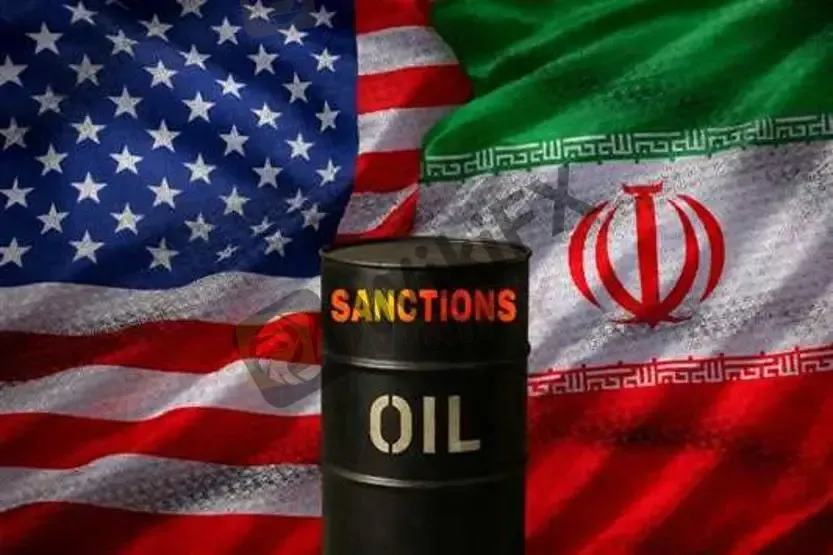
Following the signing of a Memorandum of Understanding (MoU) between the United States and Iran, the global oil market has rapidly shifted from fears of supply disruption to concerns about oversupply.
Brent crude fell below USD 75 per barrel this week, returning to levels not seen since the Iran conflict began. Buyers across Europe and Asia are now facing an influx of crude cargo offers, reflecting a sharp reversal from the panic buying seen earlier this year.
According to Bloomberg and International Energy Agency (IEA) data, large volumes of crude had already entered global markets through "dark fleet" shipments before the agreement was finalized. The UAE has restored exports to nearly 85% of pre-conflict levels, while Iran shipped roughly 30 million barrels to Asia ahead of the 60-day sanctions waiver. Saudi shipping giant Bahri has also accelerated tanker movements, and the UAE recently auctioned approximately 60 million barrels of crude. At least six VLCCs carrying a combined 12 million barrels are expected to arrive in Europe next month.
The surge in supply is reshaping global trade flows. Nigeria's Dangote Refinery has purchased UAE crude for the first time, while Middle Eastern crude has moved into contango, signaling abundant near-term supply. Goldman Sachs Head of Commodities Research Daan Struyven noted that weak Asian demand has made prompt crude cheaper than future deliveries. Meanwhile, Angolan crude discounts have widened to their largest levels in over a decade, and Sparta Commodities analyst June Goh expects inventories to continue rising as Asian refiners have already secured sufficient supply through August.
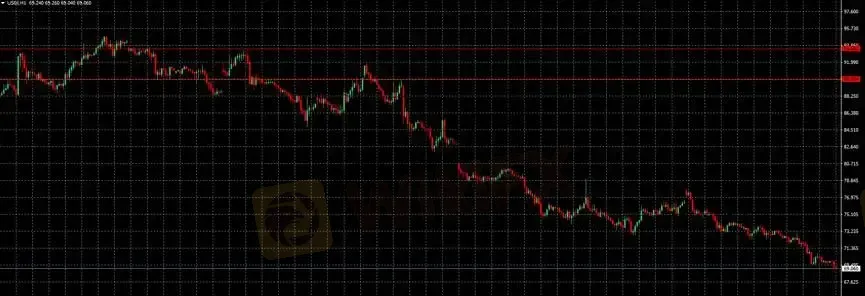
After briefly surging above USD 140 per barrel during April's geopolitical panic, Dated Brent has now fallen nearly 50%, returning close to pre-conflict levels.
Despite improving supply conditions, the market remains vulnerable. U.S. crude inventories are at their lowest level since 1984, while storage at Cushing is approaching operational minimums, providing continued support for U.S. oil prices.
Attention has now shifted to the future governance of the Strait of Hormuz. President Donald Trump has rejected any agreement involving shipping or transit fees, calling such measures "unacceptable." Secretary of State Marco Rubio likewise stated that no country supports charging vessels for passage through the Strait.
Although the current MoU excludes transit fees during the 60-day negotiation period, Iran has proposed introducing charges for maritime security and navigation services afterward. The shipping industry has warned that permanent transit fees could create a dangerous precedent for other major global trade routes.
The reopening of the Strait has eased immediate supply concerns and may help reduce global inflation while giving the Federal Reserve greater policy flexibility. However, low inventories, soft Asian demand, and unresolved geopolitical negotiations suggest oil market volatility is unlikely to disappear anytime soon.
In the near term, expanding supply and lower crude prices should support broader risk assets. Longer term, lasting stability will depend on uninterrupted shipping through the Strait and meaningful progress in regional diplomatic negotiations. Investors should closely monitor developments during the ongoing 60-day negotiation period.
Risk Disclaimer
The opinions, analyses, research, prices, and other information provided above are for general market commentary only and do not constitute the official position of this platform. Readers should independently evaluate all risks and assume full responsibility for their investment decisions. Please trade responsibly.
Disclaimer:
The views in this article only represent the author's personal views, and do not constitute investment advice on this platform. This platform does not guarantee the accuracy, completeness and timeliness of the information in the article, and will not be liable for any loss caused by the use of or reliance on the information in the article.
WikiFX Broker
Latest News
EMAR MARKETS Review 2026: Complaints, High Leverage, and Withdrawal Risk Signals
 WikiFX
EMIRAX MARKETS Review 2026: Unregulated Status, High Leverage, and Withdrawal Complaints
WikiFXHow the Bullet Theory Fixes the Habit of Overtrading
WikiFXReview 2026: Interactive Brokers Regulation, Complaints, and Platform Access
WikiFXReview 2026: STMARKET Regulation, MT5 Access, and Withdrawal Complaint
WikiFXRCG Markets Review 2026: Is This Forex Broker Safe?
WikiFXReview 2026: Deriv Regulation, Complaints, and Withdrawal Risk Signals
WikiFXStop Trading in the Middle of Ranging Forex Markets
WikiFXRoboMarkets Review: Regulation Questions Around a Broker Facing Fresh Trading Complaints
WikiFXSTONE WALL CAPITAL Review 2026: Is This Forex Broker Safe?
WikiFXCurrency Calculator
USD

CNY
Current Rate:0
Enter amount
USD
Redeemable Amount
CNY
Calculate 