


Global Broker Regulation Inquiry App
About WikiFX
English
简体中文
繁體中文
English
Pусский
日本語
ภาษาไทย
Tiếng Việt
Bahasa Indonesia
Español
हिन्दी
Filippiiniläinen
Français
Deutsch
Português
Türkçe
한국어
العربية
اردو
U.S.-Iran Talks Collapse Amid Trump's Hardline Threats
Abstract:Chart 1: U.S.-Iran Negotiations IllustrationThe first formal round of negotiations following the signing of the U.S.-Iran Ceasefire Memorandum of Understanding (MoU) was held in Switzerland but quickl
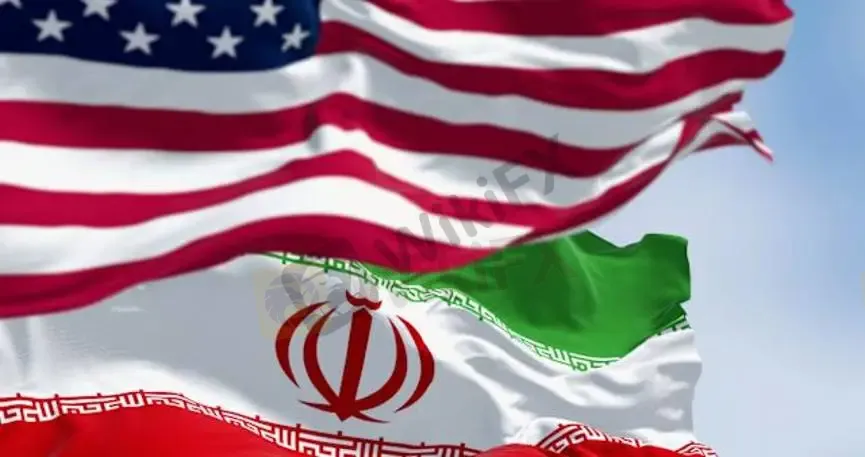
The first formal round of negotiations following the signing of the U.S.-Iran Ceasefire Memorandum of Understanding (MoU) was held in Switzerland but quickly escalated amid strong military and economic warnings issued by U.S. President Donald Trump. According to reports from Xinhua News Agency and other media outlets, the Iranian delegation walked out in protest after just 80 minutes of discussions, forcing the suspension of the multilateral talks mediated by Pakistan and Qatar.
Prior to the meeting, U.S. Vice President J.D. Vance had expressed optimism, describing the negotiations as making "substantial progress." However, Trump's public remarks rapidly undermined the already fragile diplomatic atmosphere.
During an interview with Fox News while the talks were underway, Trump warned that unless Iran immediately halted its support for proxy activities in Lebanon, the United States would "launch even more forceful strikes against Iran." He also suggested that Washington could become the "guardian" of the Strait of Hormuz and collect associated revenues from maritime traffic. Trump further disclosed that he had personally contacted Iranian officials, warning them that any attempt to close the strategic waterway would carry severe consequences.
Iranian Parliament Speaker and chief negotiator Mohammad Bagher Ghalibaf responded sharply, stating that Iran's armed forces were fully prepared to retaliate through multiple channels. He added that the Iranian delegation would not return to the negotiating table unless Trump issued an apology and Israel withdrew its forces from southern Lebanon.
Key Obstacles and Areas of Disagreement• Israeli Military Operations in LebanonOngoing Israeli military advances in southern Lebanon, coupled with acknowledged battlefield losses, became the immediate trigger for the Iranian delegation's walkout. Tehran insists that an Israeli withdrawal is a prerequisite for implementing the first provision of the memorandum.
• Nuclear Issues DeferredThe first round of discussions focused primarily on implementing Article 13 of the MoU and addressing the Lebanon situation, while nuclear-related issues were postponed. This highlights the differing priorities between Washington and Tehran.
• Deep Trust DeficitIranian delegates refused to participate in a joint handshake or photo opportunity with U.S. officials and only briefly entered the meeting venue, underscoring the severe lack of mutual trust.
The suspension of negotiations quickly rippled through global financial markets. During Asian trading hours, Brent crude rose 1.5% to $81.80 per barrel, while WTI crude gained 1.2% to $77.54 per barrel. Meanwhile, S&P 500 futures declined 0.5%, and Nasdaq-100 futures fell 0.4%.
As the Strait of Hormuz accounts for roughly one-fifth of global oil shipments, its stability has once again emerged as a critical variable shaping energy prices and global inflation expectations.
The abrupt breakdown of the first round of formal negotiations underscores the fragility of implementing the ceasefire memorandum. While Trump's "pressure-and-negotiate" strategy may have contributed to securing the initial agreement, it continues to provoke resistance from Iran and strengthen hardline factions domestically.
Israel's military operations in Lebanon remain the most significant external risk factor, while the postponement of nuclear discussions leaves considerable uncertainty hanging over the next 60 days of negotiations.
In the near term, oil markets are likely to remain highly sensitive to geopolitical developments, with global supply chains and inflation expectations vulnerable to sudden shifts in sentiment. Over the longer term, the agreement can only evolve into a durable framework for regional stability if all parties reach workable consensus on key issues, including Israeli troop withdrawals, verification mechanisms, and sanctions relief.
The U.S.-Iran diplomatic process has now transitioned from the "signing phase" into a more challenging "implementation and strategic bargaining phase." Any unilateral escalation in rhetoric or action could disrupt the fragile balance currently in place. Investors should closely monitor upcoming negotiations in Switzerland and developments surrounding maritime traffic through the Strait of Hormuz.
Risk Disclaimer:
The views, analyses, research, price information, and other materials provided herein are intended solely as general market commentary and do not constitute investment advice or represent the position of this platform. Readers are solely responsible for their own investment decisions and associated risks. Please exercise caution when trading or investing.
Disclaimer:
The views in this article only represent the author's personal views, and do not constitute investment advice on this platform. This platform does not guarantee the accuracy, completeness and timeliness of the information in the article, and will not be liable for any loss caused by the use of or reliance on the information in the article.
WikiFX Broker
Latest News
Why Employment Data Releases Destroy Short-Term Forex Trades
 WikiFX
Making Sense of Central Bank News: How Revaluation, Interest Rates, and Reserves Move Currencies
WikiFXReading Hammer and Engulfing Candles to Time Trade Entries
WikiFXReal Trades vs. Fake Algorithms: Lessons From a $125 Million Scam
WikiFXCrude Rebounds Over Strait Closure
WikiFXDollar Tests 161 Yen Amid Hormuz Oil Shock
WikiFXAmana Capital Review 2026: Regulation, Complaints, and Withdrawal Risks
WikiFXReview 2026: Regulation, Clone Warnings, and Withdrawal Complaints
WikiFXReview 2026: OROKU EDGE Regulation, Complaints, and Withdrawal Risk Signals
WikiFXPBOC Rate, Crude Oil, and Aussie in Focus
WikiFXCurrency Calculator
USD

CNY
Current Rate:0
Enter amount
USD
Redeemable Amount
CNY
Calculate 