

Global Broker Regulation Inquiry App
About WikiFX
English
简体中文
繁體中文
English
Pусский
日本語
ภาษาไทย
Tiếng Việt
Bahasa Indonesia
Español
हिन्दी
Filippiiniläinen
Français
Deutsch
Português
Türkçe
한국어
العربية
اردو


FXTRADING Economic Data Summary (Asia-Pacific | 06/11)


Abstract:U.S. Inflation Picks Up AgainU.S. CPI inflation accelerated from 3.8% yoy to 4.2% yoy in May, in line with market expectations and marking the highest level in nearly three years. Energy prices remain

U.S. Inflation Picks Up Again
U.S. CPI inflation accelerated from 3.8% yoy to 4.2% yoy in May, in line with market expectations and marking the highest level in nearly three years. Energy prices remained the primary driver of inflation, surging 23.5% yoy and rising a further 3.9% mom. In contrast, food prices increased by 3.1% yoy, remaining relatively moderate overall.
However, core CPI rose from 2.8% yoy to 2.9% yoy, matching expectations, while monthly core CPI slowed from 0.4% to 0.2%, below the market forecast of 0.3%. This suggests that while higher energy costs are pushing up headline inflation, underlying inflation remains relatively stable. FXTRADING Analysis: The recent rise in U.S. inflation has been largely driven by energy prices, while the slowdown in monthly core inflation indicates that broader price pressures have yet to spread significantly across the economy. In the near term, the Federal Reserve is likely to focus on whether rising energy costs begin feeding through to consumer prices, and monetary policy is expected to remain cautious.
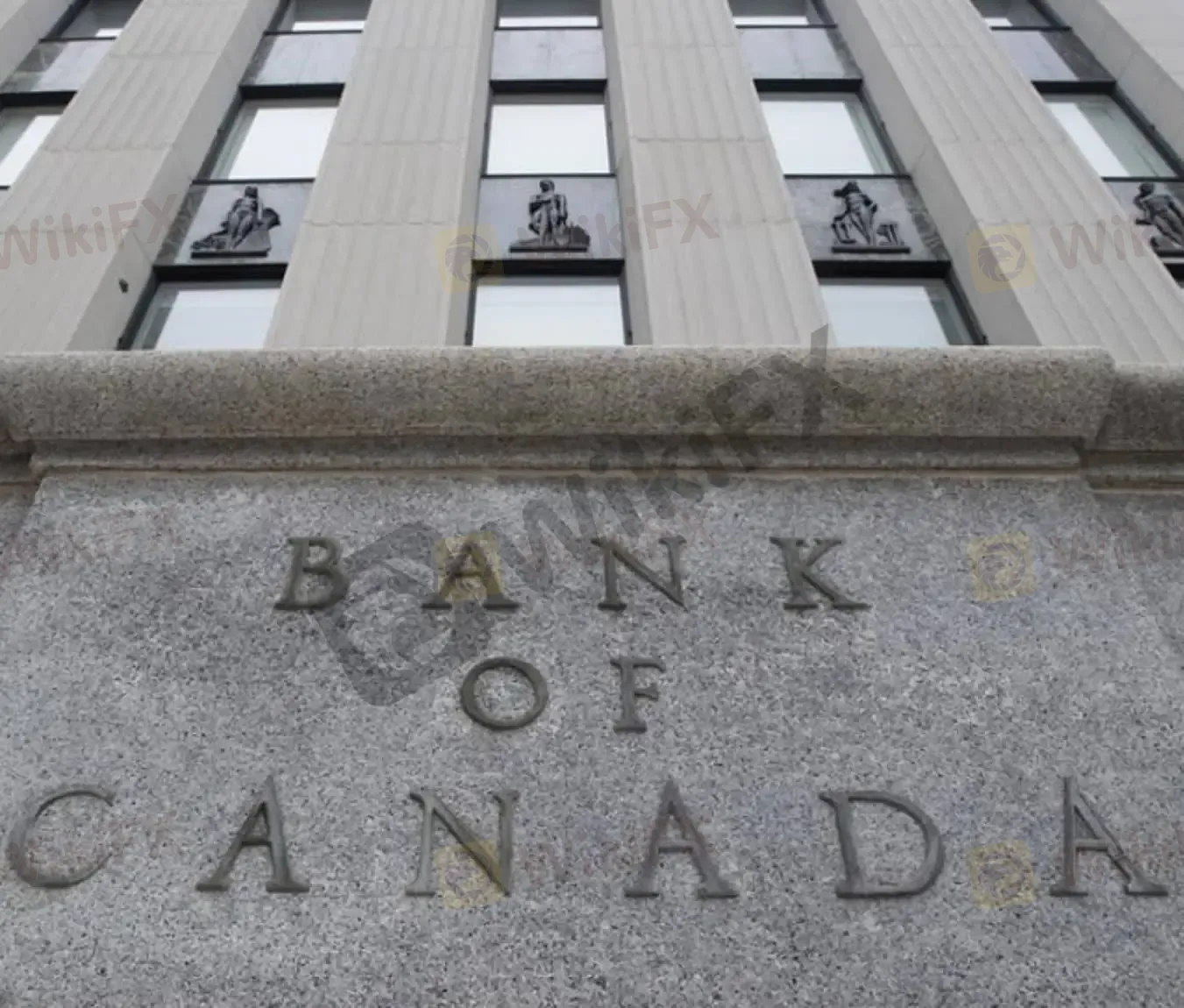
Bank of Canada Remains on Hold
As expected, the Bank of Canada kept its overnight rate unchanged at 2.25%. Although Canadian CPI rose to 2.8% and may approach 3% in the near term, policymakers believe the increase is largely attributable to higher energy prices, with little evidence of broad-based inflation pass-through so far.
Meanwhile, Canadas economy contracted by 0.1% in the first quarter, while the housing market softened and both business investment and exports remained weak. Although employment increased in May, overall employment levels have changed little since the beginning of the year, and the economy continues to operate with excess supply. FXTRADING Analysis: The Bank of Canada is currently more concerned about slowing economic growth than inflation. Negative GDP growth, weak investment, and declining exports all point to insufficient demand. As long as higher energy prices do not trigger persistent inflationary pressures, the central bank is likely to maintain a wait-and-see approach in the near term.

Australian Economy Maintains Moderate Expansion
According to National Australia Bank, Australias business confidence index improved from -23 to -14 in May. Although confidence remains in negative territory, the rebound represents a notable improvement from previous levels. As concerns over the impact of Middle East tensions eased, business sentiment recovered somewhat, though overall confidence remains cautious.
In terms of business conditions, the business conditions index remained unchanged at 3. The trading conditions index increased from 7 to 8, while the employment index rose from 1 to 2. However, the profitability index slipped from 0 to -1. At the same time, purchase cost growth slowed from 4.5% to 2.6%, while labor cost growth eased from 1.7% to 1.5%, indicating continued moderation in price pressures. FXTRADING Analysis: Australias economy is slowing but has not shown signs of a sharp downturn. The moderation in cost and price growth suggests that previous monetary tightening by the Reserve Bank of Australia is working as intended. The economy is more likely to experience a gradual cooling rather than a significant recession.

Japans Producer Inflation Accelerates Further
Japans PPI rose 6.3% yoy in May, up from 5.3% previously and well above market expectations of 5.5%, marking the highest reading since March 2023. On a monthly basis, PPI increased by 0.9%, indicating that cost pressures at the corporate level continue to build.
Higher energy prices remain the key driver behind the latest inflation surge. Japans import price index climbed 25.5% yoy in May, up from 21.0% in April and marking the strongest increase in nearly two and a half years. At the same time, strong global demand linked to the artificial intelligence industry boosted exports of semiconductors and other technology products, with export prices rising 20.6% yoy and supporting export revenues. FXTRADING Analysis: Japan is facing significant imported inflation pressures. Rising PPI and import prices indicate that higher energy costs continue to flow through to businesses. While technology exports remain strong, persistently elevated energy prices could continue to pose challenges for the Japanese economy by increasing corporate costs.
Disclaimer:
The views in this article only represent the author's personal views, and do not constitute investment advice on this platform. This platform does not guarantee the accuracy, completeness and timeliness of the information in the article, and will not be liable for any loss caused by the use of or reliance on the information in the article.
WikiFX Broker
Latest News
Singapore tightens monetary policy in surprise move as rising oil prices rekindle inflation risk
 WikiFX
SPREDIX MARKETS Review: What Traders Should Know Before Depositing
WikiFXBXB Review – Zero Regulation, Dead Website: What Traders Need to Know
WikiFXHFM Review: No Regulatory Licences and a 1.83 Score , Is Your Deposit Safe?
WikiFXIs Your Withdrawal Plan Killing Your Compounding Gains?
WikiFXHFMARKETS TRADE Review: Zero Regulation and a Central Bank Warning
WikiFXWinvest Review: What Traders Should Know Before Depositing
WikiFXTrade Nation Review: What Traders Should Know Before Depositing
WikiFXFXPesa Review: Is Your Deposit Safe?
WikiFXXM Royal Scam Drains RM119,599 From Malaysian Housewife
WikiFX