

Global Broker Regulation Inquiry App
About WikiFX
English
简体中文
繁體中文
English
Pусский
日本語
ภาษาไทย
Tiếng Việt
Bahasa Indonesia
Español
हिन्दी
Filippiiniläinen
Français
Deutsch
Português
Türkçe
한국어
العربية
اردو



FXTRADING Financial Focus (Asia-Pacific 06/03)US-EU Trade Tensions Ease as Tariff Deal Advances


Abstract:Signs of easing tensions have recently re-emerged in US-Europe trade relations after the European Parliament‘s Committee on International Trade overwhelmingly approved a tariff reduction bill. The cor
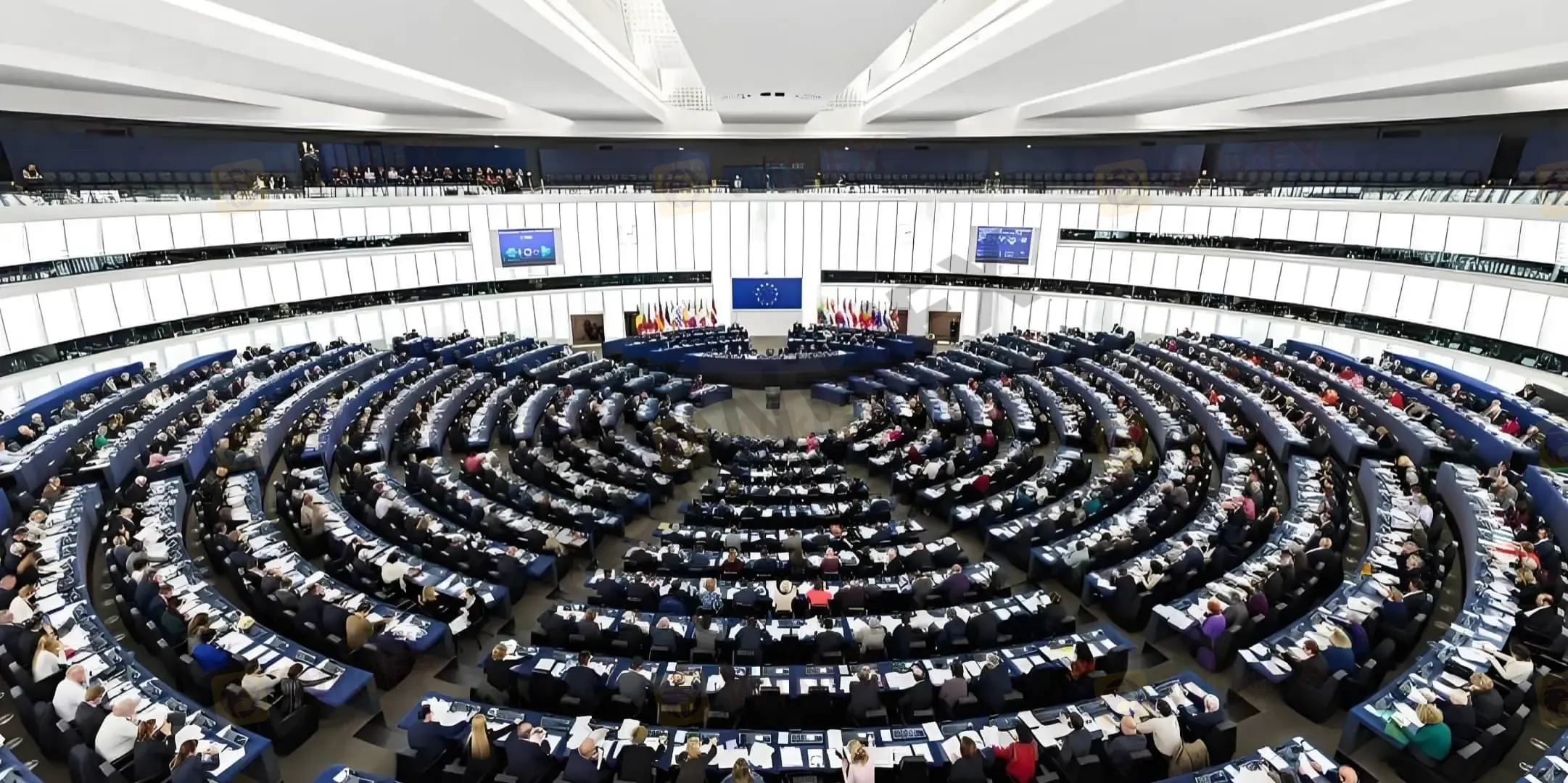
Signs of easing tensions have recently re-emerged in US-Europe trade relations after the European Parliament‘s Committee on International Trade overwhelmingly approved a tariff reduction bill. The core of the proposal is to remove EU import tariffs on certain US industrial goods while continuing zero-tariff treatment for American seafood products such as lobster. The move suggests that the EU has officially started pushing forward the implementation of its previous trade arrangement with the United States, while also reflecting Europe’s intention to stabilize the transatlantic trade environment as quickly as possible.
The agreement can be traced back to last summer, when US President Donald Trump met with EU representatives in Scotland and both sides reached a framework trade agreement. Under the arrangement, the EU agreed to open its market further to American goods, including selected agricultural and seafood products, while lowering import barriers on industrial goods. In exchange, the United States would maintain a flat 15% tariff on most EU products instead of expanding to even higher tariff rates.
However, internal divisions within Europe have remained significant since the agreement was reached. Some European lawmakers believe the arrangement is unbalanced because the US continues to keep relatively high tariffs in place while the EU is making broader concessions. In addition, Trump has repeatedly used tariff issues to pressure Europe, including disputes related to Greenland and criticism of European trade policies, causing many within the EU to remain cautious about advancing the deal. As a result, the related legislation was delayed for several months.
Recent developments have accelerated mainly because the Trump administration has started increasing pressure on the EU. The White House has made it clear that if Europe fails to fulfill its commitments before early July, the United States could once again move toward imposing higher tariffs. Facing growing pressure, the EU has noticeably sped up the legislative process. The committee vote passed with 31 votes in favor and only 6 against, signaling that Europes mainstream political forces are increasingly prioritizing the prevention of another escalation in trade tensions.
Even so, Europe has retained several protective measures within the agreement. The committee added multiple amendments, including provisions allowing the EU to suspend preferential treatment if the United States violates the deal in the future. In addition, unless both sides agree on further extensions through additional legislation, the current arrangement will automatically expire at the end of 2029. In other words, Europe has not completely given up future negotiating flexibility and still hopes to preserve some strategic leverage while maintaining cooperation.
At present, the bill still needs to be submitted to the full European Parliament for a vote in mid-June. Although the final outcome has not been fully confirmed, the strong support shown at the committee stage has already sent a relatively clear political signal to the market. As the worlds largest bilateral trading partners, the United States and the European Union conduct nearly $2 trillion in annual trade in goods and services. If both sides were to return to a tariff confrontation, not only would European exporters come under pressure, but American importers and supply chains would also struggle to avoid the impact.
If the EU ultimately follows through with its tariff reduction commitments, US-Europe trade relations could stabilize in the short term, easing pressure on sectors such as manufacturing, agriculture, and shipping. However, the deeper structural issues between the two sides remain unresolved. The United States still wants to narrow its goods trade deficit with the EU, which exceeds $200 billion, while Europe remains concerned about being placed in a long-term position of unilateral compromise. Future disputes surrounding subsidies, digital taxes, and industrial policy could still trigger fresh tensions. From FXTRADING‘s perspective, Europe’s latest push to implement the agreement appears more like an effort at risk control amid the current global economic slowdown. Compared with escalating trade conflicts further, both sides are now more focused on stabilizing supply chains and business confidence, though how long this balance can last will ultimately depend on future political developments and whether US trade policy shifts once again.

Disclaimer:
The views in this article only represent the author's personal views, and do not constitute investment advice on this platform. This platform does not guarantee the accuracy, completeness and timeliness of the information in the article, and will not be liable for any loss caused by the use of or reliance on the information in the article.
WikiFX Broker
Latest News
How Trading Costs Quietly Drain Your Account: Spreads, Swaps, and Pip Values
 WikiFX
Why MetaTrader 4 Remains the Top Choice for Testing Automated Trading Robots
WikiFXeFishery Founder Jailed Nine Years as KWAP Defends RM163 Million Loss
WikiFXGFS Review 2026: Withdrawal Complaints, MT5 Access, and Regulation Gaps
WikiFXLOYAL PRIMUS Review: FSCA-Regulated Broker Faces Mounting Withdrawal Complaints
WikiFXDollar Firms as Geopolitics Pressures Asian Currencies
WikiFXKASPER CAPITAL MARKETS Review 2026: Regulation, Safety, and User Feedback
WikiFXThings About HTFX Broker That You Don't Know About
WikiFXWhy Most Retail Traders Fail: What the Numbers Reveal
WikiFX22K Trader Review 2026: Ongoing User Allegations Raise Fresh Questions About Trust
WikiFX