

Global Broker Regulation Inquiry App
About WikiFX
English
简体中文
繁體中文
English
Pусский
日本語
ภาษาไทย
Tiếng Việt
Bahasa Indonesia
Español
हिन्दी
Filippiiniläinen
Français
Deutsch
Português
Türkçe
한국어
العربية
اردو

FXTRADING Financial Focus (Asia-Pacific 05/08)Japan Tightens FX Watch, Boosts US Coordination
Abstract:The Japanese government has recently intensified its vigilance toward the foreign exchange market once again. Atsushi Mimura, Japan‘s Vice Finance Minister for International Affairs, publicly stated t
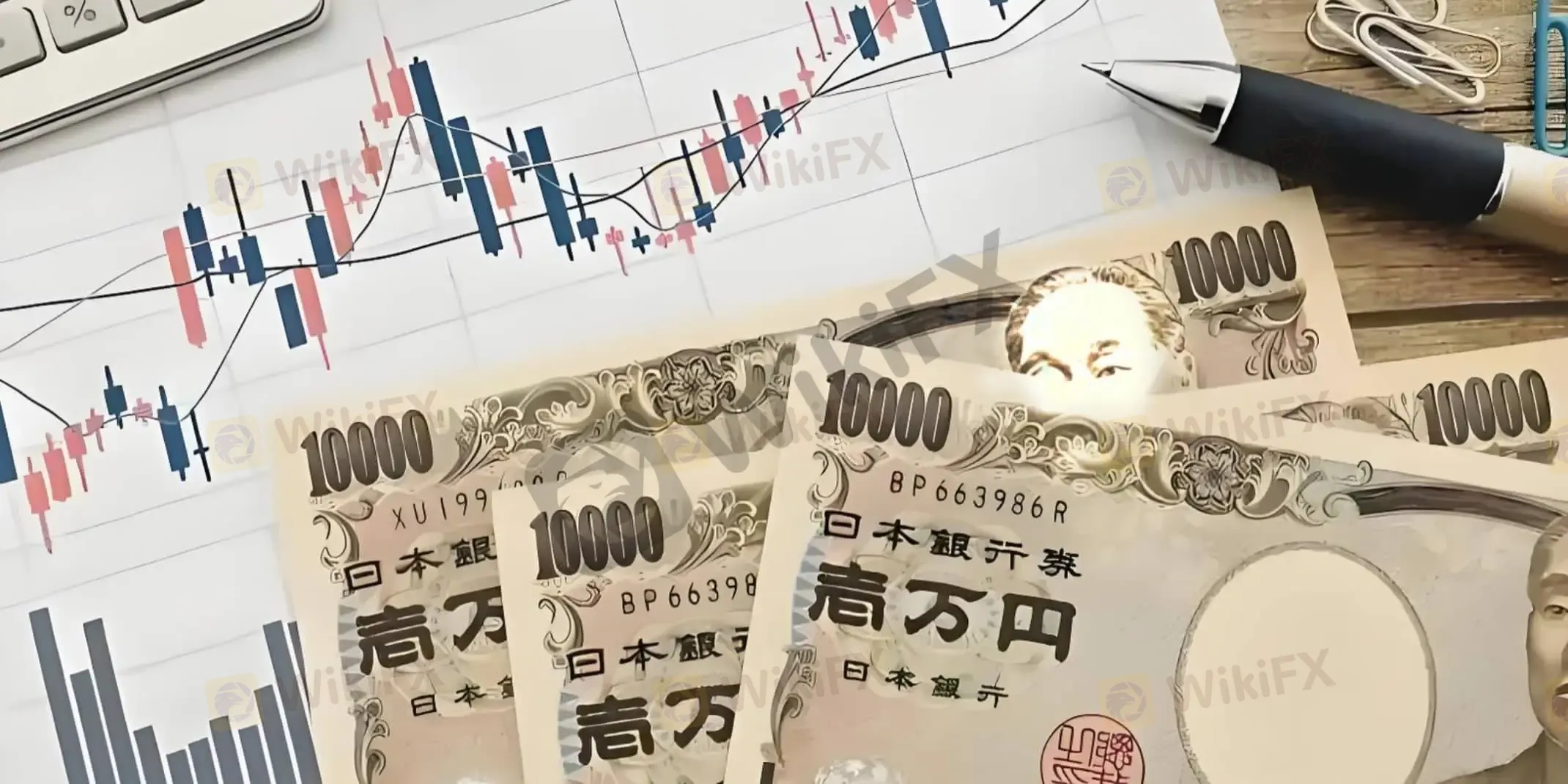
The Japanese government has recently intensified its vigilance toward the foreign exchange market once again. Atsushi Mimura, Japan‘s Vice Finance Minister for International Affairs, publicly stated that the Bank of Japan would not limit the number of currency interventions simply because of international rules. As long as clear speculative activity emerges in the market, authorities will retain the flexibility to step in at any time. Behind these remarks lies Tokyo’s growing sensitivity toward the recent increase in market volatility.
Compared with the more ambiguous tone used in the past, Japanese officials delivered a far more direct message this time. Mimura noted that Japan‘s financial authorities are currently in almost daily communication with the US Treasury Department, adding that Washington fully understands Japan’s position. Although he did not explicitly confirm whether Tokyo had recently intervened in the currency market, market participants generally believe Japanese authorities are actively strengthening coordination with the United States in order to avoid future policy misjudgments or diplomatic friction.
According to multiple reports, US Treasury Secretary Scott Bessent is set to begin a three-day visit to Tokyo. During the trip, in addition to meeting Japanese Prime Minister Sanae Takaichi, he is also expected to hold talks with Finance Minister Satsuki Katayama and Bank of Japan Governor Kazuo Ueda. Market volatility, the communication framework between Japan and the United States regarding exchange rate stability, as well as global financial risks stemming from Middle East tensions, are all widely expected to become key discussion topics.
In reality, after the yen previously appreciated rapidly to recent highs, abnormal volatility began appearing during certain trading sessions, leading markets to suspect that Tokyo may already have intervened behind the scenes. Some analytical institutions estimate that Japan may have used roughly USD 34.5 billion last week to stabilize the currency market, which would mark the first time since the summer of 2024 that Japan has been suspected of conducting large-scale intervention again.
However, Japanese officials have consistently refused to directly confirm any intervention activity. Both Satsuki Katayama and Atsushi Mimura avoided answering questions about whether Tokyo had entered the market, only emphasizing that authorities would continue closely monitoring market developments. In many ways, this has long been one of Japans preferred strategies. Officials aim to suppress speculative trading through verbal warnings while avoiding prematurely exposing their actual intervention timing or policy boundaries to the market.
At the same time, international debate surrounding the frequency of Japans currency interventions has started to intensify again. The International Monetary Fund imposes certain expectations on countries operating under free-floating exchange rate systems, and frequent short-term intervention could potentially trigger controversy. However, Mimura downplayed such concerns. He stressed that operating under a free-floating exchange rate regime does not mean the government loses the right to intervene, and that the IMF framework itself does not impose any fixed limit on the number of interventions Japan may conduct. In other words, as long as Tokyo believes speculative imbalances are becoming excessive, authorities still retain room to take action.
Looking ahead, communication between Japan and the United States regarding exchange rate issues is likely to become even more frequent. Japan needs to prevent excessive speculation from disrupting financial stability, while the United States also does not want exchange rate tensions to create new friction among allies. Against the backdrop of ongoing Middle East tensions, volatile global energy prices, and instability in the US Treasury market, coordination among major financial authorities around the world will likely continue to strengthen. From the perspective of FXTRADING, Japans recent escalation of verbal warnings and its emphasis on maintaining high-frequency communication with the United States indicate that Tokyo is now placing greater importance on financial stability and market order management. In the period ahead, coordination among the Japanese government, the Ministry of Finance, and the Bank of Japan may become increasingly close, while interaction among major global economies surrounding capital flows, financial risks, and policy coordination could also enter a new phase.
Disclaimer:
The views in this article only represent the author's personal views, and do not constitute investment advice on this platform. This platform does not guarantee the accuracy, completeness and timeliness of the information in the article, and will not be liable for any loss caused by the use of or reliance on the information in the article.
WikiFX Broker
Latest News
TRANS X MARKETS Review 2026: Unregulated Status and Serious Withdrawal Complaints
 WikiFX
RyvoTrade Review 2026: Unregulated Status and Withdrawal Complaints
WikiFXPhillip Nova Review 2026: Should You Trade with This Broker?
WikiFXGFS Review 2026: Withdrawal Complaints, Weak Regulation Data, and Account Access Risks
WikiFXYen Firms While Dollar Pauses
WikiFXStoneX Review 2026: Should You Trade with This Broker?
WikiFXThinking About KATOPRIME? What Every Trader Should Know Before Depositing Funds
WikiFXYour Backtesting Results Mean Nothing If You Ignore This One Live Trading Reality
WikiFXHow Pig Butchering Scams Drain Beginner Trading Accounts
WikiFXWeltrade Review 2026: Is This Forex Broker Safe?
WikiFX