Global Broker Regulation Inquiry App
About WikiFX


Chinese Envoy Warns EU Over Chip Export Curbs, Raising Trade Tensions

WikiFX
|


Abstract:China has warned that restrictions on semiconductor technology exports could prompt a response from Beijing, adding strain to trade and investment ties with Europe.
China has warned that restrictions on semiconductor technology exports could prompt a response from Beijing, adding strain to trade and investment ties with Europe.
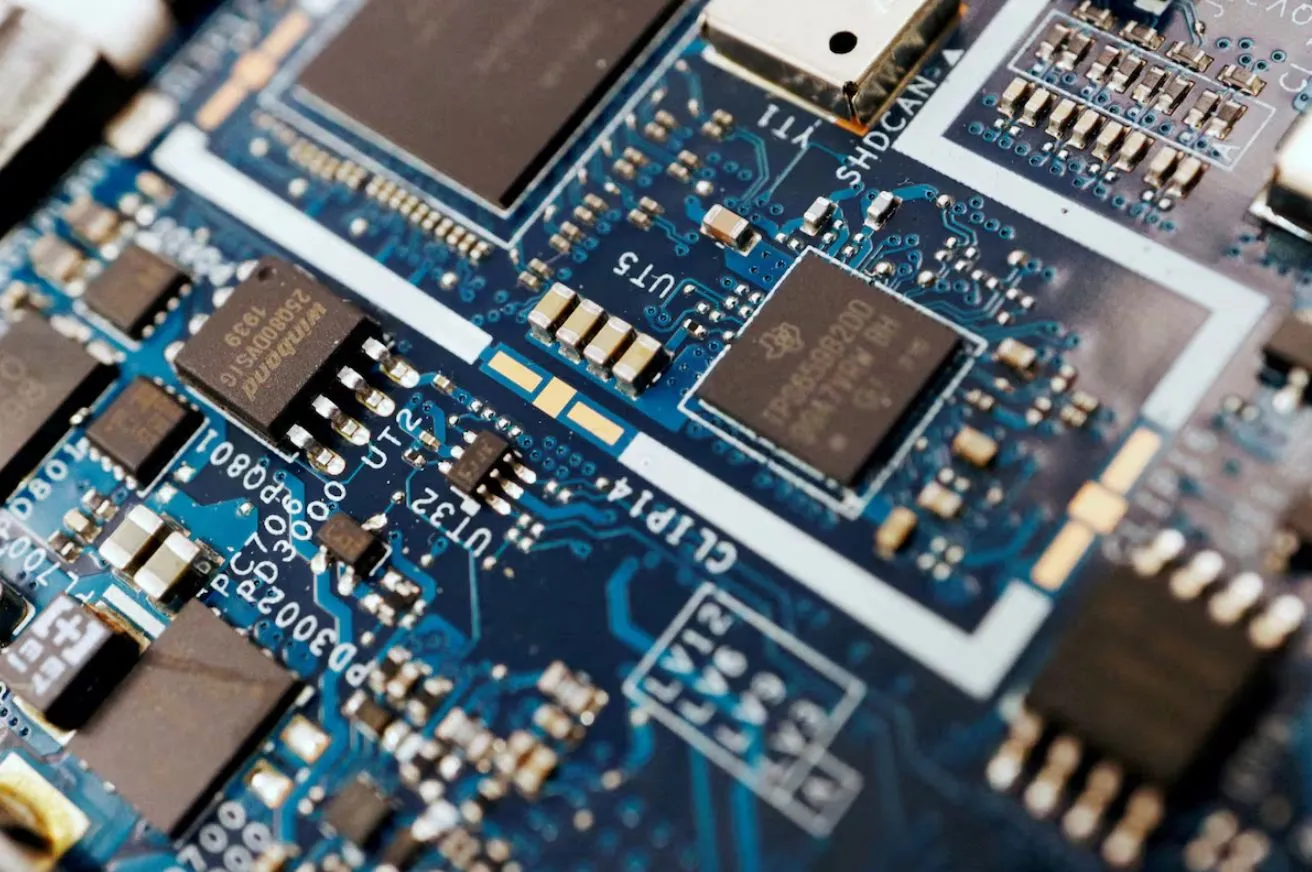
China wants greater access to European semiconductor technology and expects the European Union to make its own decisions on trade restrictions rather than follow Washington's lead, a Chinese diplomat said.
The Netherlands has restricted exports of advanced chipmaking equipment produced by ASML since 2019. Washington is now pushing for further restrictions covering less advanced machines, arguing that these could also help China expand its semiconductor manufacturing capabilities.
Any broader controls could affect ASML as well as Japanese equipment manufacturer Tokyo Electron. However, it remains unclear whether the US Congress will extend the proposed restrictions to these companies.
Qu Xun, China's minister-counsellor in Madrid, said Beijing wanted the EU to resist pressure from Washington and allow European companies to decide independently which products they could sell.
"We want the European Union to make its own decisions and not follow the instructions of others," Qu told Reuters.
China wants to import ASML equipment, he said, but the technology currently available to Chinese buyers is already generations behind the latest machines. He also warned that European concerns over technology transfers could prompt Beijing to reconsider its own approach.
"If Europe thinks that way, China will too," Qu said.

Trade Negotiations Face More Obstacles
The dispute comes ahead of renewed trade discussions between Brussels and Beijing next year. EU trade chief Maros Sefcovic and Chinese Commerce Minister Wang Wentao are expected to resume talks following an October agreement on quotas for Chinese hybrid vehicle exports.
However, disagreements over market access remain unresolved. European proposals to introduce local content requirements, technology transfer obligations and restrictions on foreign ownership have drawn criticism from Chinese businesses, particularly in the electric vehicle and battery industries.
Qu said technology transfer had long been a pillar of China's foreign investment strategy, but Beijing expected European companies to receive comparable treatment.
"China is not looking to eat up the European market. We are seeking a fair, non-discriminatory position, based on equality and reciprocity," he said.
China was capable of withstanding a further deterioration in relations if its companies were not treated fairly, he added.
Spain Remains a Long-Term Investment Target
Despite the trade friction, Chinese companies continue to view Spain as an important base for expanding their European operations.
Chinese investment stock in Spain has tripled over the past decade to around 12 billion euros ($13.2 billion). Automakers SAIC and Chery, along with battery manufacturers CATL and AESC, have established operations or entered partnerships with local companies.
New investment may take time, however. Chinese companies are waiting two to three years to assess the performance of existing projects before making further commitments, Qu said.
He also dismissed concerns that Spain's upcoming election would significantly change bilateral relations. The opposition People's Party has described China as a "systemic rival", a term also used by the EU, but Qu said Beijing judged political parties by their actions rather than their rhetoric.
"Spain has many advantages... We aren't coming here for half a year – we are coming for the next 20, 30, 50 years," he said.
Disclaimer:
The views in this article only represent the author's personal views, and do not constitute investment advice on this platform. This platform does not guarantee the accuracy, completeness and timeliness of the information in the article, and will not be liable for any loss caused by the use of or reliance on the information in the article.
WikiFX Broker
Latest News
UK Fraud Office Charges Eight Over London Capital & Finance Collapse
WikiFXGold Reclaims $4,000 as AI Stock Rout Revives the Hard-Asset Debate
WikiFXVietnam Jails 'Mr Pips' for Life as Forex Fraud Losses Reach US$60 Million
WikiFXAngel One Review 2026: Are Traders Disappointed? Read This to Know
WikiFXFive EU Countries Plan Rwanda Deportation Hub for Rejected Asylum Seekers
WikiFXeToro Review 2026: Traders Allege Platform Errors Behind Unexpected Losses
WikiFXHungarian authorities seize nearly $20 million in cash buried in forests
WikiFXWhat I Am Watching Today – EUR/USD, USD/CAD, USD/JPY, and GBP/USD
WikiFXU.S. Dollar Pulls Back Amid Profit-Taking: Analysis For EUR/USD, GBP/USD, USD/CAD, USD/JPY
WikiFXEUR/USD Weekly Forecast: Dollar Strength Pushes Euro to a One-Year Low as 1.0952 Comes Into Focus
WikiFX