Breaking: USD/JPY Breaks Through 1 Year Highs
USD/JPY just broke through 1-year highs earlier than expected.



USD/JPY just broke through 1-year highs earlier than expected.
A Good Week For the US Dollar As It Gains Strongly Against Other Major Pairs.
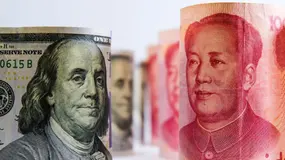
Performance like this hasn't been seen since 2021

The EUR/USD pair ended the week in the red last week as many investors remained in a holiday mood. It was trading at 1.1720, down slightly from last year’s high of 1.1910 ahead of key events this week.

What has happened to the U.S. dollar in 2025, and what can we expect in 2026?
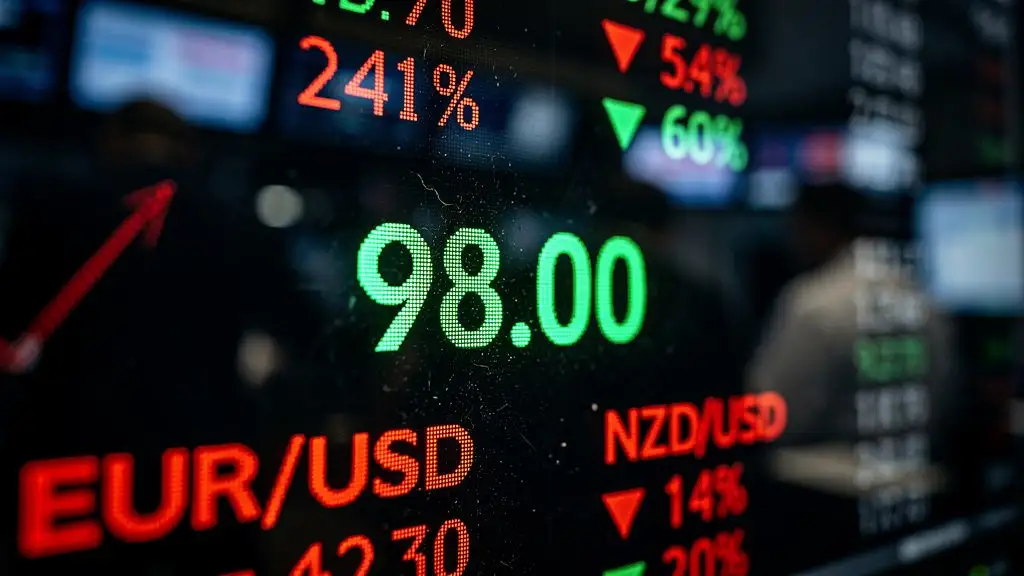
The US Dollar Index (DXY) remains steady near 98.00, supported by a mix of technical recovery and external currency weakness. While markets await definitive signals on the Fed's 2026 cutting cycle, technical breakdowns in major peers are driving price action.
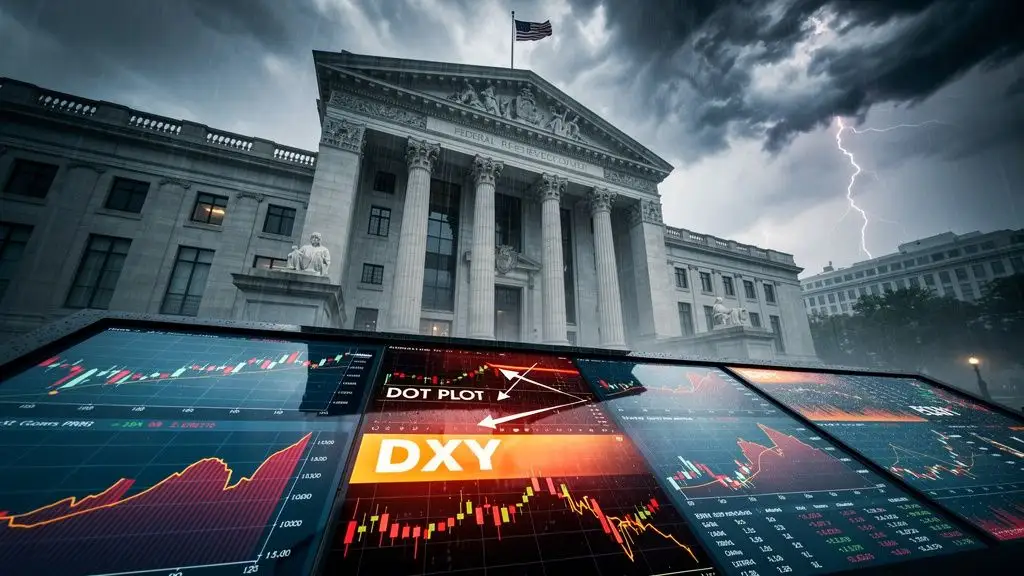
The divergence between Federal Reserve guidance and market pricing is widening as traders position for 2026, setting the stage for significant volatility in the US Dollar. While the Fed’s latest dot plot conservatively suggests a single 25-basis-point rate cut in 2026, major financial institutions—including Goldman Sachs and Citi—are pricing in a more aggressive easing cycle of 50 to 75 basis points.

The market capitalization of the six largest US banks surged by approximately $600 billion in 2025, driven by a dual tailwind of financial deregulation and a resurgence in investment banking. This rally has widened the valuation divergence between American lenders and their European counterparts, reinforcing a theme of US financial exceptionalism that continues to influence global capital flows.

Global diplomatic tensions spiked on Wednesday as a coalition of 14 nations—including the UK, France, Germany, and Japan—issued a rare joint statement condemning Israel's approval of new settlements in the West Bank. The diplomatic rift comes at a critical juncture, threatening to derail the fragile ceasefire negotiations in Gaza.

US equities touched fresh record highs on Christmas Eve, driven by a resilient "Santa Rally" narrative, yet digging beneath the surface reveals a stark divergence between asset prices and the real economy. While the S&P 500 breached the 6,900 resistance level, fresh data indicates US consumer confidence has crumbled to a five-month low, complicating the Federal Reserve’s policy path heading into 2026.
It has been a bearish year for the US dollar, but the biggest surprise has been the USD/JPY pair for me in the FX space. By Christmas eve, the Dollar Index (DXY) was down 9.6% year-to-date, trading around 98.00, its weakest level since 2022.

Despite frequent “de-dollarization” headlines, the U.S. dollar remains unrivaled due to unmatched market depth, global usability, and trusted legal/institutional frameworks. Crypto and other currencies (euro, yuan) lack the stability, convertibility, and infrastructure required to replace the USD, while the Fed’s credibility and the scale of U.S. financial markets continue to anchor demand. Bottom line: no alternative currently offers a complete, credible substitute for the dollar’s global role.

With economic shifts, central bank policies, and geopolitical events shaping currency movements, 2025 presents a mix of opportunities and risks. Whether you're a beginner or an experienced trader, selecting the most reliable and profitable pairs can boost your trading performance.

Wondering how much time you have to trade currencies in the Indian foreign exchange market? Can you do it during the daytime or at your convenience? You have got all your answers here. In this article, we have covered the forex trading time in India. Read on!

Currency pairs play a crucial role in forex trading. To effectively participate in the forex market, it's important to understand which currency pairs are most relevant in your country. For traders in India, knowing the actively traded currency pairs is essential.

Exchange rates are constantly changing; they fluctuate based on trading volume, market sentiment, and several other factors. These fluctuations can raise concerns for you if they don’t turn out as expected. That’s why many like you are resorting to a cover rate forex strategy to hedge against currency fluctuations. Read on to learn more about it.

Gold prices rebounded on July 1 owing to a declining US dollar and mounting concerns over US trade tariffs. Investors resorted to the yellow metal as key US economic and policy data is about to be made public.

Recent developments include President Biden's potential re-election reconsideration, Asia-Pacific market highs, PwC's auditing issues in China, potential acquisitions in the energy and retail sectors, geopolitical tensions, and regulatory actions impacting markets. Key impacts include fluctuations in USD, CNY, CAD, TWD, EUR, GBP, and AUD, with significant effects on stock markets across the US, Asia, and Europe.

Recent developments include President Biden's potential re-election reconsideration, Asia-Pacific market highs, PwC's auditing issues in China, potential acquisitions in the energy and retail sectors, geopolitical tensions, and regulatory actions impacting markets. Key impacts include fluctuations in USD, CNY, CAD, TWD, EUR, GBP, and AUD, with significant effects on stock markets across the US, Asia, and Europe.

Top 5 things to watch in markets in the week ahead
 WikiFXWikiFXWikiFXWikiFXWikiFXWikiFXWikiFXWikiFXWikiFXWikiFX