

Global Broker Regulation Inquiry App
About WikiFX
English
简体中文
繁體中文
English
Pусский
日本語
ภาษาไทย
Tiếng Việt
Bahasa Indonesia
Español
हिन्दी
Filippiiniläinen
Français
Deutsch
Português
Türkçe
한국어
العربية
اردو


FXTRADING Financial Focus (Asia-Pacific 07/27)Global Inflation Risks Rise


Abstract:Global markets have recently shifted their focus back to inflation risks. As inflation had gradually eased across many economies, markets generally believed that major central banks were approaching t
Global markets have recently shifted their focus back to inflation risks. As inflation had gradually eased across many economies, markets generally believed that major central banks were approaching the end of their tightening cycles. However, the simultaneous surge in energy prices, expanding artificial intelligence investment, and escalating geopolitical tensions have changed that outlook. Investors are now reassessing the inflation outlook for the coming months, while uncertainty surrounding monetary policy has increased across major economies.
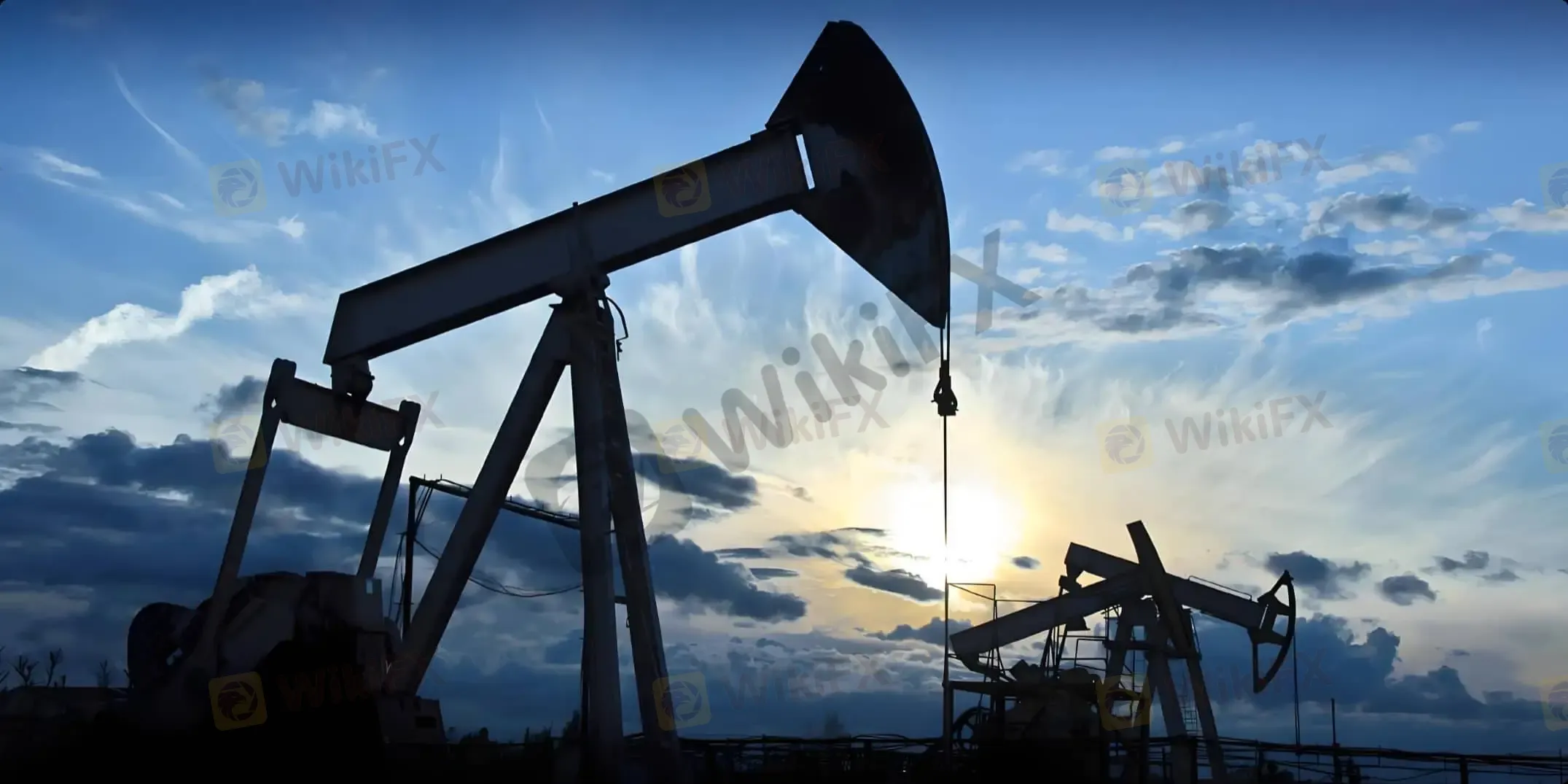
Energy prices have become the biggest source of inflationary pressure. Ongoing tensions in the Middle East have raised concerns over the security of shipping routes through the Strait of Hormuz and the Red Sea, pushing international crude oil and natural gas prices higher. Rising energy costs not only increase fuel prices directly but may also feed through into transportation, manufacturing, and food prices, causing inflationary pressures that had previously eased to build up once again.
At the same time, the artificial intelligence industry has entered a new investment cycle, adding further cost pressures. Major technology companies continue to expand investments in data centers, chips, and computing infrastructure, keeping demand for advanced semiconductors and memory products strong while supply chains remain tight. Some companies have already begun passing higher costs on to customers through price increases, suggesting that the inflationary impact of AI-related investment is gradually emerging and could become an important driver of core inflation in the future.
In response to these renewed inflation risks, central banks have adopted a more cautious policy stance. The Federal Reserve, the Bank of England, and the Bank of Japan are all scheduled to announce their latest policy decisions, with markets widely expecting no immediate interest rate changes. However, policymakers are increasingly focusing on developments in energy prices and core inflation. Although the European Central Bank kept interest rates unchanged, it stated that it would continue assessing the impact of energy shocks on overall inflation, leaving room for future policy adjustments.
Financial markets have already begun pricing in these developments. Global bond yields have continued to rise, with long-term UK government bond yields remaining elevated and US Treasury yields approaching their highest levels in recent years, reflecting expectations that higher interest rates may persist for longer. Meanwhile, risk appetite in equity markets has softened as investors increasingly focus on the impact of inflation and financing costs rather than relying solely on economic growth expectations.
If energy prices remain elevated while investment in artificial intelligence continues to expand rapidly, corporate production costs and capital expenditures could rise further. Under such circumstances, central banks will face greater challenges in balancing inflation control with economic growth. Prolonged high financing costs could also weigh on global consumption, business investment, and the pace of economic recovery, while market volatility is likely to remain elevated.
From FXTRADING's perspective, market attention is gradually shifting from easing inflation toward a new round of cost-push inflation. Energy prices, artificial intelligence investment, and geopolitical developments remain the three key factors shaping future inflation expectations and will continue to influence central bank policy decisions. Going forward, investors should closely monitor developments in energy markets, corporate capital expenditure, and central banks' latest assessments of inflation risks, as these factors will continue to determine the pace of the global economy.

Disclaimer:
The views in this article only represent the author's personal views, and do not constitute investment advice on this platform. This platform does not guarantee the accuracy, completeness and timeliness of the information in the article, and will not be liable for any loss caused by the use of or reliance on the information in the article.
WikiFX Broker
Latest News
Kudotrade Review 2026: Reported Slippage & Trade Execution Issues You Should Know
 WikiFX
EURUSD | Demand Zone Holding, Bulls Eyeing Higher Resistance
WikiFXEUR/USD: Bearish Structure Shift
WikiFXFxPro Opens Five CFDs To Weekend Trading
WikiFXValutrades Rejects Exit Rumors Amid Client Review
WikiFXFxPro Adds Weekend Trading for Five CFD Markets
WikiFXYen Speculators Turn Net Long as USD/JPY Holds Near Seven-Month Low
WikiFX1MDB Recovery Still Leaves RM20 Billion Burden
WikiFXMalaysia Pursues RM4.2 Billion Claim Against Singapore's DBS Bank
WikiFX