

Global Broker Regulation Inquiry App
About WikiFX
English
简体中文
繁體中文
English
Pусский
日本語
ภาษาไทย
Tiếng Việt
Bahasa Indonesia
Español
हिन्दी
Filippiiniläinen
Français
Deutsch
Português
Türkçe
한국어
العربية
اردو


FXTRADING Financial Focus (Asia-Pacific 07/15) AI Drives Korea's Recovery


Abstract: The South Korean government has raised its economic growth forecast for this year, signaling that the recovery has been significantly stronger than expected at the beginning of the year. The
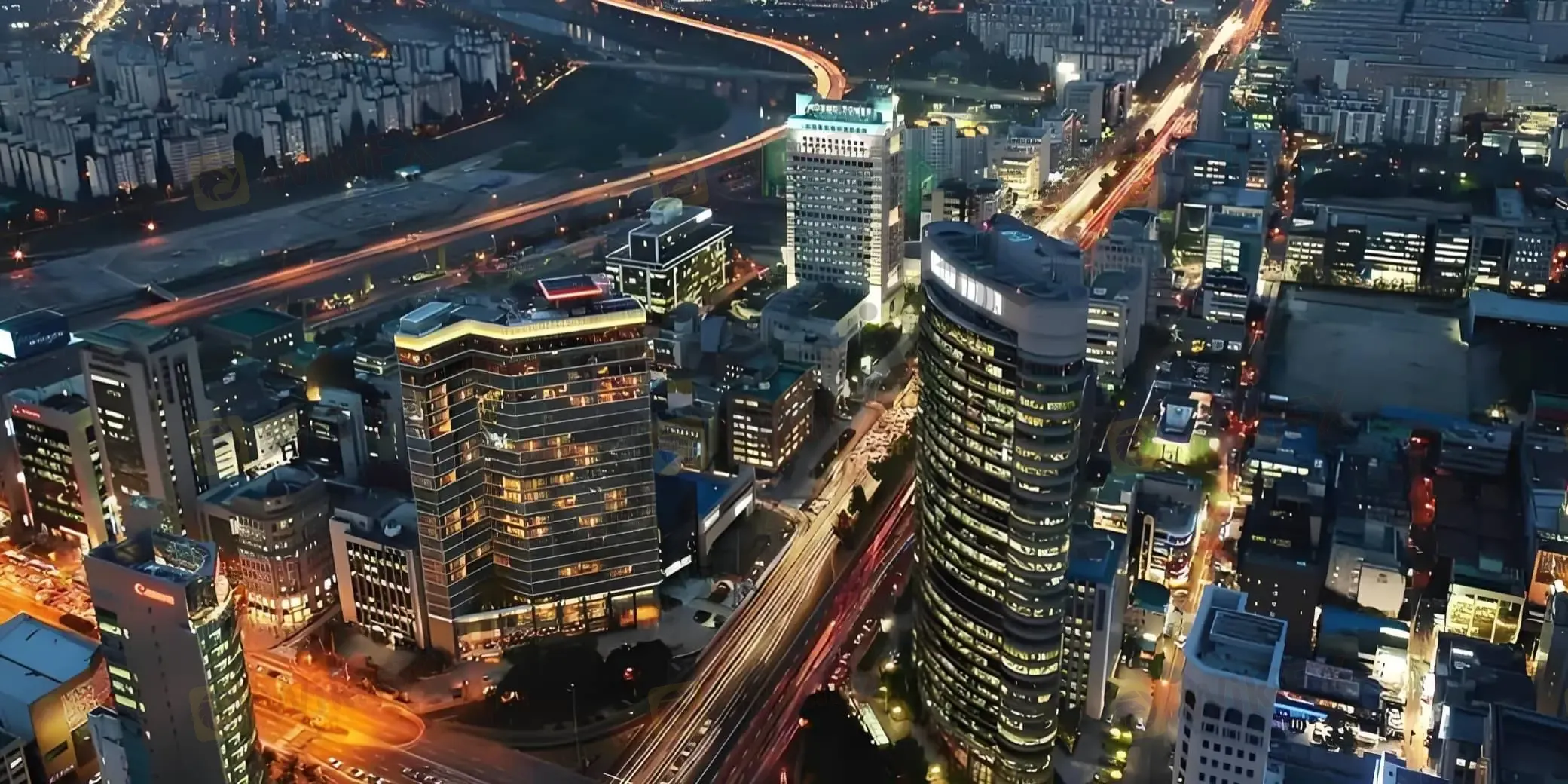
The South Korean government has raised its economic growth forecast for this year, signaling that the recovery has been significantly stronger than expected at the beginning of the year. The Ministry of Economy and Finance now expects the economy to expand by 3.0% in 2026, up from its previous forecast of 2.0% and well above last year's 1.1% growth. Officials attributed the stronger outlook to improving exports, fiscal stimulus, and the continued expansion of high-tech industries.
The semiconductor sector remains the primary driver of this recovery. As global artificial intelligence adoption accelerates, demand for high-performance chips continues to rise, supporting robust semiconductor exports and improving South Korea's overall trade performance. The government also plans to expand semiconductor production capacity, build more AI data centers, and promote emerging industries such as physical AI to strengthen the country's position in the global technology supply chain.
Fiscal policy has also provided strong support for the economy. To cushion the impact of geopolitical tensions in the Middle East, the government introduced a supplementary budget aimed at supporting businesses and household consumption. The finance ministry expects exports to remain the main engine of growth this year, while the current account surplus is projected to reach USD 290 billion, substantially higher than the previous estimate of USD 135 billion, highlighting the resilience of external demand.
Despite stronger economic growth, inflationary pressures remain. The Ministry of Economy and Finance raised its 2026 consumer inflation forecast from 2.1% to 2.6%. Although lower oil prices are expected to ease overall inflationary pressures in the second half of the year, energy costs, agricultural supply conditions, and weather-related factors could still generate renewed price volatility.
Markets are also closely watching the Bank of Korea's upcoming policy meeting. Most analysts expect the central bank to begin a gradual policy tightening cycle, with inflation remaining above its 2% target. Rising household debt and continued resilience in the housing market have further strengthened the case for containing inflation and safeguarding financial stability.
Looking ahead, the South Korean government remains cautiously optimistic, forecasting both economic growth and inflation to moderate to 2.2% in 2027. This suggests that the current recovery is largely being driven by technology industries and exports, while sustaining long-term growth will require continued investment and industrial upgrading.
From FXTRADING's perspective, South Korea's decision to raise both its economic growth and inflation forecasts highlights that the AI-driven semiconductor expansion cycle remains intact and underscores the increasingly important role of the technology sector in supporting economic growth. Continued investment in semiconductor production and AI infrastructure is likely to further stimulate manufacturing and related industries. However, the sustainability of South Korea's recovery will still depend on global demand, geopolitical developments, and fluctuations in energy prices.
(For more insights into global macroeconomic trends and market developments, please follow FXTRADINGs official updates. This information is provided for reference only and does not constitute any form of investment advice.)
Disclaimer:
The views in this article only represent the author's personal views, and do not constitute investment advice on this platform. This platform does not guarantee the accuracy, completeness and timeliness of the information in the article, and will not be liable for any loss caused by the use of or reliance on the information in the article.
WikiFX Broker
Latest News
EURUSD | Demand Zone Holding, Bulls Eyeing Higher Resistance
 WikiFX
EUR/USD: Bearish Structure Shift
WikiFXKudotrade Review 2026: Reported Slippage & Trade Execution Issues You Should Know
WikiFXValutrades Rejects Exit Rumors Amid Client Review
WikiFXFxPro Opens Five CFDs To Weekend Trading
WikiFXMalaysia To Host Asia Fintech Regulatory Summit
WikiFXSEC Alleges $16 Million Ponzi Scheme Targeted 200 Investors
WikiFXFX Trading Share Falls Sharply Across Retail CFD Market
WikiFXIG Faces Hundreds Of Job Cuts In Global Restructure
WikiFXWeekend CFD Trading Moves Beyond Gold as Brokers Add Oil, Silver and Indices
WikiFX