

Global Broker Regulation Inquiry App
About WikiFX
English
简体中文
繁體中文
English
Pусский
日本語
ภาษาไทย
Tiếng Việt
Bahasa Indonesia
Español
हिन्दी
Filippiiniläinen
Français
Deutsch
Português
Türkçe
한국어
العربية
اردو

FXTRADING Financial Focus (Asia-Pacific 05/11)US Court Blocks Trump Tariffs Again
Abstract:The US federal judiciary has once again stepped in to halt the Trump administration‘s tariff agenda. A panel of judges at the US Court of International Trade ruled that the 10% blanket import tariffs
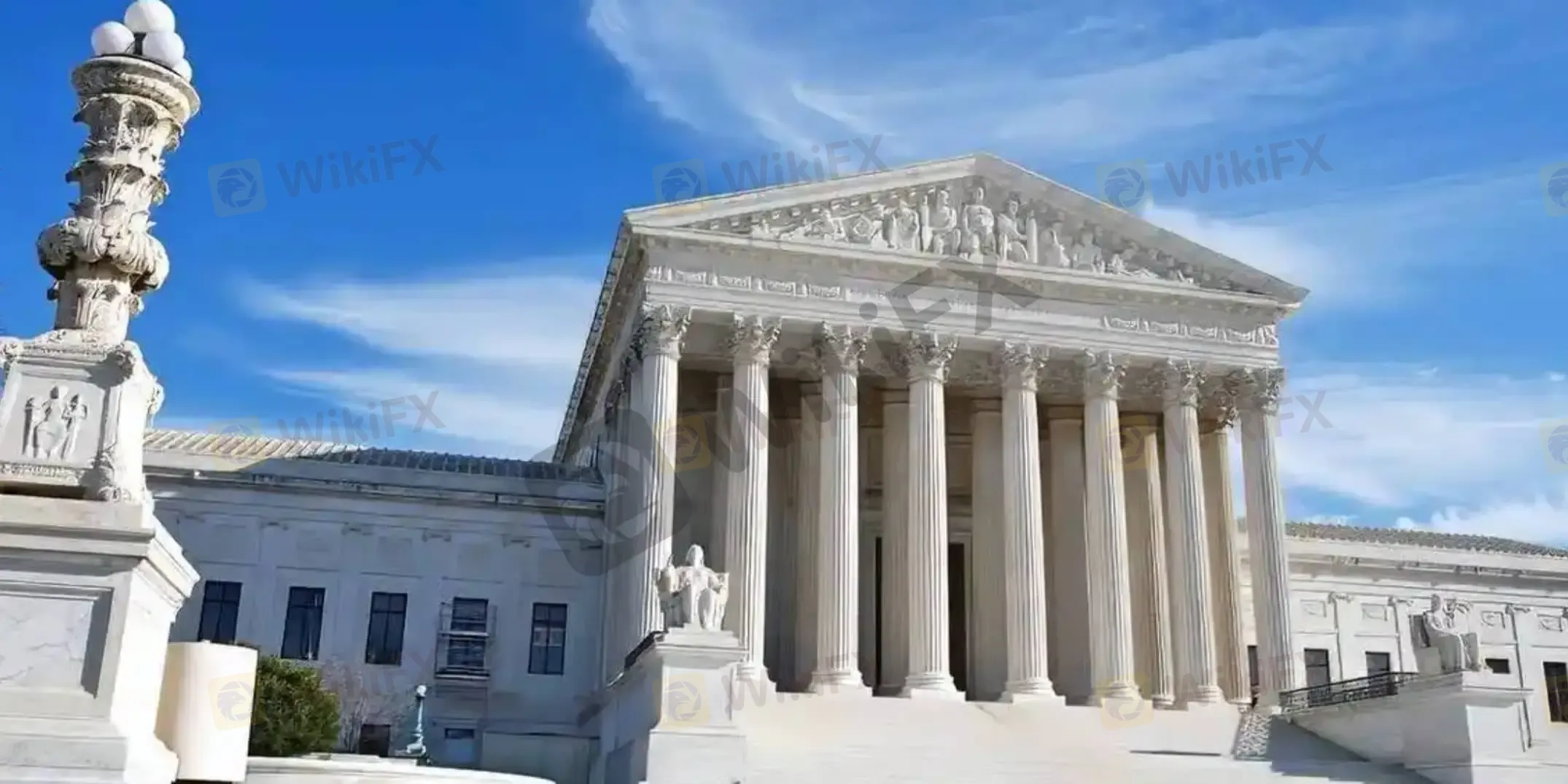
The US federal judiciary has once again stepped in to halt the Trump administration‘s tariff agenda. A panel of judges at the US Court of International Trade ruled that the 10% blanket import tariffs imposed by the Trump administration since February were not supported under existing legal authority. The decision marks another major legal setback for the White House’s attempt to bypass Congress and directly expand its trade war toolkit.
The court argued that the Trump administration had incorrectly relied on Section 122 of the Trade Act of 1974. The provision has rarely been used for decades and was originally created to address potential international payment crises during the era when the US dollar was still linked to gold. At the time, Congress feared that if the US suffered a severe balance-of-payments crisis, the president might need temporary emergency trade measures. As a result, the law allowed tariffs of up to 15% for a maximum period of 150 days.
The issue, however, is that todays economic environment is entirely different from that era. The dollar system has long since moved away from the gold standard, and the United States no longer faces a legally defined international payments crisis. Several state governments and small business groups argued that the White House did not meet the legal conditions required to invoke Section 122, yet still imposed broad tariffs on most imported goods, effectively expanding the boundaries of presidential power.
In reality, this is not the first time Trumps tariff framework has been rejected by the courts. Earlier this spring, the US Supreme Court had already ruled that a previous round of broad punitive tariffs lacked sufficient legal basis. Following that decision, the White House did not abandon its strategy. Instead, it quickly searched for an alternative legal route and revived Section 122 in an effort to continue pushing a wider protectionist trade agenda.
The White House will most likely continue appealing in hopes of overturning the Court of International Trade‘s ruling. Trump has long viewed tariffs as a core economic tool, aiming to use them to bring manufacturing back to the United States, reduce trade deficits, and increase government revenue. If the courts ultimately strike down the policy entirely, Trump’s ability to pursue higher tariffs and expand trade barriers in the future would be significantly restricted.
More immediate pressure may come from the financial side. If the government ultimately loses the case, the US Treasury could be forced to refund a substantial amount of tariff revenue collected since February 20. A previous round of tariffs that was also ruled unlawful already involved roughly $166 billion, with refund procedures currently underway. Now another tariff program is facing similar legal risks, which could not only increase fiscal pressure but also further damage business confidence in the stability of US trade policy.
Going forward, it may become considerably harder for future US presidents to launch sweeping tariff wars through “national emergency” declarations or special trade provisions without explicit congressional approval. This ruling effectively reaffirms that trade policy is not an area where presidential authority can expand without limits. At the same time, debates within the United States over trade protectionism, manufacturing reshoring, and the boundaries of executive power are likely to intensify further. Especially during election cycles, tariffs will probably remain a major political weapon in domestic power struggles. From FXTRADING‘s perspective, the most important aspect of this ruling is not Trump’s personal political gains or losses, but rather the renewed institutional limits being placed on presidential economic power within the US system itself. Over the past several years, American trade policy has increasingly relied on executive orders, but with the judiciary now becoming more actively involved, uncertainty surrounding future large-scale US trade policies may actually rise further. For businesses and global supply chains, the challenge ahead will no longer be just about tariff levels, but also the long-term instability created by constantly shifting US policy directions.
(For more insights into global macroeconomic trends and market developments, please follow FXTRADINGs official updates. This information is provided for reference only and does not constitute any form of investment advice.)
Disclaimer:
The views in this article only represent the author's personal views, and do not constitute investment advice on this platform. This platform does not guarantee the accuracy, completeness and timeliness of the information in the article, and will not be liable for any loss caused by the use of or reliance on the information in the article.
WikiFX Broker
Latest News
TRANS X MARKETS Review 2026: Unregulated Status and Serious Withdrawal Complaints
 WikiFX
RyvoTrade Review 2026: Unregulated Status and Withdrawal Complaints
WikiFXPhillip Nova Review 2026: Should You Trade with This Broker?
WikiFXGFS Review 2026: Withdrawal Complaints, Weak Regulation Data, and Account Access Risks
WikiFXYen Firms While Dollar Pauses
WikiFXStoneX Review 2026: Should You Trade with This Broker?
WikiFXThinking About KATOPRIME? What Every Trader Should Know Before Depositing Funds
WikiFXYour Backtesting Results Mean Nothing If You Ignore This One Live Trading Reality
WikiFXHow Pig Butchering Scams Drain Beginner Trading Accounts
WikiFXWeltrade Review 2026: Is This Forex Broker Safe?
WikiFX