


Global Broker Regulation Inquiry App
About WikiFX
English
简体中文
繁體中文
English
Pусский
日本語
ภาษาไทย
Tiếng Việt
Bahasa Indonesia
Español
हिन्दी
Filippiiniläinen
Français
Deutsch
Português
Türkçe
한국어
العربية
اردو
FXTRADING Financial Focus (Asia-Pacific 04/28)Washington Shooting Raises U.S. Risk
Abstract:On Saturday evening last week, what was meant to be a relaxed social gathering was suddenly disrupted. At the Washington Hilton in downtown Washington, the White House Correspondents‘ Association annu
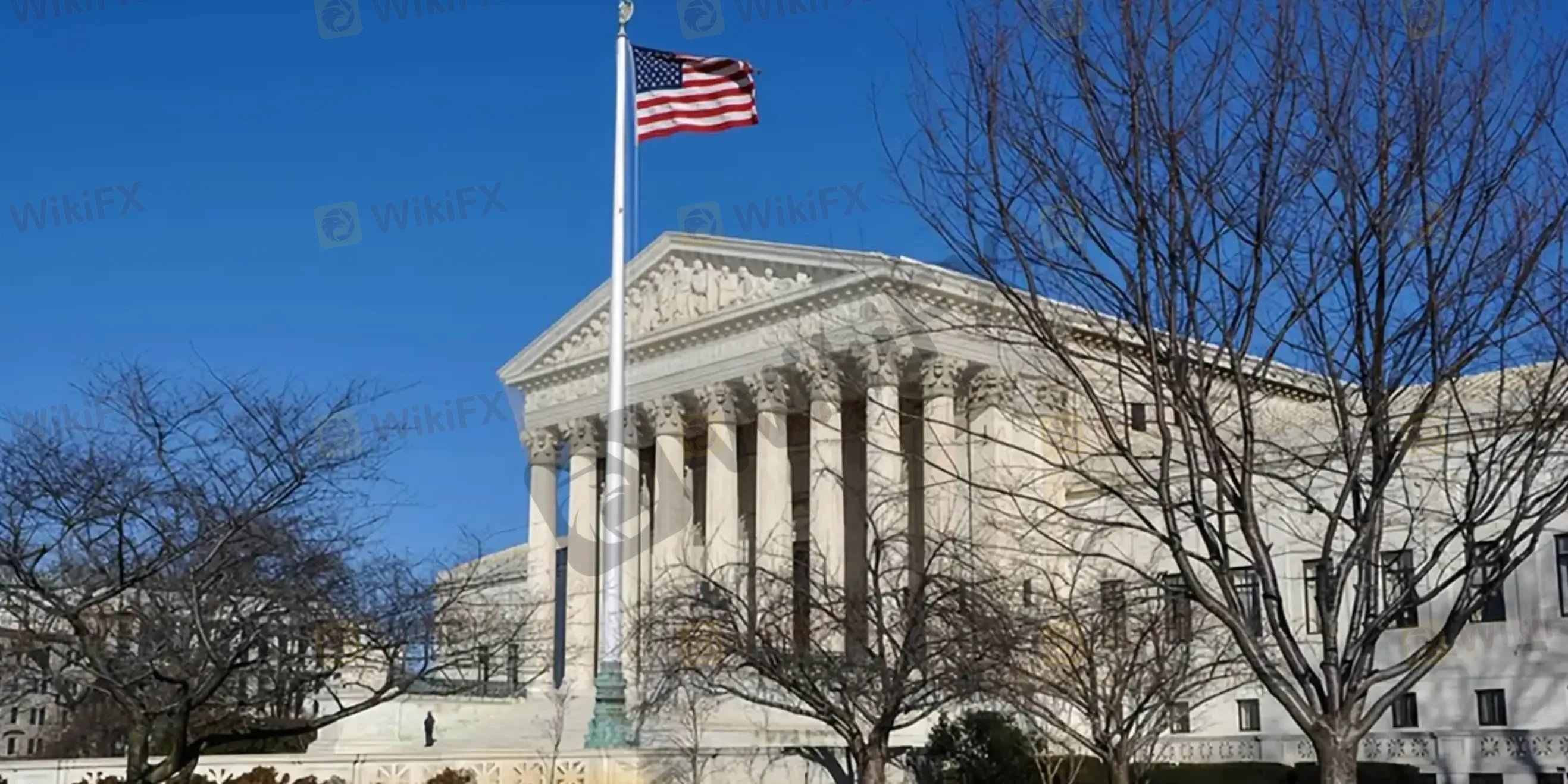
On Saturday evening last week, what was meant to be a relaxed social gathering was suddenly disrupted. At the Washington Hilton in downtown Washington, the White House Correspondents‘ Association annual dinner was underway, with thousands of political figures, media representatives, and social elites in attendance. However, during the event, a sudden shooting incident shattered the order of the venue and quickly drew attention to the integrity of the United States’ core security system.
According to subsequent disclosures, the individual involved was also staying at the hotel at the time and was carrying multiple weapons, including a shotgun, a handgun, and knives. This detail is particularly critical, as although strict security checks were implemented at the underground banquet hall, the hotel itself remained open to regular guests, who could access public areas with valid tickets. There was a clear separation between perimeter security and the core event space, a structure that became a potential vulnerability during periods of elevated risk.
On the night of the incident, the attendee lineup was extremely dense, including high-ranking officials such as Donald Trump and J.D. Vance, along with key figures from diplomatic, financial, and defense sectors. While many officials were accompanied by their own security teams, the overlap of multiple security systems operating within the same space exposed inconsistencies in coordination during the emergency.
Based on reconstructed surveillance footage, the gunman briefly entered the security screening area and opened fire on a duty agent before being quickly subdued. Although the response was relatively swift, the incident itself indicated that the threat had not been confined to the outer perimeter but had already reached the core layer of security. At the same time, reactions within the banquet hall varied significantly. Some security personnel immediately took protective action, lowering officials and shielding them with their bodies, while others sought evacuation routes in the crowded environment, leading to temporary disorder at the scene.
The atmosphere inside the hall shifted abruptly. Guests seated in the front rows were still dining as usual, while those in the back had already heard gunshots. Some instinctively took cover under tables, while others remained in place amid uncertainty. The lack of synchronized information across different areas resulted in the absence of unified instructions in the short term, and this delay directly affected the efficiency of evacuation.
Following the incident, the U.S. Secret Service and local law enforcement swiftly intervened, and the scene was fully secured. Trump later delivered a statement from the White House, commending frontline personnel for their emergency response while also acknowledging the long-term security risks associated with the presidency. From a historical perspective, this venue has previously been linked to similar threats, with an attempted assassination decades ago still serving as a warning for the security system.
From a longer-term perspective, the domestic political climate in the United States remains highly polarized, with security risks in public events continuing to rise, particularly when issues involving foreign policy disputes are present. Demonstrators had also gathered outside the venue that evening. In balancing passage efficiency and security screening intensity, the organizers opted for faster entry flow, a decision now being re-evaluated in hindsight. From FXTRADINGs perspective, the significance of this incident extends beyond a single security lapse and instead reflects a broader concentration of systemic risks within U.S. society. Political division, social sentiment, and security frameworks are all under mounting strain simultaneously. If such uncertainties continue to recur, they are likely to exert persistent pressure on overall confidence.
Disclaimer:
The views in this article only represent the author's personal views, and do not constitute investment advice on this platform. This platform does not guarantee the accuracy, completeness and timeliness of the information in the article, and will not be liable for any loss caused by the use of or reliance on the information in the article.
WikiFX Broker
Latest News
CNMV Warns Against 10 Unauthorized Investment Platforms and Clone Firms
 WikiFX
Dollar Steadies As US Inflation Reaches 4.20%
WikiFXFrom Demo to Real Money: Overcoming the Fear of Holding Your First Live Trade
WikiFXWhy Market News and Spread Shocks Sweep Your Stop Loss
WikiFXHow to Place a Forex Stop Loss Using Market Volatility
WikiFXWhy Weekend Market Gaps and Swaps Destroy Beginner Accounts
WikiFXDollar Slips on Easing Middle East Tensions
WikiFXInstaForex Review 2026: Unverified Regulation, Complaints, and High-Leverage Risk
WikiFXMing Tak Review 2026: Regulation, Complaints, and Platform Access
WikiFXCrypto Scam Call Centre Dismantled in Penang as Authorities Intensify Fight Against Cross-Border Fra
WikiFXCurrency Calculator
USD

CNY
Current Rate:0
Enter amount
USD
Redeemable Amount
CNY
Calculate 