

Global Broker Regulation Inquiry App
About WikiFX
English
简体中文
繁體中文
English
Pусский
日本語
ภาษาไทย
Tiếng Việt
Bahasa Indonesia
Español
हिन्दी
Filippiiniläinen
Français
Deutsch
Português
Türkçe
한국어
العربية
اردو


Plus500 Review 2026: Is this Forex Broker Legit or a Scam?

WikiFX
|


Abstract:Plus500 is a strongly regulated broker with multiple Tier-1 licenses and a solid WikiFX score of 7.99. However, a recent spike in withdrawal complaints and the presence of fraudulent clone sites mean you must exercise extra caution when managing your funds.

Executive Summary (TL;DR): Plus500 is a highly regulated, veteran broker established in 2010 with massive global oversight. However, a recent surge in user complaints regarding withdrawal blocks and KYC verification loops means traders should tread carefully.
Before you find a Forex broker to trust with your hard-earned money, you need to look beyond the flashy advertisements. In this comprehensive review, we dive deep into the WikiFX database, where Plus500 currently holds a highly respectable score of 7.99 out of 10. But does a high score automatically guarantee a flawless trading experience? Let's break down the facts, explain exactly how this broker operates behind the scenes, and find out if it is the safest home for your investments.
 Contents
Question 1: Regulation & Safety: Is my money safe?
Forex regulation is the ultimate safety net for your funds, and Plus500 boasts an incredibly robust regulation profile. According to official data, they hold top-tier licenses globally, including strict oversight from the UK Financial Conduct Authority (FCA), Cyprus Securities and Exchange Commission (CySEC), and the Australian Securities and Investments Commission (ASIC). They maintain further oversight through MAS (Singapore), FMA (New Zealand), CIRO (Canada), and FSA (Japan), alongside offshore entities in Seychelles and the Bahamas.
What does this Tier-1 regulation status actually mean for you? Imagine a top-tier regulator like the FCA as a very strict security guard for your bank account. They mandate a rule called “Segregated Accounts.” This means your deposit must be kept in a completely separate bank account from the broker's corporate funds. If the broker goes bankrupt, they cannot touch your individual money to pay their debts.
Security Warning: While the broker itself is heavily regulated, you must stay incredibly vigilant. The FCA has issued two official alerts regarding fraudulent “clone” companies mimicking Plus500 (such as a fake website called `p500.online`). Scammers steal the official FCA license numbers to trick you. Always verify you are dealing with the genuine Plus500 entity.
Question 3: What are real traders complaining about?
Despite the elite oversight, WikiFX has received 34 user complaints against Plus500 in just the last 3 months. Let's look at what real traders are actually experiencing:
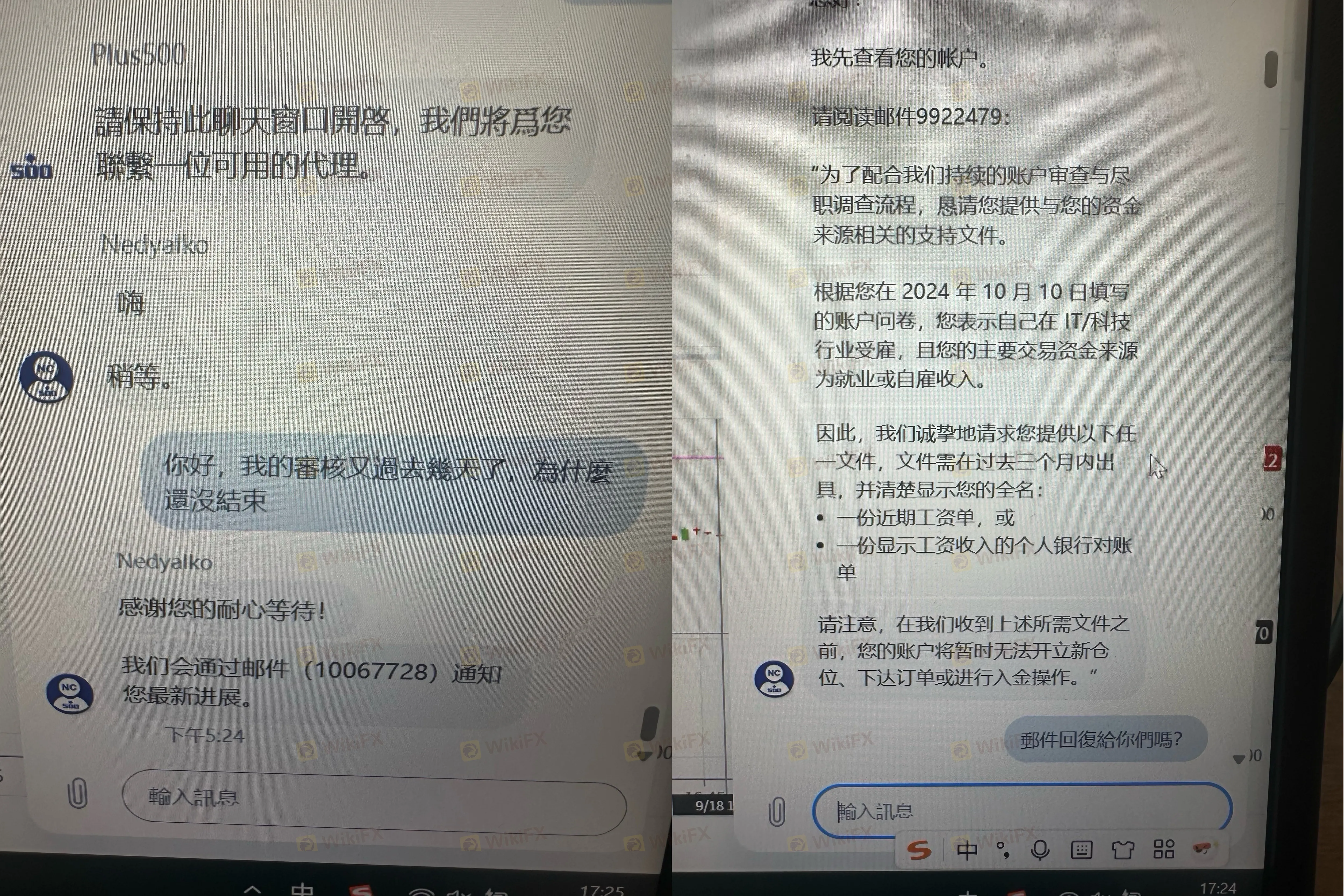
1. Endless KYC Loops: One user reported a malicious refusal of their withdrawal. After applying, the broker demanded income proof. Two weeks later, they demanded further wage statements and address proof. Over a month passed in an endless “audit” loop with no funds released.
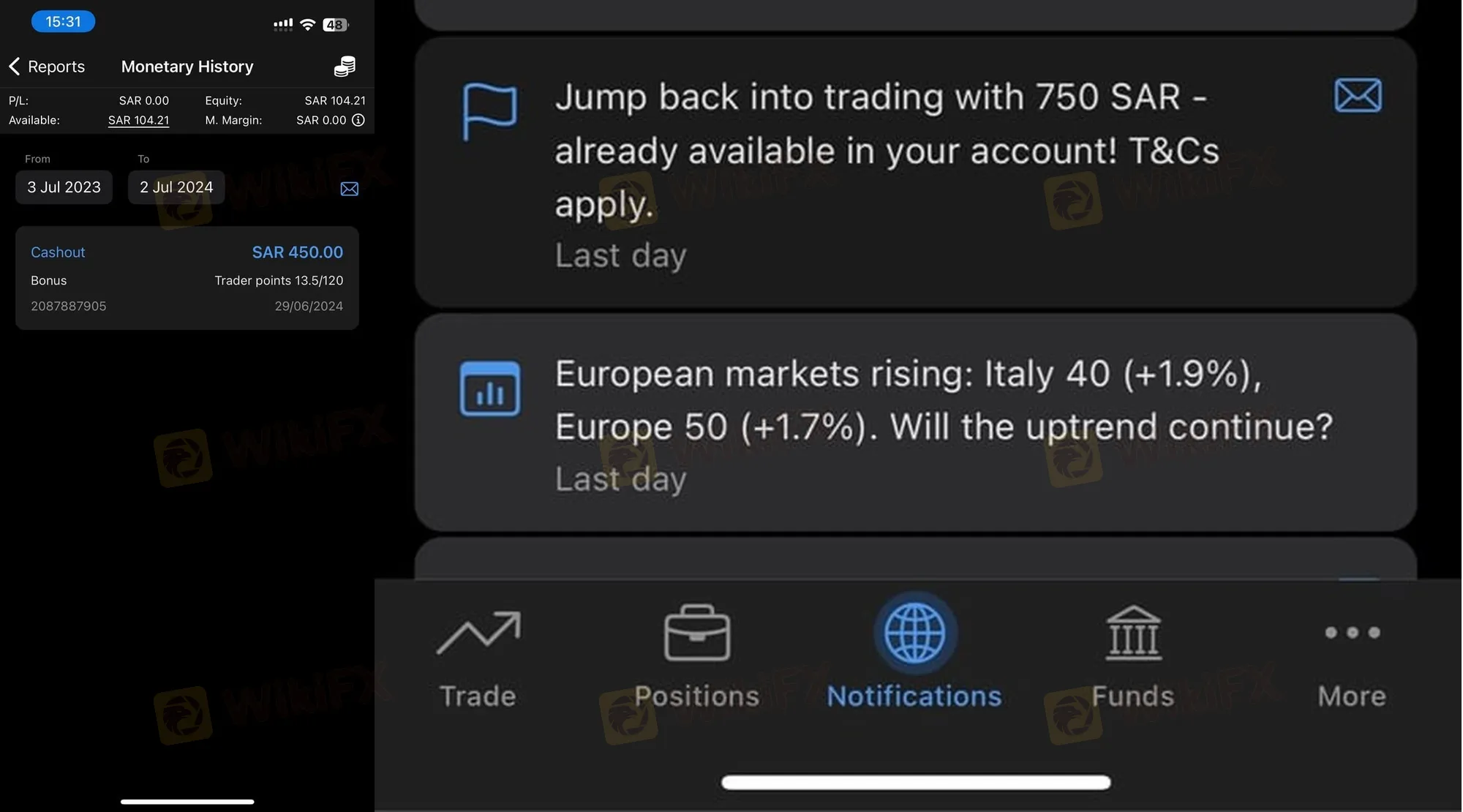
2. Bonus Discrepancies: A US trader noted that a promised promotional bonus of $200 (750 Sr) for accumulating trading points was only partially deposited ($120). Customer support allegedly kept straying from the subject when questioned.
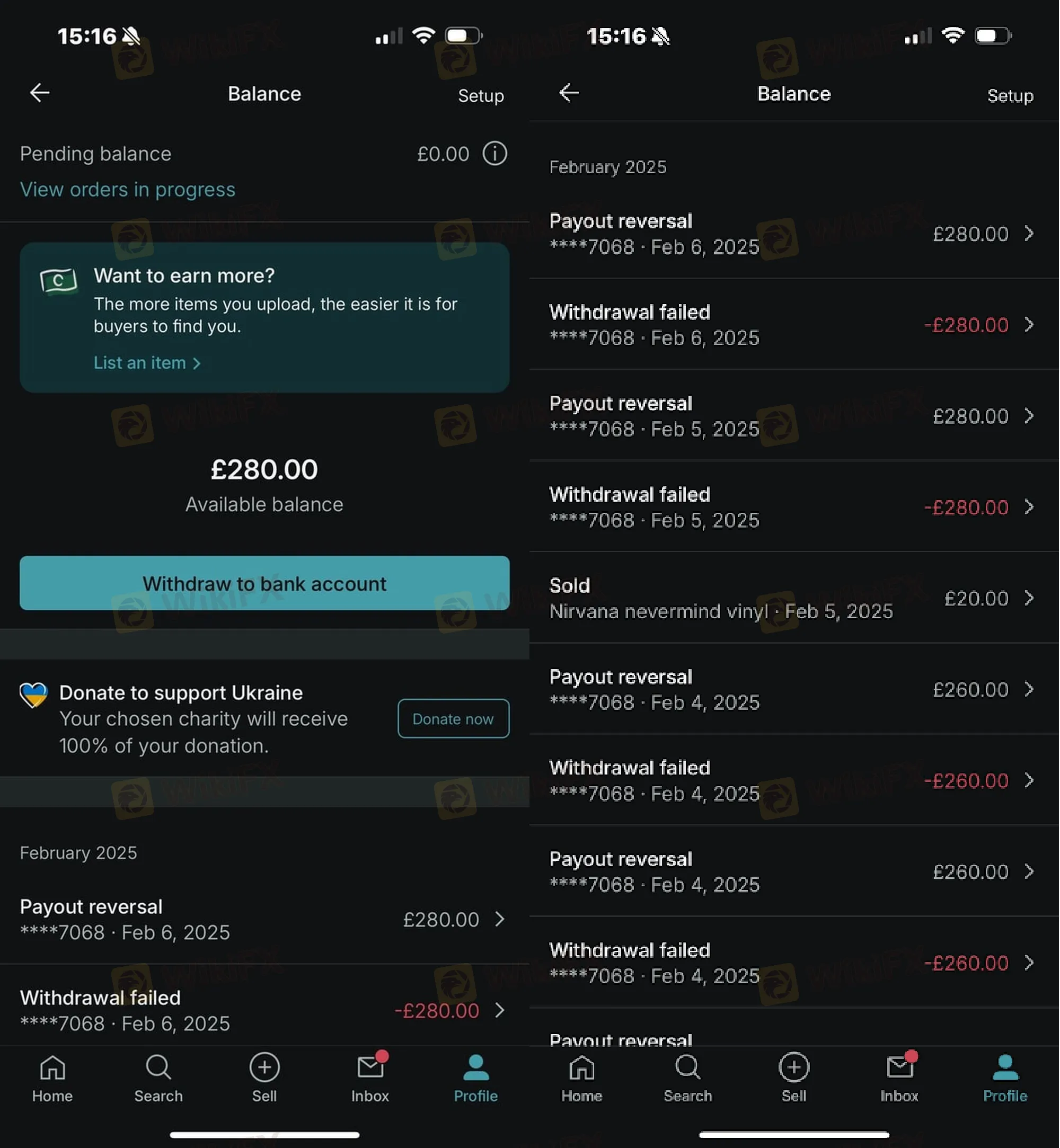
3. Frozen Balances: Another trader successfully passed all identity verification checks but remained completely unable to withdraw or spend their £280 balance, receiving zero response to their statements.
Why does this happen? Brokers are required by international Anti-Money Laundering (AML) laws to make sure you aren't doing anything illegal. It's like airport security for your cash. This is called the “Know Your Customer” (KYC) process. However, some brokers can weaponize this strict rule to deliberately slow down your withdrawal, hoping you'll give up or gamble the money away.
Pro Tip: Always fully verify your account—including providing your ID, income proof, and utility bills—before you ever make your first deposit!
Question 4: What software will I use?
Unlike the vast majority of brokers that offer universal platforms like MetaTrader 4 or 5, Plus500 exclusively uses a proprietary, self-developed trading platform. Based on the technical data provided, this software is heavily focused on their mobile platform (iOS and Android apps), and notably lacks native Windows, MacOS, or Web-based support.
Using a proprietary app is a double-edged sword. On the plus side, it allows the broker to offer a highly customized, beginner-friendly interface with very clear fee reports. On the downside, proprietary software lacks the universal transparency of standard software. When a broker controls the entire trading environment, there is always a slight, theoretical risk of “back-end price manipulation.”
Furthermore, because of the active FCA warnings about fake clone sites, you must be incredibly careful. Always ensure you are on the official app downloaded directly from the verified iOS or Google Play store before entering your login details to avoid sophisticated phishing scams. If a fake representative emails you a link asking you to update your profile, do not click it. A compromised login could lead to total, irreversible loss of your funds.
Final Verdict: Should I open an account?
Plus500 presents a complex but clear picture. On one side, their massive regulatory footprint, “Segregated Accounts,” and decade-long history prove they are a highly legitimate financial institution—not a fleeting, unregulated scam. On the other side, the frustrating withdrawal delays, stringent KYC audits, and a recent cluster of user complaints mean it might not be the smoothest experience for a beginner trader trying to access their profits quickly.
If you choose to trade here, be prepared for strict identity checks and stick exclusively to their official mobile applications to avoid clones. Broker status changes daily. Before depositing a single dollar, check the WikiFX App for the latest real-time certificate updates, live scores, and newest user reviews!

Disclaimer:
The views in this article only represent the author's personal views, and do not constitute investment advice on this platform. This platform does not guarantee the accuracy, completeness and timeliness of the information in the article, and will not be liable for any loss caused by the use of or reliance on the information in the article.
WikiFX Broker
Latest News
United States Dollar Index holds onto gains above 99 ahead of US CPI data
WikiFXCMC Markets Extends US Share Trading Into Overnight Session
WikiFXSilver Forecast: XAG/USD rebound capped as bearish bias holds
WikiFXProp Firm FTMO to Acquire OANDA with $422 Million
WikiFXUK Chancellor Healey: Economy demonstrates welcome resilience despite global uncertainty
WikiFX11.09.26 Daily Forecast
WikiFXRBI's Record $136-Billion NRI Deposit Campaign: Closed Early, Windfall and Risks for Traders
WikiFXWhat is Synthetic Indices in Prop Trading | Why Is It Risky?
WikiFXRegistration for the 2026 WikiFX Golden Insight Award is now open!
WikiFXGold price in India: Rates on September 11
WikiFX