

Global Broker Regulation Inquiry App
About WikiFX
English
简体中文
繁體中文
English
Pусский
日本語
ภาษาไทย
Tiếng Việt
Bahasa Indonesia
Español
हिन्दी
Filippiiniläinen
Français
Deutsch
Português
Türkçe
한국어
العربية
اردو
FXTRADING Financial Focus (Asia-Pacific 04/21)BIS Focuses on Stablecoin Regulatory Divide
Abstract:Debate is gradually emerging within the regulatory circles of the Bank for International Settlements over whether stablecoins should function similarly to bank deposits. Some argue that allowing stabl
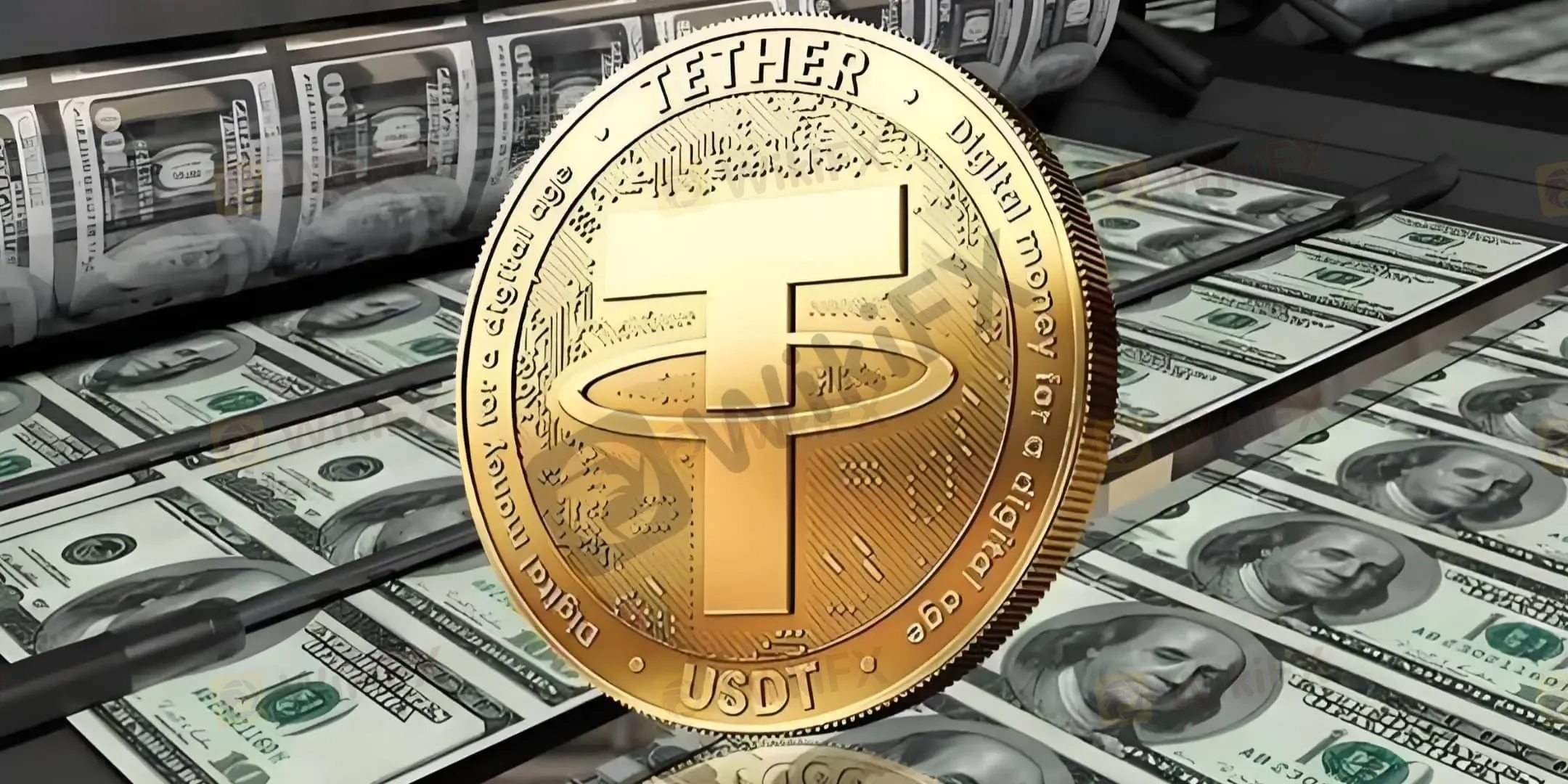
Debate is gradually emerging within the regulatory circles of the Bank for International Settlements over whether stablecoins should function similarly to bank deposits. Some argue that allowing stablecoins to pay interest could accelerate the outflow of funds from the traditional banking system, thereby weakening financial intermediation. Others contend that if interest functions are restricted, stablecoins would become significantly less attractive in a high interest rate environment. At its core, this debate reflects a broader redefinition of the boundaries of the financial system.
From a more macro perspective, the rapid expansion of stablecoins has become increasingly difficult for regulators to ignore. The global stablecoin market capitalization has now reached approximately $315 billion, with the majority concentrated among a small number of issuers, resulting in a high level of market concentration. While this structure improves efficiency, it also amplifies potential risks, as problems at key institutions could quickly spread across the system.
The Bank for International Settlements has long maintained a cautious stance on stablecoins, a position that has been reinforced recently. Its officials have emphasized that stablecoins are not merely a matter of technological innovation, but may also affect the transmission of monetary policy. If funds move frequently between the banking system and stablecoins, the effectiveness of central banks policy tools, such as interest rates and liquidity measures, could be weakened or distorted.
Looking further, stablecoins may also introduce complexities in cross-border regulation. Differences in regulatory frameworks across countries could incentivize firms to operate in jurisdictions with the least stringent oversight. While such behavior is not uncommon, the absence of unified standards could ultimately fragment markets, making financial systems less interoperable and potentially creating regulatory arbitrage opportunities.
Similar concerns have also been raised at the level of the Financial Stability Board. As a key platform for global financial regulatory coordination, its leadership recently noted that progress on international stablecoin rules has slowed. This suggests that as market development continues to outpace regulatory efforts, risks are accumulating rather than being effectively mitigated.
From the perspective of how these products function, stablecoins are not entirely equivalent to traditional forms of money. Although most stablecoins aim to maintain a one-to-one peg with the U.S. dollar, in practice, frictions in redemption processes can lead to deviations from par value. This makes them more akin to asset-like instruments rather than perfectly stable payment tools. In times of declining market confidence, such features could even trigger runs, placing stress on liquidity.
In response to these potential risks, several policy ideas have been proposed, such as introducing deposit insurance-like mechanisms for stablecoins or granting them access to central bank liquidity facilities. While these measures could theoretically enhance market confidence, they would further blur the line between traditional finance and crypto finance. Striking a balance between innovation and risk remains a complex challenge. From the perspective of FXTRADING, stablecoin regulation is moving from fragmented exploration toward a more defined framework. The degree of coordination among countries in rulemaking will directly influence the stability of global capital flows and the coherence of the financial system, while also serving as a key reference point for assessing changes in market risk structures.

(For more insights into global macroeconomic trends and market developments, please follow FXTRADINGs official updates. This information is provided for reference only and does not constitute any form of investment advice.)
Disclaimer:
The views in this article only represent the author's personal views, and do not constitute investment advice on this platform. This platform does not guarantee the accuracy, completeness and timeliness of the information in the article, and will not be liable for any loss caused by the use of or reliance on the information in the article.
WikiFX Broker
Latest News
Balancing Chart Volatility With Account Limits in Stop Loss Placement
 WikiFX
HTFX Review 2026: Withdrawal Complaints, Offshore Regulation, and Account Access Risks
WikiFXThe Dunning-Kruger Trap: How Beginner Forex Traders Can Overcome Overconfidence and Manage Risk
WikiFXUnderstanding Currency Pairs, Central Banks and Core Forex Market Risks
WikiFXVantage Review 2026: Is This Forex Broker Safe?
WikiFXCFI Review 2026: Should You Trade with This Broker?
WikiFXInteractive Brokers Review 2026: Regulation Fines, Platform Access, and Complaint Risks
WikiFXPepperstone Review 2026: Massive Deposit & Withdrawal Complaints Against This Regulated Broker
WikiFXWhat Beginners Must Know About Stop-Loss Orders and Trading Risk
WikiFXFrom Myanmar to Malaysia: Scam Syndicates Relocate from Southeast Asia’s Fraud Centres
WikiFXCurrency Calculator
USD

CNY
Current Rate:0
Enter amount
USD
Redeemable Amount
CNY
Calculate 