Abstract:Japanese Finance Minister Shunichi Suzuki said on Friday he explained to U.S. Treasury Secretary Janet Yellen that recent yen falls were sharp.
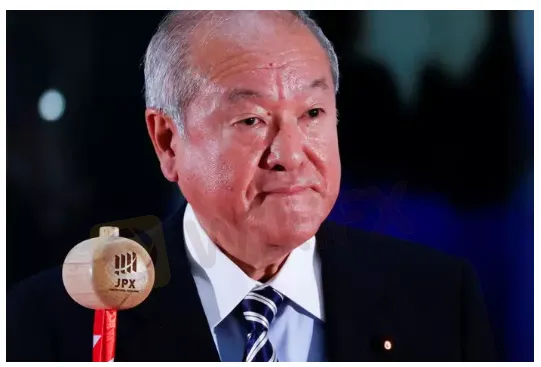
Japanese Finance Minister Shunichi Suzuki said on Friday that recent drops in the yen were “sharp” and agreed with his U.S. counterpart to communicate closely on currency moves.
The yen has plunged to two-decade lows against the dollar, with the central bank continuing to defend its ultra-low rate policy in contrast with heightening chances of aggressive rate hikes by the U.S. Federal Reserve.
“The government has said rapid currency moves were undesirable. What we‘re seeing now with the yen are rapid moves, so we’ll monitor moves closely with a sense of urgency,” Suzuki told reporters.
Suzuki said he did not directly voice concern over yen moves in the meeting with U.S. Treasury Secretary Janet Yellen, but that he referred to the currency‘s rapid moves as part of his briefing on the state of Japan’s economy.
“We confirmed that currency authorities of both countries will communicate closely, aligning with the exchange-rate principles agreed among the G7 and G20 members,” Suzuki told reporters after the meeting with Yellen in Washington D.C. on the sidelines of the International Monetary Fund gatherings.
He declined to comment, when asked about the chance of Japan intervening in the currency market to stem further yen falls and how Yellen responded to his remarks during the talks.
The yen briefly rose after Suzukis remarks but pared back gains to hover around 128.43 to the dollar on Friday.
Markets have been focusing on whether the United States and the broader G7 advanced economies‘ group would nod to Tokyo’s concern over recent yen moves, either in the G7 statement or during Suzukis bilateral meeting with Yellen.
In the G7 statement, issued on Thursday Tokyo time, the leaders said they were closely monitoring global markets that have been “volatile,” but made no mention of exchange rates.
Suzuki has said the G7 likely stuck to its agreement that markets ought to determine currency rates, that the group will closely coordinate on currency moves, and that excessive and disorderly exchange-rate moves would hurt growth.
Investors believe the yen has even further to fall, with most betting that even a government intervention wouldnt be enough to turn around the momentum.
“Japanese authorities continue to voice concern over the weak yen but its unlikely to lead to actual intervention,” said Masafumi Yamamoto, chief currency strategist at Mizuho Securities.
“With the G7 and G20 finance leaders voicing no shared concern over the yen‘s decline, it’s becoming easier for the dollar/yen to move up in tandem with rising U.S. interest rates,” he said.