

Global Broker Regulation Inquiry App
About WikiFX
English
简体中文
繁體中文
English
Pусский
日本語
ภาษาไทย
Tiếng Việt
Bahasa Indonesia
Español
हिन्दी
Filippiiniläinen
Français
Deutsch
Português
Türkçe
한국어
العربية
اردو


FXT Economic Data Summary (Asia-Pacific | 08/20)


Abstract:Eurozone Inflation Edges HigherEurozone CPI rose 2.9% year-on-year in July, up from 2.8% previously and in line with the preliminary estimate. Core CPI also increased from 2.4% to 2.5%, while overall

Eurozone Inflation Edges Higher
Eurozone CPI rose 2.9% year-on-year in July, up from 2.8% previously and in line with the preliminary estimate. Core CPI also increased from 2.4% to 2.5%, while overall EU inflation rose from 2.9% to 3.0%. By component, annual energy inflation accelerated from 8.5% to 10.3%, contributing 0.94 percentage points to overall inflation; services prices rose 3.3%, contributing 1.55 percentage points and remaining the largest source of inflation. Non-energy industrial goods inflation increased from 0.7% to 0.9%, while inflation in food, alcohol and tobacco eased from 1.5% to 1.2%.
On a monthly basis, energy prices rose 2.7% and services prices increased 1.1%, while non-energy industrial goods fell 2.2%, highlighting continued divergence across categories. Inflation also varied considerably among member states, ranging from 0.3% in Sweden to 8.2% in Romania. FXTRADING believes that energy and services prices continue to support overall inflation, making it difficult for the European Central Bank to significantly ease its vigilance over price risks in the near term. Future policy decisions will still depend on whether core inflation can continue to cool.
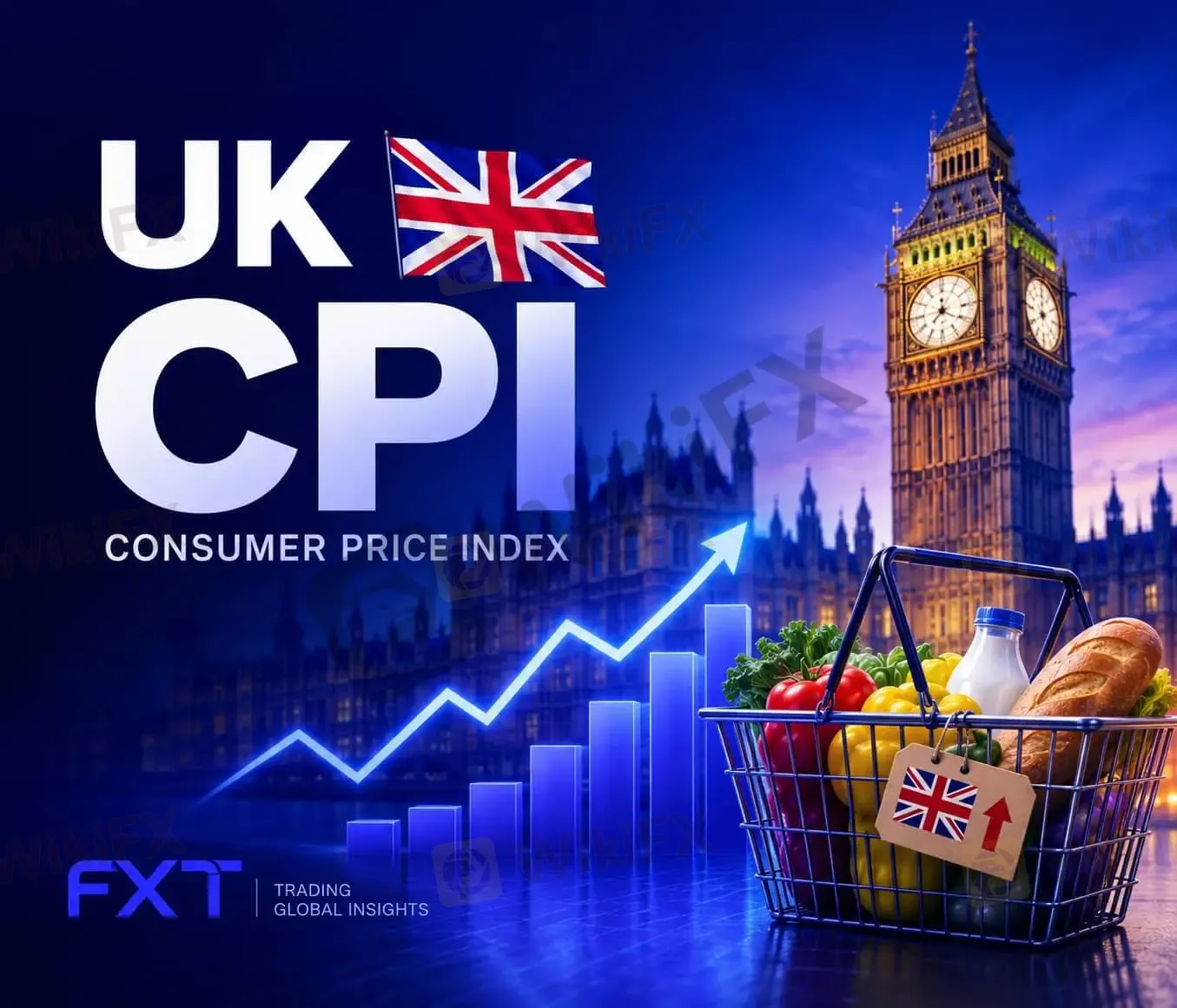
UK Headline Inflation Rises
UK CPI rose 2.9% year-on-year in July, in line with market expectations, while increasing 0.3% month-on-month. Core CPI remained at 2.6%, slightly above the 2.5% forecast. Internal trends were mixed, with services inflation easing from 3.6% to 3.4%, while goods inflation accelerated from 1.7% to 2.2%. Housing and household services inflation rose from 1.2% to 4.6% year-on-year, while healthcare inflation increased from 2.5% to 3.7%, becoming important drivers of the rise in overall prices.
Meanwhile, food inflation slowed from 1.7% to 1.3%, while transport price growth eased from 5.7% to 3.6%, offsetting some of the upward pressure. FXTRADING believes that the renewed rise in UK headline inflation will continue to limit the Bank of Englands ability to ease policy rapidly, but the continued moderation in services prices suggests that underlying inflationary pressures have not deteriorated across the board, leaving policymakers room to continue monitoring developments.
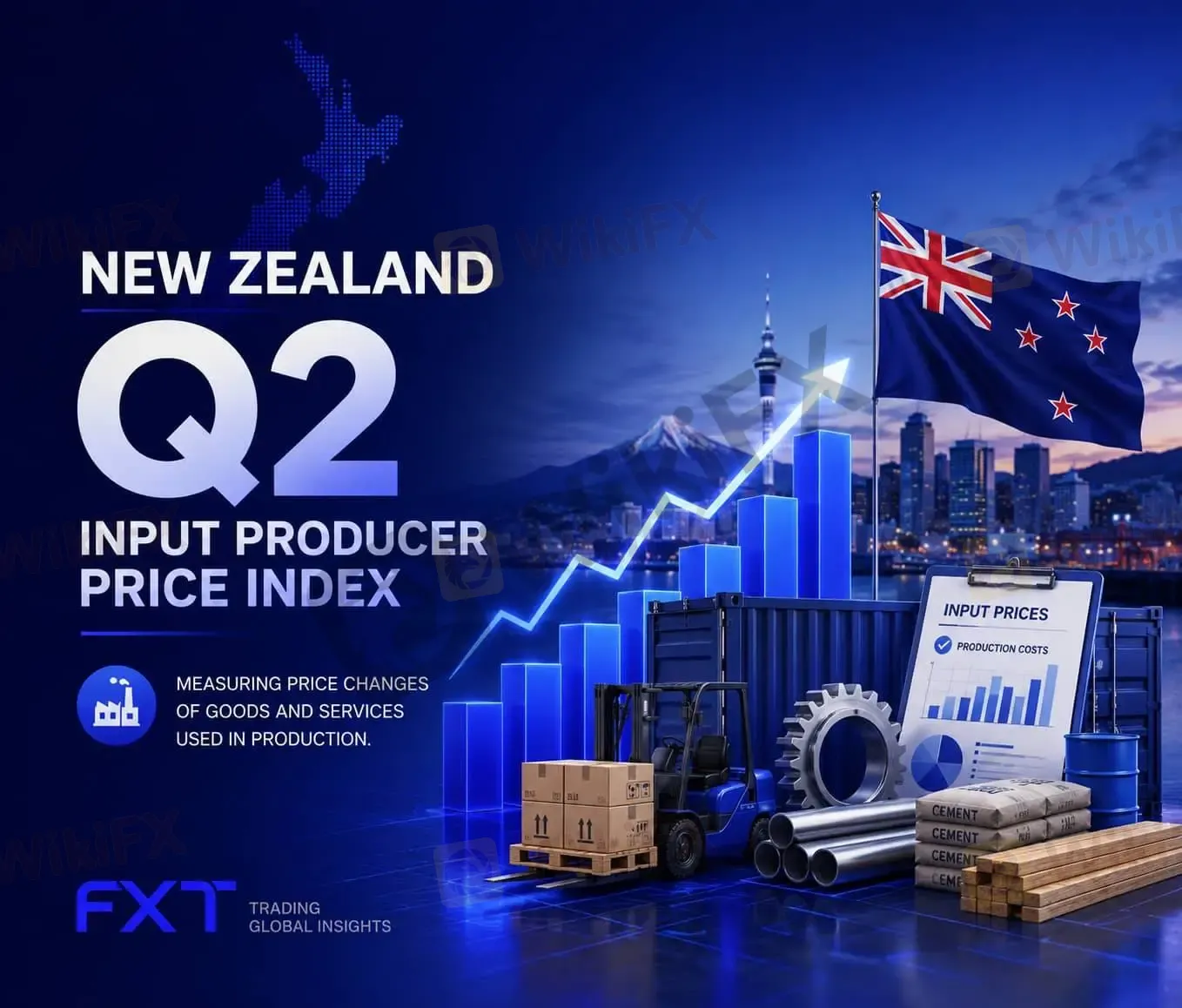
New Zealand Corporate Profit Margins Come Under Pressure
New Zealand‘s input PPI rose 2.9% quarter-on-quarter in the second quarter, well above the first quarter’s 1.4% increase and the market forecast of 1.3%. Output PPI also accelerated from 0.8% to 1.6%, twice the market expectation. Higher fuel, electricity and raw material costs were the main drivers, while consumer prices rose 1.5% over the same period, indicating that cost pressures were more pronounced at the production level.
Input costs rose significantly faster than output prices, while the Farm Expenses Price Index increased 3.8% and the Capital Goods Price Index rose 1.8%, indicating that cost pressures are spreading across more areas. FXTRADING believes that businesses are currently facing a choice between absorbing pressure on profit margins and raising selling prices. If more of these costs are passed on to consumers, New Zealands disinflation process could be affected.

U.S. Consumer Sentiment Declines Sharply
The University of Michigan U.S. Consumer Sentiment Index fell from 55.2 to 51.0 in August, below the market forecast of 54.1. The Current Economic Conditions Index declined from 54.8 to 51.8, while the Index of Consumer Expectations dropped from 55.4 to 50.6. Consumers expectations for both short-term and long-term business conditions deteriorated significantly, while only 8% of respondents expected their income growth over the next year to outpace inflation, indicating growing household concerns about the economy and purchasing power.
Meanwhile, one-year inflation expectations rose from 4.2% to 4.3%, while long-term inflation expectations remained at 3.3% for the third consecutive month, showing that weaker economic confidence has not been accompanied by a corresponding decline in inflation expectations. FXTRADING believes that the combination of slowing demand and persistent inflation concerns is making the Federal Reserves policy choices more complicated, increasing the likelihood that it will maintain a cautious stance in the near term.
(For more insights into global macroeconomic trends and market developments, please follow FXTRADINGs official updates. This information is provided for reference only and does not constitute any form of investment advice.)
Disclaimer:
The views in this article only represent the author's personal views, and do not constitute investment advice on this platform. This platform does not guarantee the accuracy, completeness and timeliness of the information in the article, and will not be liable for any loss caused by the use of or reliance on the information in the article.
WikiFX Broker
Latest News
Sri Lanka to Criminalize Unauthorized Forex Transfers
 WikiFX
Quotex Review: Regulation Warnings, Broker Complaints, and Blocked Funds
WikiFXWhy Fake Screenshots Make You Feel Like a Losing Trader
WikiFXDFSA warns of scam impersonating firm Menhir Capital
WikiFXReview 2026: STMARKET Regulation, MT5 Access, and Withdrawal Complaint Signals
WikiFXSQUAREDFINANCIAL Review: Withdrawal Requests Go Unanswered as Clients Report Locked Accounts
WikiFXA Tiny USDT Transfer Could Put Your Crypto Wallet Under Scrutiny
WikiFXReview 2026: FBS Complaints, Regulation, and Withdrawal Risk Signals
WikiFXA Losing Streak Hijacks Your Judgement. Here's a 4-Step Reset
WikiFXNAFEM turnover hits $1.41bn, highest in five weeks
WikiFX