

Global Broker Regulation Inquiry App
About WikiFX
English
简体中文
繁體中文
English
Pусский
日本語
ภาษาไทย
Tiếng Việt
Bahasa Indonesia
Español
हिन्दी
Filippiiniläinen
Français
Deutsch
Português
Türkçe
한국어
العربية
اردو


FXTRADING Economic Data Summary (Asia-Pacific | 08/18)


Abstract:Canadian Energy Prices and Core Inflation Pressures Rise TogetherCanadas inflation accelerated again in July, with headline CPI rising 3.0% year-on-year, above the market expectation of 2.9%, while mo

Canadian Energy Prices and Core Inflation Pressures Rise Together
Canadas inflation accelerated again in July, with headline CPI rising 3.0% year-on-year, above the market expectation of 2.9%, while monthly inflation increased 0.5%, also exceeding the 0.4% forecast. Energy prices remained the most direct driver, as tensions in the Middle East, the closure of the Strait of Hormuz, and disruptions to some Red Sea shipping routes pushed gasoline inflation from 20.5% to 25.7% year-on-year.
More importantly, CPI excluding gasoline remained at 2.2% year-on-year for a third consecutive month, while the Bank of Canada‘s closely watched core inflation measures also moved higher to varying degrees. Median CPI increased from 1.9% to 2.0%, the relevant core measure excluding gasoline rose from 1.8% to 1.9%, and composite CPI climbed from 2.6% to 2.7%, above the market forecast of 2.5%. FXTRADING analysis suggests that gasoline prices were the main driver behind July’s rise in inflation to 3.0%, but the simultaneous increase in core measures indicates that price pressures are spreading more broadly, meaning the Bank of Canada will likely need to remain cautious in the near term.

New Zealand Services Sector Extends Expansion
New Zealands BNZ-BusinessNZ Performance of Services Index (PSI) edged down from 50.9 in June to 50.6 in July, remaining above the 50 expansion threshold for a second consecutive month. Some components improved, with the activity and sales index rising from 49.7 to 50.5, returning to expansion for the first time in six months, while the stocks and inventories index increased from 50.3 to 51.6, suggesting that operating conditions across the services sector are gradually stabilizing.
The new orders and business index eased from 53.3 to 52.6, remaining one of the stronger components, while the employment index slipped further from 48.8 to 48.5 and supplier deliveries fell from 51.2 to 48.5. Around 64% of survey comments from businesses were negative, with the cost of living, fuel prices, interest rates, and election uncertainty remaining the main concerns. FXTRADING analysis suggests that two consecutive months above 50 indicate that New Zealands services sector has moved out of its previous contraction, but a reading of 50.6 still points to only modest growth.

Swiss Industrial Sector Becomes the Main Support for Economic Growth
According to preliminary estimates from Switzerlands State Secretariat for Economic Affairs (SECO), sport-event-adjusted real GDP expanded by around 1.5% quarter-on-quarter, well above the 0.4% growth recorded in the first quarter and potentially marking the strongest quarterly performance since 2021. The industrial sector made the largest contribution, led by strong growth in chemicals and pharmaceuticals, while the services sector also expanded. Manufacturing had already grown 1.5% quarter-on-quarter in the first quarter, reversing a 3.0% contraction in the fourth quarter of last year, suggesting that the industrial recovery is not entirely the result of short-term volatility.
However, the figures released so far remain preliminary, with detailed sector-level performance yet to be fully disclosed, while the 1.5% GDP growth estimate could still be revised. Markets will next focus on whether growth has broadened beyond export-oriented industries such as chemicals and pharmaceuticals into consumption, investment, and a wider range of service sectors. FXTRADING analysis suggests that the 1.5% expansion in second-quarter GDP has significantly improved Switzerlands economic outlook and reduced concerns that tight financial conditions could lead to a sharp slowdown.
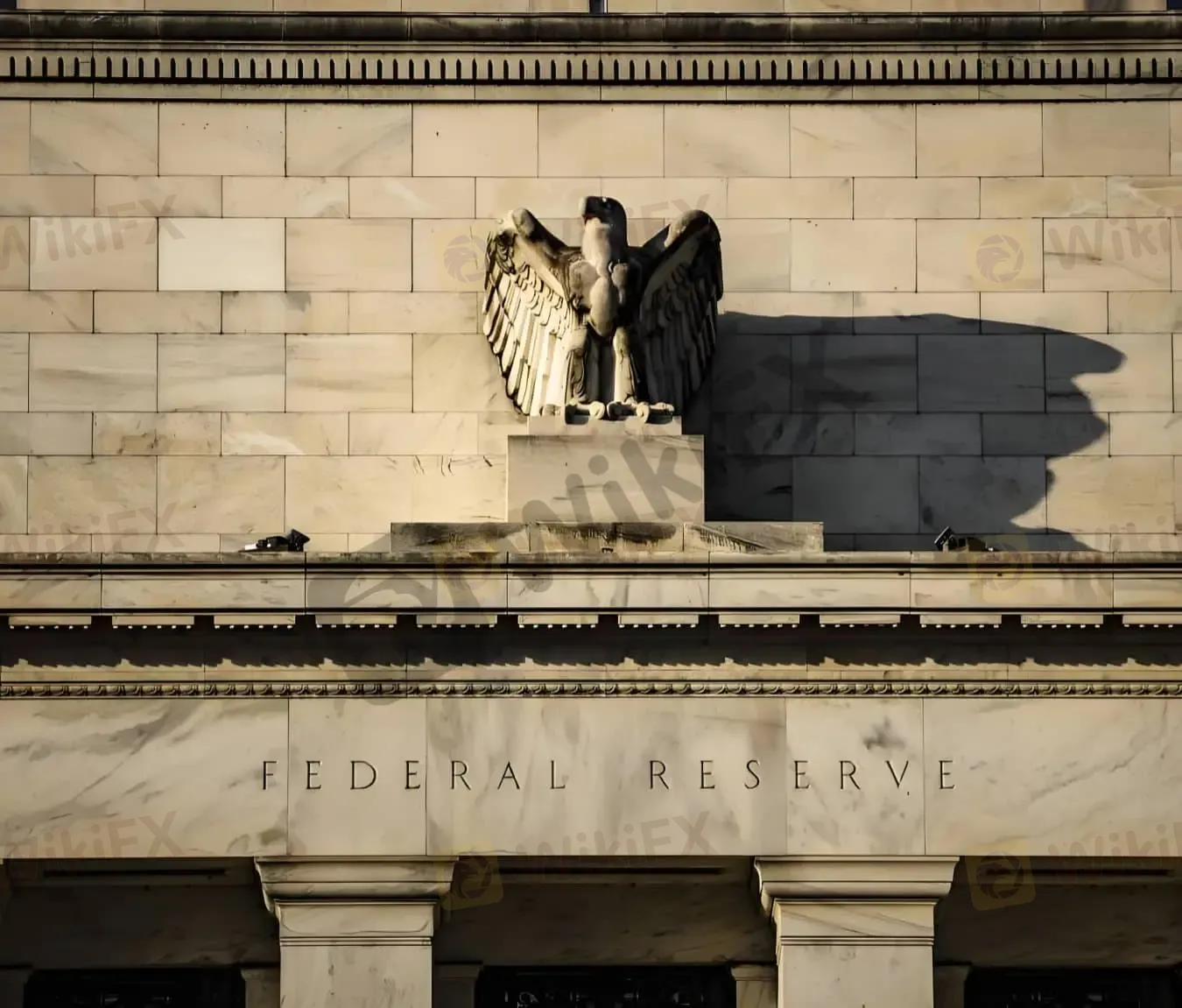
Federal Reserve Policy Enters a Wait-and-See Phase
Chicago Fed President Austan Goolsbee recently said that as the effects of tariffs and the energy shock caused by the Iran war gradually fade, inflation could return to a downward path. Relatively moderate CPI and PPI readings in July have provided some support for this view. However, inflation of around 3% remains clearly above the Federal Reserves 2% target, while the disinflation process has stalled before, meaning that a few months of data are not enough to confirm that price pressures are fully under control.
From a policy perspective, the Federal Reserve currently has little urgency to adjust interest rates. Goolsbee believes the U.S. economy remains broadly stable, with policymakers now focused on determining whether inflation can continue to decline sustainably.FXTRADING analysis suggests that the recent moderation in CPI and PPI has reduced the need for another significant tightening move, but with inflation still close to 3%, the Fed is unlikely to shift direction quickly based solely on short-term improvements.
Disclaimer:
The views in this article only represent the author's personal views, and do not constitute investment advice on this platform. This platform does not guarantee the accuracy, completeness and timeliness of the information in the article, and will not be liable for any loss caused by the use of or reliance on the information in the article.
WikiFX Broker
Latest News
Valbury Review 2026: An A+++ Rating Is a Starting Point - Not a Reason to Skip the Money-Path Check
 WikiFX
Plus500 Joins Bahamas Forex and CFD Industry Association
WikiFXReview 2026: GFS Withdrawal Complaints, Regulation Gaps, and Broker Risk Signals
WikiFXadmiral Review 2026: Clone Warnings, Withheld Profits, and Withdrawal Risks
WikiFXTriumphFX Review: Revoked Licence and TFX Token Losses Warrant Caution
WikiFXTenTrade Review 2026: Complaints, Withdrawals, and Risk Signals
WikiFXReview 2026: XORKETS FX Withdrawal Complaints and Unregulated Risk
WikiFXMalaysian Doctor Loses RM558,000 to Forex-Crypto Scam
WikiFXVG Markets Review: A Real FSCA Licence, But Why Only a 4.47 Score?
WikiFXGold Climbs Toward $4,400 as September Fed Hike Odds Tumble
WikiFX