

Global Broker Regulation Inquiry App
About WikiFX
English
简体中文
繁體中文
English
Pусский
日本語
ภาษาไทย
Tiếng Việt
Bahasa Indonesia
Español
हिन्दी
Filippiiniläinen
Français
Deutsch
Português
Türkçe
한국어
العربية
اردو


Draft Hormuz Strait Agreement Lifts Oil Prices as Fed Policy Debate Intensifies


Abstract:[Chart 1: U.S. and Iran Illustration]A draft agreement between Iran and Oman regarding the Strait of Hormuz triggered a sharp rally in crude oil prices after reports suggested that vessels associated
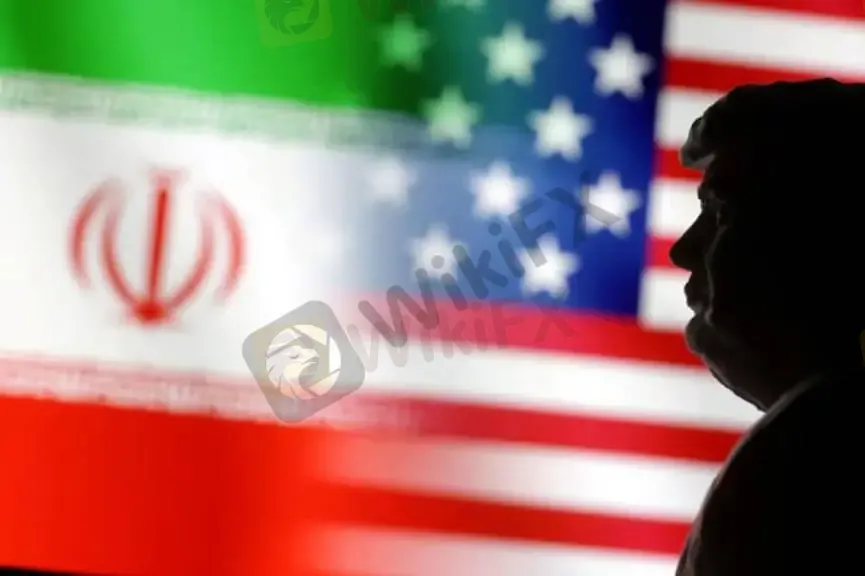
[Chart 1: U.S. and Iran Illustration]
A draft agreement between Iran and Oman regarding the Strait of Hormuz triggered a sharp rally in crude oil prices after reports suggested that vessels associated with the United States and Israel could be barred from transiting the strategic waterway. Iranian state media also claimed that Iranian forces had engaged hostile targets near the strait.
Following reports that the draft agreement would prohibit vessels from countries considered hostile, including the U.S. and Israel, Brent crude extended its intraday gains to more than 4%, before climbing over 5% at session highs. Iranian officials stated that negotiations on the Strait of Hormuz agreement are nearing completion and emphasized that discussions remain exclusively between Iran and Oman, with no direct negotiations currently taking place between Iran and the United States. U.S. officials, meanwhile, reiterated that they would not accept any disruption to international shipping routes. Industry experts questioned the practicality of the proposal, arguing that such restrictions would be difficult to implement within the global maritime shipping system.
Meanwhile, sources familiar with the matter indicated that Federal Reserve Governor Kevin Warsh could prepare to support a September rate hike if inflation data remains unexpectedly strong over the coming weeks. Although Warsh has previously suggested reducing the Fed's $6.7 trillion balance sheet as part of broader monetary tightening efforts, interest rates remain the central policy instrument.
Market attention also intensified following reports that President Donald Trump and Warsh have been in frequent communication. The White House stated that while the president respects the Federal Reserve's independence, he also retains the right to express his views on monetary policy. According to reports, Warsh has additionally proposed reducing the number of Federal Open Market Committee (FOMC) meetings each year, with a new meeting schedule potentially finalized before the September policy meeting. Although some Fed officials are reportedly open to the proposal, such a move would mark the most significant procedural change in over four decades and could introduce additional volatility into the Treasury market.
Separately, President Trump announced new trade measures targeting polysilicon and related solar products, introducing both minimum import prices and additional tariffs. The new minimum import prices are set at:
Polysilicon: US$21 per kilogram
Polysilicon ingots and wafers: US$100 per kilogram
Solar cells: US$0.22 per watt
Solar modules: US$0.38 per watt
In addition, a 15% ad valorem tariff will be imposed on the affected products, with the measures scheduled to take effect on December 4, 2026.
President Trump also signed an executive order aimed at restricting the application of birthright citizenship while strengthening enforcement against so-called “birth tourism.”
The proposed Hormuz Strait agreement between Iran and Oman has reignited geopolitical risk premiums in the energy market, underscoring the ongoing contest over one of the world's most strategically important maritime corridors. Although direct negotiations between Washington and Tehran have yet to resume, progress through regional mediation continues to add uncertainty to the geopolitical outlook.
At the same time, internal discussions within the Federal Reserve regarding both potential interest rate hikes and possible reforms to the FOMC meeting schedule suggest that policymakers remain divided over the future direction of U.S. monetary policy. Trump's latest trade actions and immigration measures further reinforce his administration's hawkish stance on both economic and domestic policy.
Looking ahead, market sentiment in the near term is likely to be driven primarily by developments in oil prices and evolving Federal Reserve policy expectations. Over the longer horizon, the ultimate implementation of any Strait of Hormuz transit agreement, together with progress on the broader U.S.-Iran nuclear negotiations, will remain critical variables shaping global energy security. Investors should closely monitor both diplomatic developments and upcoming inflation data for further policy signals.
Risk Disclosure: The opinions, analyses, research, prices, and other information provided above are intended solely as general market commentary and do not constitute the official position of this platform or any form of investment advice. Readers are solely responsible for their own investment decisions and assume all associated risks. Please trade prudently.
Disclaimer:
The views in this article only represent the author's personal views, and do not constitute investment advice on this platform. This platform does not guarantee the accuracy, completeness and timeliness of the information in the article, and will not be liable for any loss caused by the use of or reliance on the information in the article.
WikiFX Broker
Latest News
Apple Faces Lawsuit Over Fake Crypto App Exposing $1.8 Million Theft
 WikiFX
Trump Memecoin Faces SEC Scrutiny After Nearly One Million Investors Suffer Heavy Losses
WikiFX"They Want to See Your Face": Inside ATFX Cambodia's Rise
WikiFXSpread Cheating: The Invisible Trading Cost That Could Be Working Against You
WikiFXLevels Review: No Regulation and Mounting Withdrawal Complaints – What Traders Need to Know
WikiFXLQH MARKETS Review: Multiple Traders Report Withdrawals Blocked and Accounts Terminated
WikiFXBorn2trade Adds Copy Trading to 1:5000 Leverage Platform
WikiFXPILOTFX Review: What Traders Should Know Before Depositing
WikiFXLMAX Group Review 2026: Users Report Disturbing Withdrawal Issues - Is the Broker Still Reliable?
WikiFXTrade24Seven Review: What Traders Should Know Before Depositing
WikiFX