

Global Broker Regulation Inquiry App
About WikiFX
English
简体中文
繁體中文
English
Pусский
日本語
ภาษาไทย
Tiếng Việt
Bahasa Indonesia
Español
हिन्दी
Filippiiniläinen
Français
Deutsch
Português
Türkçe
한국어
العربية
اردو
FXTRADING Financial Focus (Asia-Pacific 05/21)U.S. Freight Costs Surge on Oil Shock
Abstract:The U.S. freight market has recently started showing clear changes. Freight volumes have not increased significantly, yet transportation costs are rising rapidly. The core driver behind the market is

The U.S. freight market has recently started showing clear changes. Freight volumes have not increased significantly, yet transportation costs are rising rapidly. The core driver behind the market is no longer demand, but the continued reduction in transport capacity. After oil prices surged sharply within a short period, cost pressures across the entire logistics system were quickly amplified.
The trucking industry has felt the impact most directly. Over the past two years, the U.S. freight market remained sluggish, leaving many small and medium-sized carriers already operating on thin profit margins. After diesel prices spiked sharply in March, a large number of independent drivers and small fleets began leaving the market. Some reduced shipments, while others stopped operating entirely. Once capacity starts shrinking, market dynamics change completely. Freight demand has not grown noticeably, yet freight rates continue climbing mainly because fewer trucks are available to reliably handle shipments.
Data released by Bank of America already reflects this trend. In the first quarter, nationwide shipment volumes fell only 0.3% quarter-over-quarter, yet shipper spending surged 12.9%, marking the largest quarterly increase in recent years. During the same period, spot truckload rates rose nearly 12%. This means companies are paying more not because freight demand is strengthening, but because market capacity is rapidly tightening. Many shippers are now more concerned about securing reliable transportation during critical periods than simply negotiating lower prices.
Regional divergence is also becoming increasingly obvious. In the western United States, logistics costs continue climbing due to persistently high diesel prices and relatively stable port and manufacturing activity. The Midwest became the strongest-performing region this quarter, with both shipment volumes and transportation spending rising sharply. The Southwest presents the most unusual situation. Freight volumes have declined for several consecutive quarters, yet transportation spending continues to increase significantly. Traditional supply-and-demand relationships are beginning to break down as the market gradually enters a new phase where capacity determines pricing.
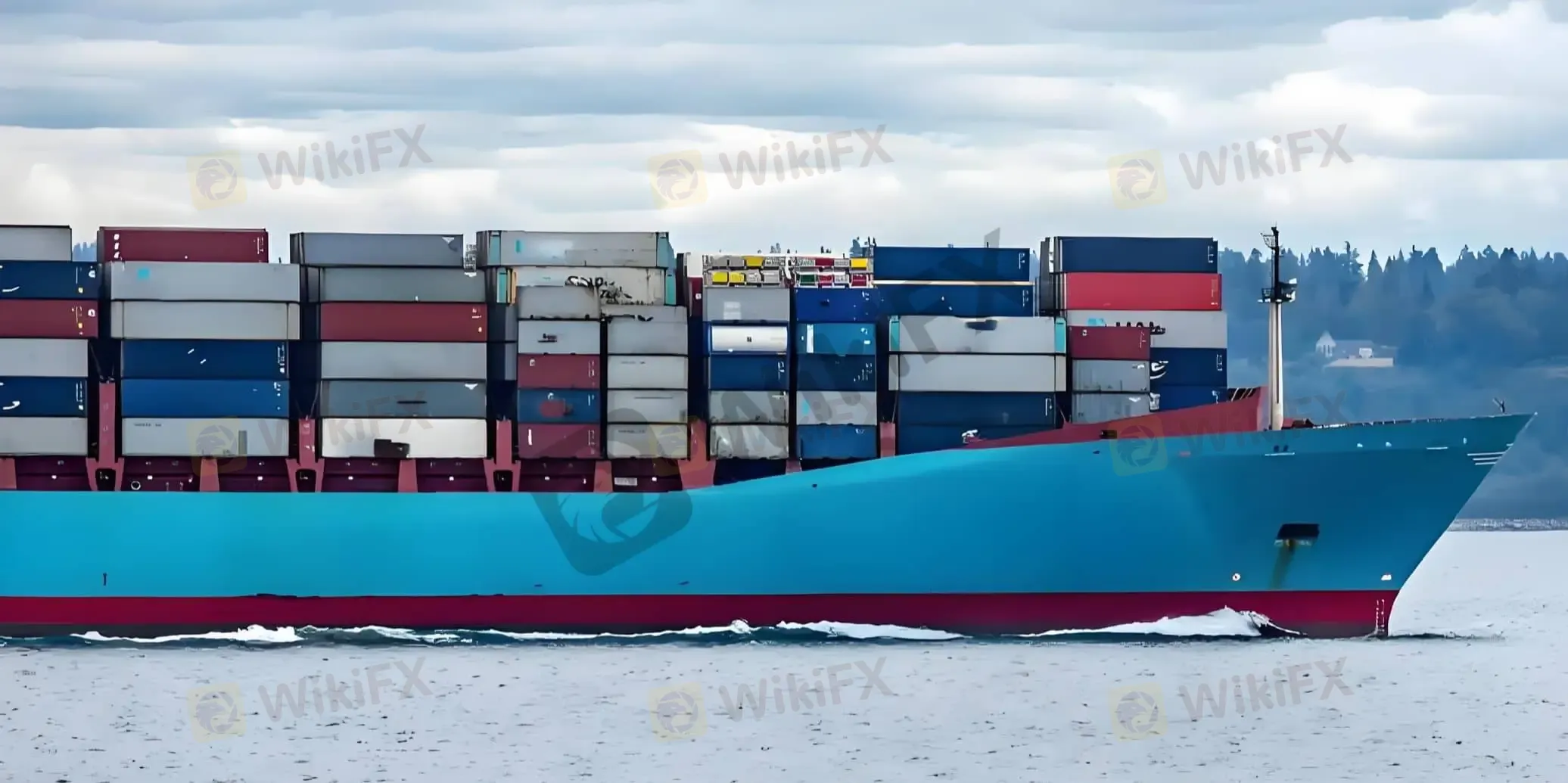
The shipping industry is facing similar pressure. Singapore low-sulfur fuel prices have risen rapidly since February, and fuel expenses on some long-haul shipping routes now account for more than 80% of total transportation costs. Shipping companies were previously able to absorb part of these expenses through route adjustments and economies of scale, but that flexibility is becoming increasingly limited. To ease pressure, several shipping lines have started imposing emergency fuel surcharges, further pushing up container shipping rates from Asia to the United States.
The express delivery sector is also adjusting simultaneously. FedEx recently raised fuel surcharges again for its international business, while peak demand surcharges are becoming increasingly permanent. In the past, such charges were mainly applied during holidays or special periods, but they are now gradually becoming part of long-term pricing structures. Logistics companies are proactively incorporating the risks of persistently high oil prices and transport shortages into their pricing systems, while shippers are being forced to adapt to this new cost environment.
From FXTRADINGs perspective, the biggest change in the current U.S. logistics market is that the entire transportation cost structure is being repriced. Capacity withdrawals, elevated fuel costs, and the long-term normalization of surcharges are already creating chain reactions throughout the industry. Even if freight demand does not grow significantly in the future, freight pricing levels may continue to remain elevated. For businesses, the more important issue going forward will no longer be simply lowering shipping costs, but securing stable transport capacity in advance and redesigning supply chain security and inventory strategies.
(For more insights into global macroeconomic trends and market developments, please follow FXTRADINGs official updates. This information is provided for reference only and does not constitute any form of investment advice.)
Disclaimer:
The views in this article only represent the author's personal views, and do not constitute investment advice on this platform. This platform does not guarantee the accuracy, completeness and timeliness of the information in the article, and will not be liable for any loss caused by the use of or reliance on the information in the article.
WikiFX Broker
Latest News
TRANS X MARKETS Review 2026: Unregulated Status and Serious Withdrawal Complaints
 WikiFX
RyvoTrade Review 2026: Unregulated Status and Withdrawal Complaints
WikiFXPhillip Nova Review 2026: Should You Trade with This Broker?
WikiFXGFS Review 2026: Withdrawal Complaints, Weak Regulation Data, and Account Access Risks
WikiFXYen Firms While Dollar Pauses
WikiFXStoneX Review 2026: Should You Trade with This Broker?
WikiFXThinking About KATOPRIME? What Every Trader Should Know Before Depositing Funds
WikiFXYour Backtesting Results Mean Nothing If You Ignore This One Live Trading Reality
WikiFXHow Pig Butchering Scams Drain Beginner Trading Accounts
WikiFXWeltrade Review 2026: Is This Forex Broker Safe?
WikiFX