

Global Broker Regulation Inquiry App
About WikiFX
English
简体中文
繁體中文
English
Pусский
日本語
ภาษาไทย
Tiếng Việt
Bahasa Indonesia
Español
हिन्दी
Filippiiniläinen
Français
Deutsch
Português
Türkçe
한국어
العربية
اردو


Avoiding the Stagflation Nightmare: Reassessing the Macro Logic Behind Oil Price Volatility

WikiFX
|


Abstract:Recent volatility in
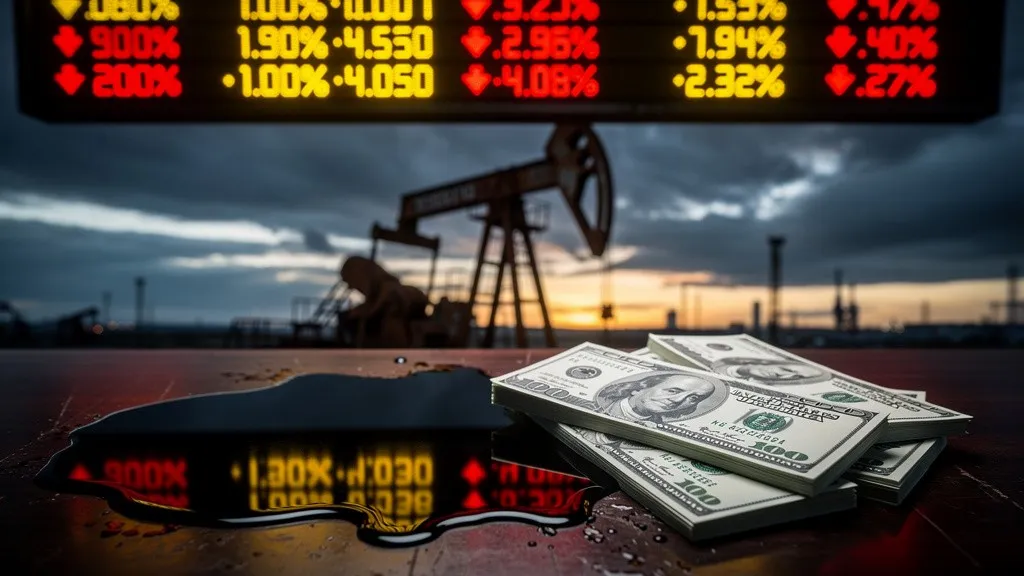
Recent volatility in oil prices has triggered market panic reminiscent of the 1970s stagflation era. Jim Reid from Deutsche Bank highlights striking parallels between the current energy shock path and the 1978-1979 oil crisis.
Historical Path vs. Current Shock
Both shocks occurred 4 to 5 years after an initial geopolitical catalyst. However, key structural differences exist compared to a half-century ago:
- Firm Inflation Anchoring: Modern central bank monetary transmission mechanisms are optimized, avoiding the runaway inflation risks seen in the late 70s.
- Lower Energy Density: The global economy exhibits reduced dependency on raw energy flows, making a wage-price spiral harder to trigger.
Long-term Investor Considerations
The Brent crude futures curve maintains low backwardation, suggesting current conflicts are viewed as short-term friction. However, analysts warn that long-term physical supply disruptions would challenge the limits of global monetary tightening.
Disclaimer:
The views in this article only represent the author's personal views, and do not constitute investment advice on this platform. This platform does not guarantee the accuracy, completeness and timeliness of the information in the article, and will not be liable for any loss caused by the use of or reliance on the information in the article.
WikiFX Broker
Latest News
U.S. Dollar Moves Away From Session Highs As Treasury Yields Drop: Analysis For EUR/USD, GBP/USD, USD/CAD, USD/JPY
WikiFXOtetMarkets Review 2026: Reported Account Block, Bonus Abuse & Withdrawal Delay Claims
WikiFXXTrend Speed Broker Exposed: What Are Other Traders Saying About This Broker?
WikiFX92 Claims, No Sources: The Trump Scorecard Line That Touches India
WikiFXRupee Fell to ₹97, Clawed Back to ₹94.5 — The $15.4 billion Oil Bill is Still There
WikiFXEMAR MARKETS Review: What Traders Should Know Before Depositing
WikiFXRBI Tightens Rupee Derivative Rules as Currency Hovers Near Record Low
WikiFXMan Sells His House to Invest, Only to Lose RM132,590 in Forex Scam
WikiFXXTrend Speed Broker Review: Is It Safe for Traders?
WikiFXUK and Singapore Align Digital Money and Tokenisation Rules at 11th Financial Dialogue
WikiFX