Abstract:Hong Kong’s SFC issues new rules for Virtual Asset Trading Platforms, prioritizing custody and security amid rising cyber risks.
 Contents
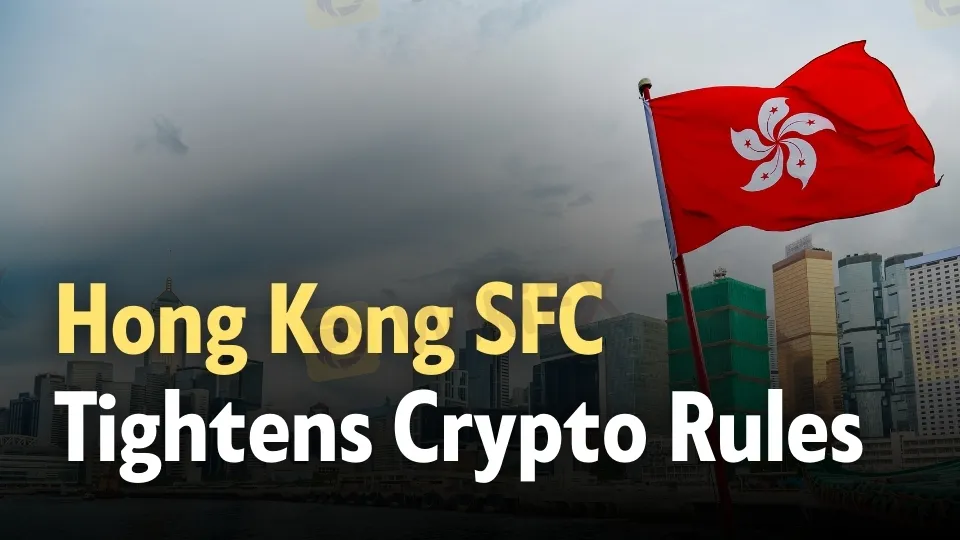
Hong Kong SFC Tightens Rules on Crypto Platforms
HONG KONG, August 15, 2025 — The Hong Kong Securities and Futures Commission (SFC) has unveiled stricter guidelines for licensed Virtual Asset Trading Platforms (VATPs), reinforcing regulatory oversight amid surging global cyber threats.
New Compliance Standards for VATPs
The updated framework sets out minimum standards for senior management accountability, client fund protection, cold wallet infrastructure, and third-party custody arrangements. The directive follows an SFC review earlier this year that uncovered weaknesses in how exchanges managed security controls.
According to the regulator, the measures are designed to strengthen virtual asset custody and security and prepare the market for the adoption of more advanced technologies under its ASPIRe roadmap.
SFC Executive Director of Intermediaries, Dr. Eric Yip, stressed that investor protection remains central to the watchdogs mandate. “For Hong Kong to build a trusted and sustainable digital asset ecosystem, safeguarding client assets must always remain a top priority,” he said.
Push for Digital Asset Leadership
The new rules come just weeks after Hong Kong enacted its Stablecoin Ordinance, requiring all stablecoin issuers—local and overseas—to secure a license from the Hong Kong Monetary Authority (HKMA). This move complements broader efforts to solidify the citys role as a key hub in the digital asset ecosystem in Asia.
Inflows of $1.5 billion in equity placements in early August signaled growing investor confidence, even as regulators tightened market supervision. Authorities also instructed brokers to pause stablecoin-related promotions in response to rising fraud risks.
Heightened Security Focus Across the Region
Concerns extend beyond Hong Kong. Chinas Ministry of State Security (MSS) recently warned against cryptocurrency projects collecting biometric data through iris scans, citing national security concerns. Meanwhile, blockchain analytics firm Chainalysis reported that cryptocurrency scams surged to $2.17 billion in 2025, with a single hack on exchange Bybit accounting for $1.5 billion of the losses.
Implications for Exchanges and Investors
For licensed VATPs, the changes mark a shift toward stricter oversight and align Hong Kong with evolving global practices around digital asset regulation. Industry experts note that firms operating in the region must quickly adapt to the SFCs new standards, reviewing custody frameworks, compliance policies, and disaster recovery protocols.
By tightening its framework, Hong Kong not only strengthens cryptocurrency regulation in Hong Kong but also signals its intent to lead in setting best practices for safeguarding investors in the rapidly expanding global market.