

Broker Globale Piattaforma di Verifica Regolamentare
WikiFX
Italiano
简体中文
繁體中文
English
Pусский
日本語
ภาษาไทย
Tiếng Việt
Bahasa Indonesia
Español
हिन्दी
Filippiiniläinen
Français
Deutsch
Português
Türkçe
한국어
العربية
اردو


FXTRADING Economic Data Summary (Asia-Pacific | 06/24)


Sommario:Australias Economy Stabilizes but Demand Recovery Remains WeakAustralias economic activity improved in June, with the SP Global Flash Composite PMI rising from 48.7 to 49.8. The Services Business Acti

Australias Economy Stabilizes but Demand Recovery Remains Weak
Australias economic activity improved in June, with the S&P Global Flash Composite PMI rising from 48.7 to 49.8. The Services Business Activity Index increased from 48.7 to 49.9, while the Manufacturing PMI edged up from 50.7 to 51.2. However, the Manufacturing Output Index slipped slightly from 49.0 to 48.9, indicating that the recovery remains uneven and the economy is still in a stabilization phase.
Survey results showed that business conditions improved compared with previous months, and employment also showed signs of recovery, but demand remained weak. New orders continued to decline and business confidence stayed subdued. Falling oil prices and improved shipping conditions helped ease cost pressures on companies, but consumer spending and investment recovery remained limited. FXTRADING believes that the Australian economy is gradually stabilizing, but weak demand continues to constrain the pace of recovery. Without sustained improvements in consumption and employment, the foundation for economic growth is likely to remain fragile.
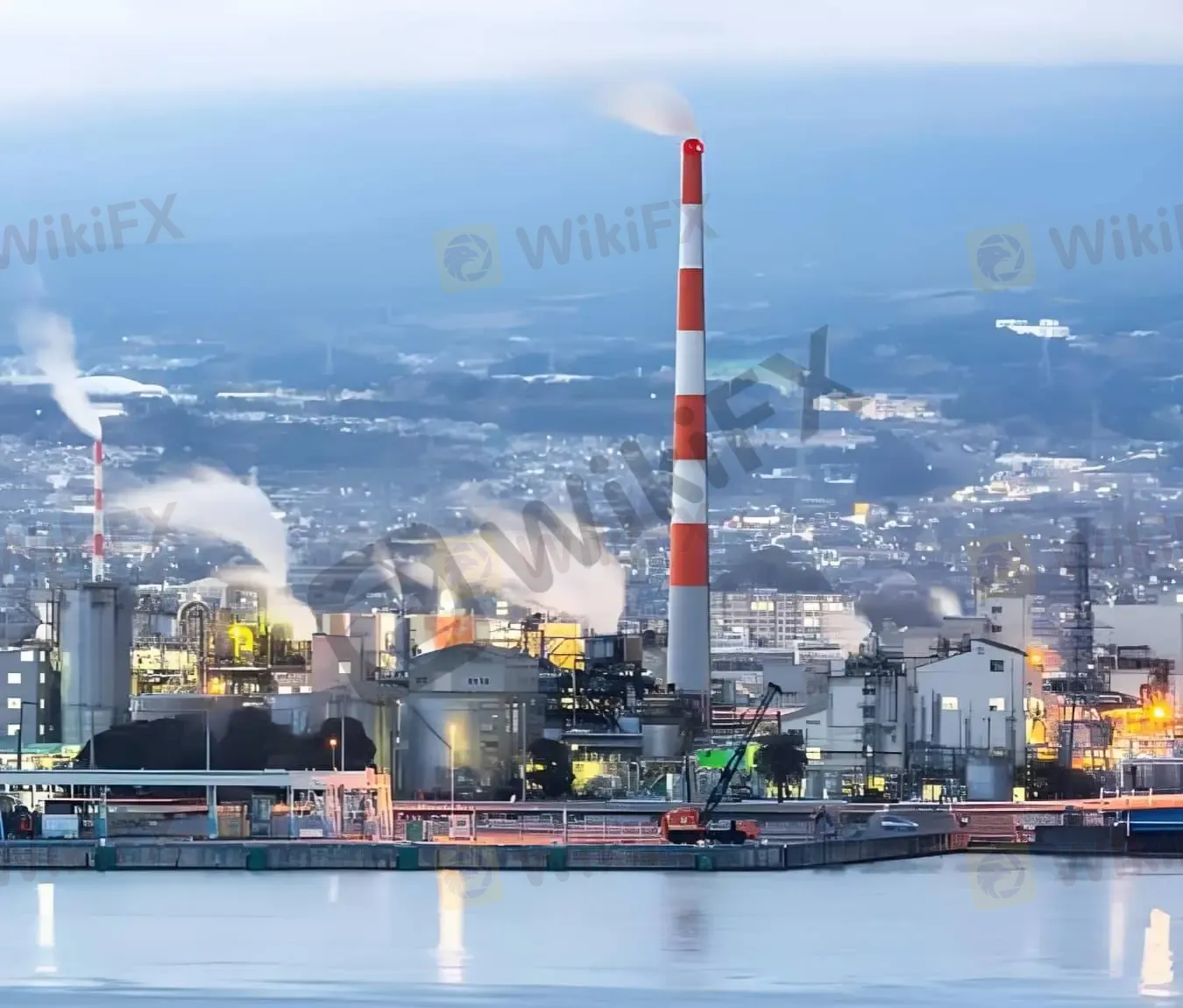
Japans Manufacturing Sector Continues to Expand
Japans economy maintained expansion in June, with the Flash Composite PMI rising from 51.1 to 52.5. The services sector emerged from stagnation, with the Business Activity Index increasing from 50.0 to 51.8. Manufacturing remained strong, with the PMI rising from 54.5 to 54.9 and the Output Index climbing from 54.0 to 54.3, showing that the industrial sector continues to be the main driver of growth.
However, part of the growth was driven by companies bringing forward inventory accumulation and purchases to prepare for supply risks and rising costs. At the same time, input costs recorded their largest increase in nearly four years, prompting firms to continue passing higher costs on to customers. With the Bank of Japan moving further toward policy tightening, future economic performance will still depend on demand conditions and the external environment. FXTRADING believes that Japans economy is currently performing better than expected, but support from inventory replenishment is unlikely to be sustainable over the long term.

Improvement in Services Sector Supports Eurozone Economy
The Eurozone economy continued to show signs of stabilization in June, with the Flash Composite PMI rising from 48.5 to 49.5 and the Services Business Activity Index increasing from 47.7 to 48.9. Manufacturing slowed slightly, with the PMI easing from 51.6 to 51.3 and the Output Index also edging lower, though the sector remained in expansion territory overall.
As tourism and consumer activities gradually recovered, demand in the services sector improved. Lower energy prices have started to ease cost pressures on businesses, while supply chain strains have become less severe than before. Although the overall economy remains weak, the impact of external shocks is diminishing and the pace of economic deterioration has begun to slow. FXTRADING believes that the worst phase for the Eurozone economy may have passed. Easing energy pressures should help improve business conditions, but the foundation for a sustained recovery remains fragile.

UK Economy Remains Weak
The UK economy showed little sign of recovery in June, with the Flash Composite PMI falling from 49.7 to 49.4, marking a second consecutive month in contraction territory. The Services Business Activity Index dropped from 49.3 to 48.7, its lowest level in more than three years. Manufacturing performed relatively better, with the Output Index rising from 52.2 to 53.6, providing some support to overall economic activity.
However, the improvement in manufacturing was largely driven by inventory building rather than a genuine recovery in demand. Businesses continue to face cost pressures and weak demand, while employment keeps declining and market confidence remains subdued. Although lower oil prices have eased some inflation pressures, political uncertainty and external risks continue to weigh on the recovery. FXTRADING believes that the UK economy is likely to remain under pressure from stagnant growth, weak demand, and a soft labor market in the near term, and the overall recovery outlook remains cautious.
(For more insights into global macroeconomic trends and market developments, please follow FXTRADINGs official updates. This information is provided for reference only and does not constitute any form of investment advice.)
Disclaimer:
Le opinioni di questo articolo rappresentano solo le opinioni personali dell’autore e non costituiscono consulenza in materia di investimenti per questa piattaforma. La piattaforma non garantisce l’accuratezza, la completezza e la tempestività delle informazioni relative all’articolo, né è responsabile delle perdite causate dall’uso o dall’affidamento delle informazioni relative all’articolo.
WikiFX Trader
D prime
Sotto supervisione
EC markets
Sotto supervisione
vantage
Sotto supervisione
TMGM
Sotto supervisione
FOREX.com
Supervisione del paese
FXTM
Sotto supervisione
D prime
Sotto supervisione
EC markets
Sotto supervisione
vantage
Sotto supervisione
TMGM
Sotto supervisione
FOREX.com
Supervisione del paese
FXTM
Sotto supervisione
