

Broker Globale Piattaforma di Verifica Regolamentare
WikiFX
Italiano
简体中文
繁體中文
English
Pусский
日本語
ภาษาไทย
Tiếng Việt
Bahasa Indonesia
Español
हिन्दी
Filippiiniläinen
Français
Deutsch
Português
Türkçe
한국어
العربية
اردو
FXTRADING Economic Data Summary (Asia-Pacific | 04/21)
Sommario:New Zealand External Demand Supports Improvement in Trade StructureNew Zealands external trade performance in March remained broadly stable. Exports rose 7.3% year-on-year to NZD 7.9 billion, while im

New Zealand External Demand Supports Improvement in Trade Structure
New Zealands external trade performance in March remained broadly stable. Exports rose 7.3% year-on-year to NZD 7.9 billion, while imports also increased, climbing 9.6% to NZD 7.2 billion. Despite the stronger import growth, export volumes still held a slight edge, resulting in a monthly trade surplus of approximately NZD 698 million, significantly exceeding market expectations of NZD 175 million. From a momentum perspective, external demand continues to be a key pillar supporting the economy, and the expansion of the surplus suggests that export activity retains a degree of resilience.
A deeper breakdown shows that exports to Australia surged 38% year-on-year, while exports to East Asia increased by 11%, with these two major trading partners contributing the bulk of the growth. Meanwhile, exports to the European Union rose 14%, but a 5.9% decline in exports to the United States partially offset the overall momentum. FXTRADING analysis suggests that the current expansion in New Zealands trade surplus is largely driven by the recovery in Asia-Pacific demand. In the short term, export momentum remains supported, but the simultaneous strength in imports indicates that domestic demand has not weakened significantly, meaning the net contribution of trade to economic growth still requires further observation.
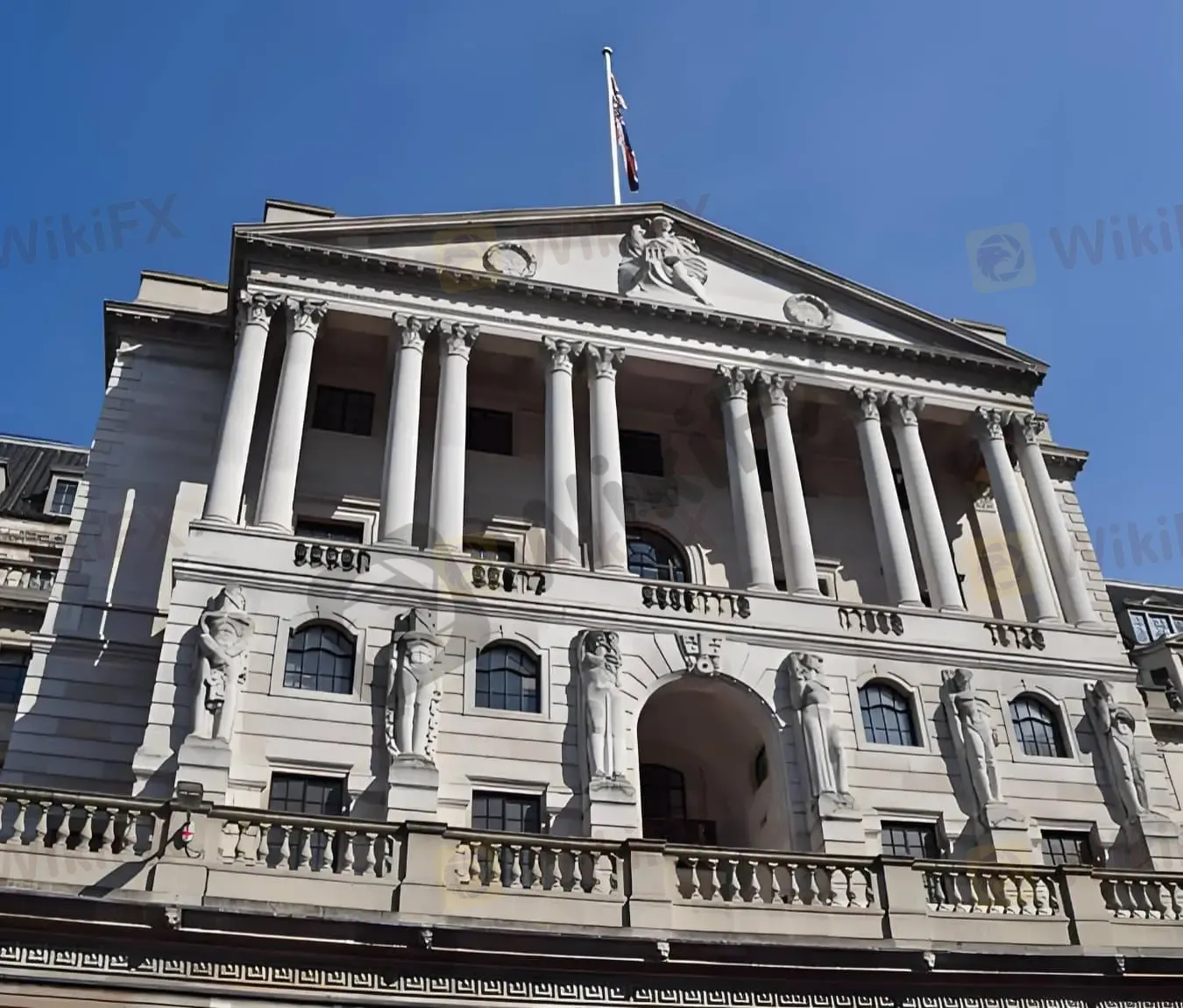
United Kingdom Issues Risk Warning as Financial Vulnerabilities Continue to Build
From the recent remarks by the Bank of England, the current global financial environment has not shown clear signs of disorder, but this stability appears more like a temporary phase rather than a complete dissipation of risks. BoE official Sarah Breeden noted that the systems ability to withstand recent shocks largely reflects structural improvements achieved through years of strengthened regulation, particularly in terms of bank capital and liquidity, which are significantly stronger than during the global financial crisis.
However, the concern lies in the fact that risks have not disappeared but have gradually shifted into areas that are harder to observe directly. Rising leverage in private markets, increased volatility in government bond markets, and elevated asset valuations are all contributing to the buildup of new vulnerabilities. FXTRADING analysis suggests that the signal from the UK is more of a forward-looking warning. The primary risks within the financial system have shifted from traditional banking to non-traditional sectors. While these risks may not erupt in the near term, their convergence could pose a significant threat to market stability.

European Central Bank Shows Greater Tolerance for Inflation Deviations
In its latest meeting accounts, the European Central Bank refrained from taking immediate action in response to inflationary pressures driven by energy price fluctuations, instead opting to continue monitoring incoming data while emphasizing that inflation must return to target on a sustainable path. In terms of stance, the ECB currently leans toward patience rather than preemptive action.
From a policy framework perspective, the ECB has made it clear that it can tolerate a certain degree of short-term deviation in inflation, provided that such deviations are limited in duration and magnitude and do not alter long-term inflation expectations. However, if inflation proves to be persistently elevated, stronger policy measures may still be implemented. FXTRADING analysis suggests that the ECB is currently in a wait-and-see phase, attempting to strike a balance between inflation and growth. The likelihood of near-term policy adjustments remains low, but should inflation expectations begin to lose anchoring, the policy stance could shift quickly.

Subtle Changes Emerge in the U.S. Labor Market Structure
In the week ending April 10, U.S. initial jobless claims fell to 207,000, a decrease of 11,000 from the previous reading and below market expectations of 215,000. The four-week moving average stood at 209,750, remaining at a historically low level, indicating that layoffs remain limited.
However, more detailed data reveals that continuing jobless claims rose to 1.818 million, an increase of 31,000 over the week, suggesting that it is taking longer for some unemployed individuals to find new jobs. FXTRADING analysis suggests that while the U.S. labor market remains broadly resilient, the slowdown in re-employment efficiency is worth monitoring. This structural shift could gradually feed into consumption and economic growth, thereby exerting a marginal influence on the future policy path.
(For more insights into global macroeconomic trends and market developments, please follow FXTRADINGs official updates. This information is provided for reference only and does not constitute any form of investment advice.)
Disclaimer:
Le opinioni di questo articolo rappresentano solo le opinioni personali dell’autore e non costituiscono consulenza in materia di investimenti per questa piattaforma. La piattaforma non garantisce l’accuratezza, la completezza e la tempestività delle informazioni relative all’articolo, né è responsabile delle perdite causate dall’uso o dall’affidamento delle informazioni relative all’articolo.
WikiFX Trader
XM
Sotto supervisione
EC markets
Sotto supervisione
IC Markets Global
Sotto supervisione
FOREX.com
Supervisione del paese
EBC FINANCIAL GROUP
Sotto supervisione
AVATRADE
Sotto supervisione
XM
Sotto supervisione
EC markets
Sotto supervisione
IC Markets Global
Sotto supervisione
FOREX.com
Supervisione del paese
EBC FINANCIAL GROUP
Sotto supervisione
AVATRADE
Sotto supervisione
WikiFX Trader
XM
Sotto supervisione
EC markets
Sotto supervisione
IC Markets Global
Sotto supervisione
FOREX.com
Supervisione del paese
EBC FINANCIAL GROUP
Sotto supervisione
AVATRADE
Sotto supervisione
XM
Sotto supervisione
EC markets
Sotto supervisione
IC Markets Global
Sotto supervisione
FOREX.com
Supervisione del paese
EBC FINANCIAL GROUP
Sotto supervisione
AVATRADE
Sotto supervisione
Rate Calc
USD

CNY
Tasso di cambio attuale:0
inserisci l'importo
USD
A disposizione
CNY
Calcolare 