

Broker Globale Piattaforma di Verifica Regolamentare
WikiFX
Italiano
简体中文
繁體中文
English
Pусский
日本語
ภาษาไทย
Tiếng Việt
Bahasa Indonesia
Español
हिन्दी
Filippiiniläinen
Français
Deutsch
Português
Türkçe
한국어
العربية
اردو
FXTRADING Financial Focus (Asia-Pacific 04/15)IMF Warns of Energy Shock Risks
Sommario:Amid the uncertainty stemming from tensions in the Middle East, the underlying rhythm of the global economy is being disrupted once again. In its latest assessment, the International Monetary Fund has
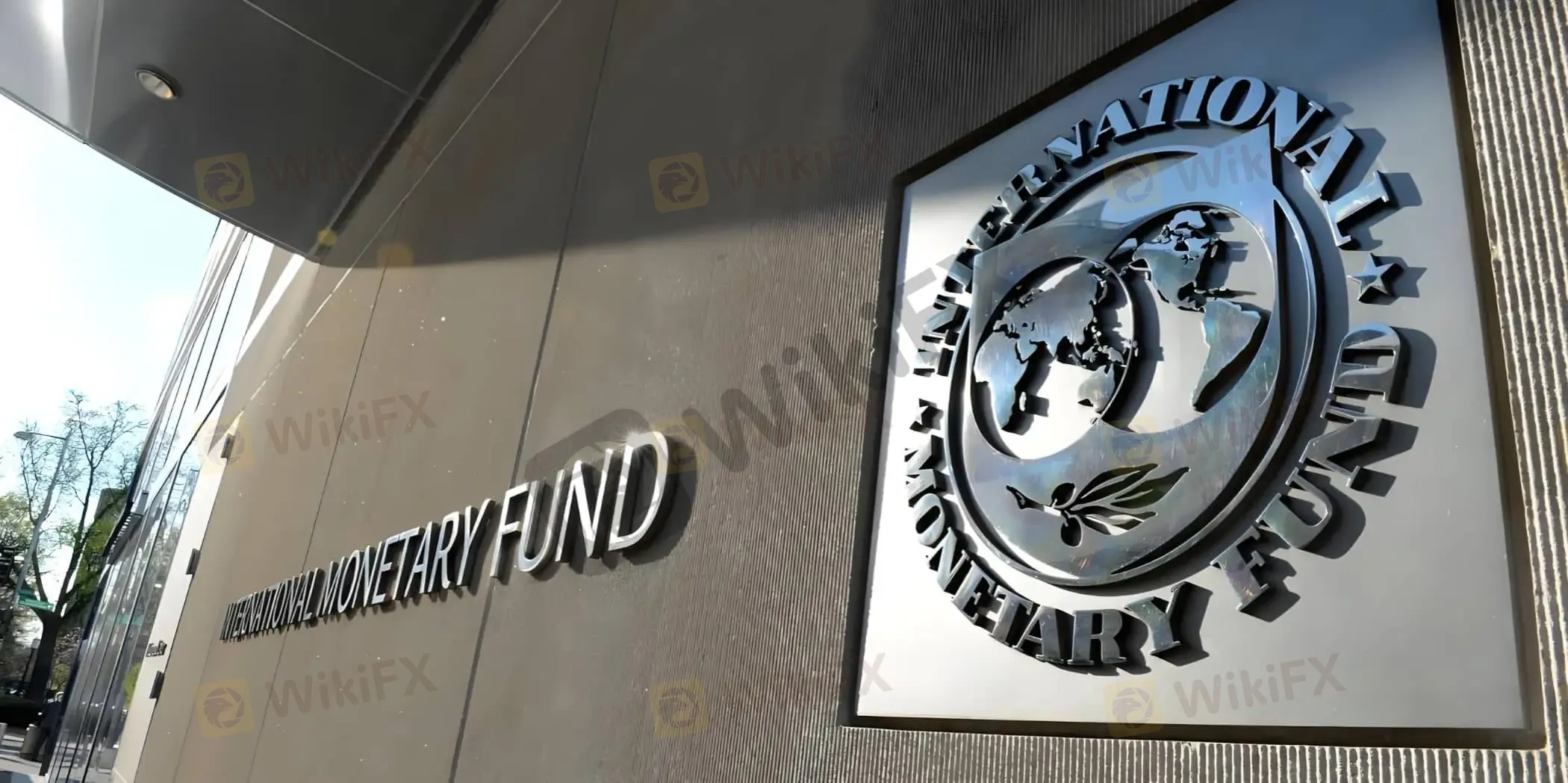
Amid the uncertainty stemming from tensions in the Middle East, the underlying rhythm of the global economy is being disrupted once again. In its latest assessment, the International Monetary Fund has notably raised the level of risk warnings, indicating that the impact of this conflict on the energy system is no longer just a short-term fluctuation, but may alter the trajectory of growth over the coming period. Compared with previous geopolitical conflicts, the current shock is transmitting more directly to the cost side, thereby influencing global demand and inflation expectations.
If the conflict eases relatively quickly, the economy will still face headwinds but retain a certain degree of resilience, with global growth likely holding around 3%. However, even under this relatively mild scenario, growth would still come in below previous expectations, suggesting that the impact has already become substantive. Oil prices, within this framework, are expected to remain elevated, continuously squeezing corporate costs and household spending.
If tensions persist into the second half of the year, the situation will become more challenging. Prolonged high energy prices would further erode consumption while raising production costs for businesses. Under such conditions, global growth could slip toward the 2% range, a level typically seen only during pronounced downturns. More importantly, inflation could reaccelerate, creating a combination of slowing growth and rising prices, significantly constraining policy space.
In a more extreme scenario where the conflict extends beyond the current year, the consequences would go beyond the economic sphere, potentially spilling over into financial and social domains. Instability in energy supply would amplify pressures on food and transportation costs, and some vulnerable economies could face greater external shocks, even triggering localized instability. Internal IMF assessments suggest that the risk of such a deep downturn is gradually accumulating, with the probability of deterioration now exceeding that of an unexpected improvement.
From a regional perspective, the Middle East would bear the brunt of the shock, with growth expectations being significantly downgraded, while Europe, given its sensitivity to energy prices, would also face notable drag. In contrast, economies with energy resources or structural advantages are better positioned to absorb the impact. The United States remains relatively resilient in this cycle, supported by its energy supply capacity and ongoing investment in artificial intelligence, which is helping to improve infrastructure and productivity, offsetting part of the external pressure.
At the policy level, authorities are increasingly facing a dilemma. If inflation begins to rise again, central banks will find it difficult to ignore price stability objectives; however, maintaining a restrictive stance would further weigh on already slowing growth. The experience of elevated inflation in recent years has made policymakers more sensitive to any signs of price pressure, suggesting that future policy adjustments may become more cautious or even conservative, thereby prolonging the economic recovery cycle.
Looking ahead, if the energy shock continues to unfold, it is likely to transmit along supply chains, affecting manufacturing, transportation, and ultimately end consumption, while also reshaping capital flows and investment structures. Food supply, fiscal burdens, and social stability could all emerge as new sources of uncertainty. The global economy is no longer driven by a single variable, but by the interaction of multiple risks. From the perspective of FXTRADING, the key issue is not short-term volatility, but how the duration of the conflict reshapes cost structures and expectation frameworks. If energy prices remain elevated for an extended period, the global economy may gradually enter a phase characterized by low growth and high uncertainty, where risk management becomes increasingly critical and market reactions to macro developments become more sensitive and differentiated.
(For more insights into global macroeconomic trends and market developments, please follow FXTRADINGs official updates. This information is provided for reference only and does not constitute any form of investment advice.)
Disclaimer:
Le opinioni di questo articolo rappresentano solo le opinioni personali dell’autore e non costituiscono consulenza in materia di investimenti per questa piattaforma. La piattaforma non garantisce l’accuratezza, la completezza e la tempestività delle informazioni relative all’articolo, né è responsabile delle perdite causate dall’uso o dall’affidamento delle informazioni relative all’articolo.
WikiFX Trader
FOREX.com
Supervisione del paese
EBC FINANCIAL GROUP
Sotto supervisione
VT Markets
Sotto supervisione
FxPro
Sotto supervisione
EC markets
Sotto supervisione
TMGM
Sotto supervisione
FOREX.com
Supervisione del paese
EBC FINANCIAL GROUP
Sotto supervisione
VT Markets
Sotto supervisione
FxPro
Sotto supervisione
EC markets
Sotto supervisione
TMGM
Sotto supervisione
WikiFX Trader
FOREX.com
Supervisione del paese
EBC FINANCIAL GROUP
Sotto supervisione
VT Markets
Sotto supervisione
FxPro
Sotto supervisione
EC markets
Sotto supervisione
TMGM
Sotto supervisione
FOREX.com
Supervisione del paese
EBC FINANCIAL GROUP
Sotto supervisione
VT Markets
Sotto supervisione
FxPro
Sotto supervisione
EC markets
Sotto supervisione
TMGM
Sotto supervisione
Rate Calc
USD

CNY
Tasso di cambio attuale:0
inserisci l'importo
USD
A disposizione
CNY
Calcolare 