

Broker Globale Piattaforma di Verifica Regolamentare
WikiFX
Italiano
简体中文
繁體中文
English
Pусский
日本語
ภาษาไทย
Tiếng Việt
Bahasa Indonesia
Español
हिन्दी
Filippiiniläinen
Français
Deutsch
Português
Türkçe
한국어
العربية
اردو

FXTRADING Economic Data Summary (Asia-Pacific | 04/09)
Sommario:The Reserve Bank of New Zealand chose to stay on holdThe Reserve Bank of New Zealand kept its policy rate unchanged at 2.25%. On the surface, there was no action, but the signal behind it is far from

The Reserve Bank of New Zealand chose to stay on hold
The Reserve Bank of New Zealand kept its policy rate unchanged at 2.25%. On the surface, there was no action, but the signal behind it is far from relaxed. The key point is that the central bank is no longer simply emphasizing observation; it is starting to lay the groundwork for potential rate hikes ahead. Particularly on inflation expectations, the tone has clearly become more sensitive. Once expectations begin to lose their anchor, the policy response is unlikely to be slow.
Looking deeper, a large part of current inflation pressure comes from oil prices, but the central bank is more concerned about whether this pressure will spill over into wages and service prices. If that chain reaction forms, the issue will no longer be a short-term shock but a more persistent inflation environment. FXTRADING believes the RBNZ is trying to stabilize the current pace while keeping room to pivot quickly. If inflation expectations start to drift, rate hikes could come sooner than the market expects.

US ISM services data shows signs of slowing
The US ISM services data for March does not look weak at first glance, but the underlying details suggest problems are beginning to emerge. The headline index has declined, indicating that growth momentum is cooling, while business activity has notably softened, returning to recent lows. This shift reflects firms actively pulling back after facing rising cost pressures.
More importantly, the employment component has weakened again, showing that companies are becoming more cautious about hiring. This stands in contrast with stronger new orders, suggesting demand is still there but firms are reluctant to expand. The reason is straightforward: costs are rising too quickly, squeezing profit margins and increasing uncertainty. FXTRADING believes the US services sector is entering a phase where demand remains intact but confidence is fading. If price pressures continue to rise, this structure could easily drift toward stagflation.

Energy factors drive a decline in Eurozone producer inflation
Eurozone producer prices fell in February, largely dragged down by lower energy prices. On the surface, this appears to be a sign of easing inflation, but a closer look at the structure tells a different story. Outside of energy, most categories are still seeing price increases, indicating that underlying cost pressures have not truly disappeared.
This suggests the current disinflation is more temporary than structural. Especially with ongoing instability in the Middle East, any renewed rise in energy prices could quickly push producer-side pressures higher again and pass through to consumers. FXTRADING believes that while inflation in the Eurozone has eased in the short term, its foundation remains fragile. If energy prices reverse higher, inflation pressures could reaccelerate.
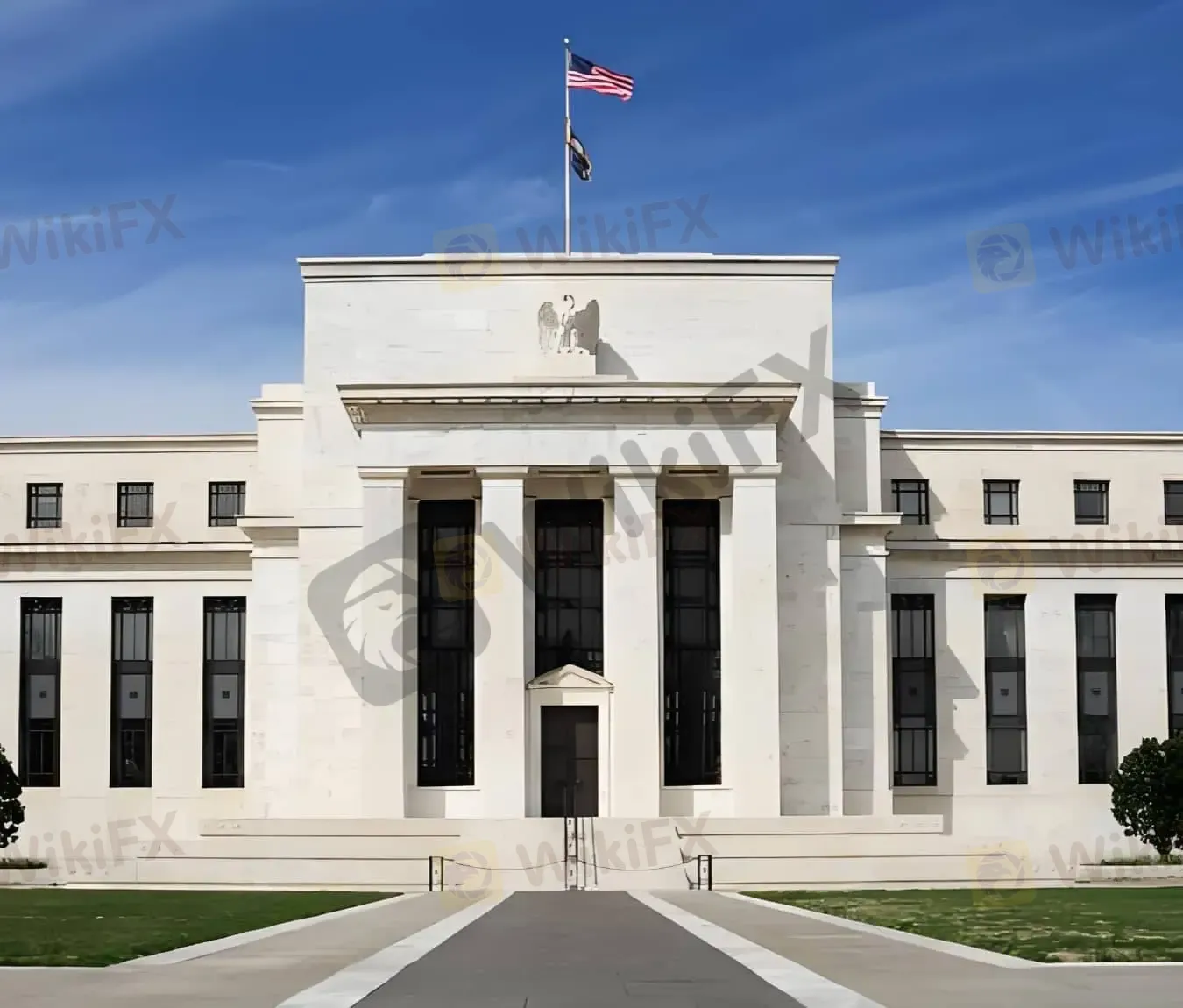
The Federal Reserve is becoming more alert to renewed inflation risks
Recent comments from multiple Fed officials have turned noticeably more cautious and somewhat more hawkish. Inflation is no longer seen as a problem that is gradually easing but is once again becoming a central risk. Energy shocks combined with tariff effects are making price pressures more persistent, a development that has clearly caught policymakers attention.
At the same time, the labor market remains relatively stable, which is why the Fed has not rushed into action. Hiring and layoffs are both subdued, leaving the overall market in a delicate but not entirely secure balance. This combination is tricky. If inflation continues to rise while the labor market starts to weaken, policymaking will become significantly more challenging. FXTRADING believes the Fed is shifting from a wait-and-see stance toward a more vigilant posture. If inflation remains elevated, policy could tighten again, and markets may need to reassess the rate path.
(For more insights into global macroeconomic trends and market developments, please follow FXTRADINGs official updates. This information is provided for reference only and does not constitute any form of investment advice.)
Disclaimer:
Le opinioni di questo articolo rappresentano solo le opinioni personali dell’autore e non costituiscono consulenza in materia di investimenti per questa piattaforma. La piattaforma non garantisce l’accuratezza, la completezza e la tempestività delle informazioni relative all’articolo, né è responsabile delle perdite causate dall’uso o dall’affidamento delle informazioni relative all’articolo.
WikiFX Trader
WikiFX Trader
Rate Calc
USD

CNY
Tasso di cambio attuale:0
inserisci l'importo
USD
A disposizione
CNY
Calcolare 