

Broker Globale Piattaforma di Verifica Regolamentare
WikiFX
Italiano
简体中文
繁體中文
English
Pусский
日本語
ภาษาไทย
Tiếng Việt
Bahasa Indonesia
Español
हिन्दी
Filippiiniläinen
Français
Deutsch
Português
Türkçe
한국어
العربية
اردو

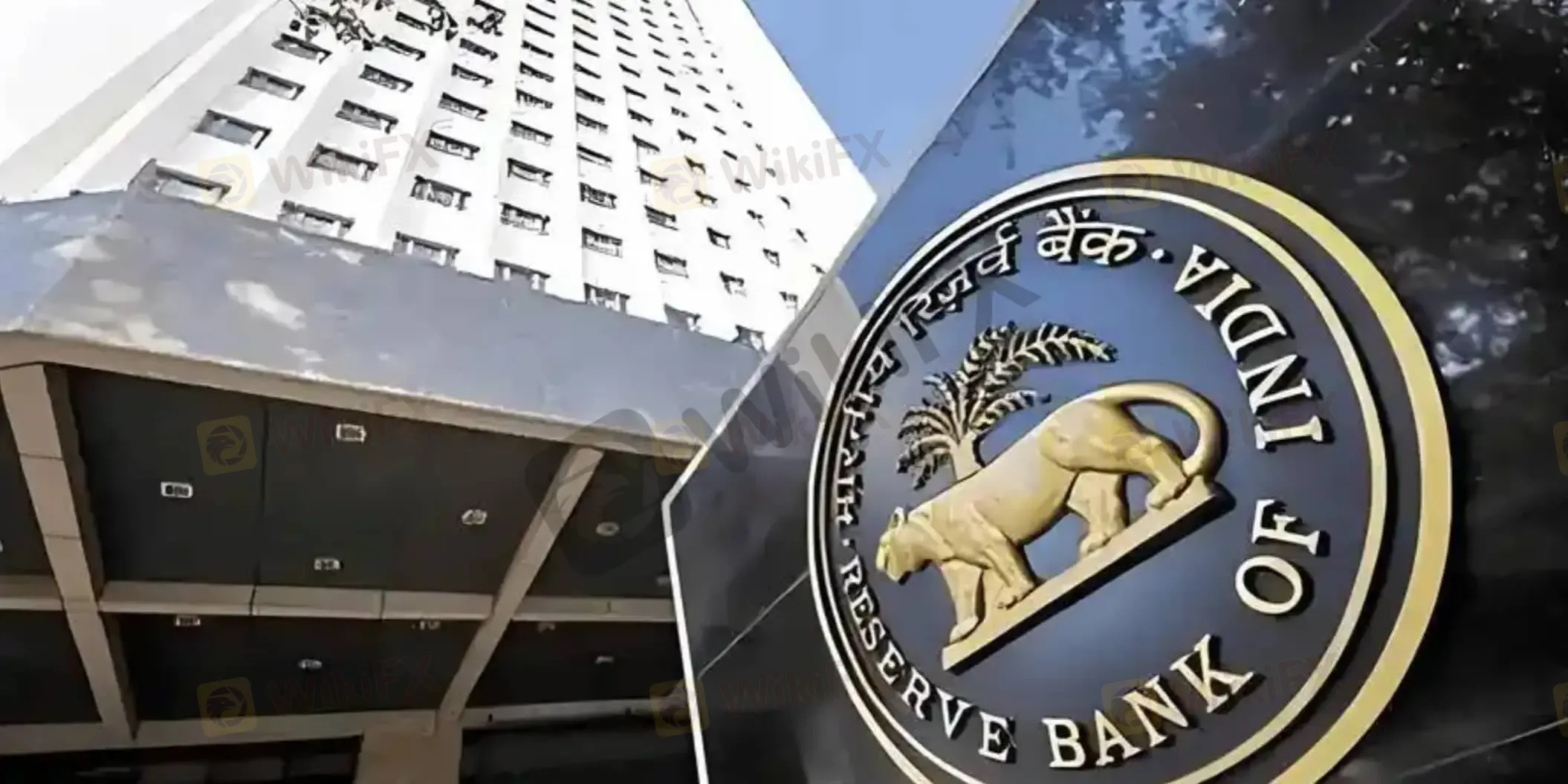
FXTRADING Financial Focus (Asia-Pacific 04/09)RBI Holds Rates, Flags Inflation and External Risks
Sommario:At its latest policy meeting, the Monetary Policy Committee of the Reserve Bank of India unanimously decided to keep interest rates unchanged. The benchmark repo rate remains at 5.25%, the Standing De

At its latest policy meeting, the Monetary Policy Committee of the Reserve Bank of India unanimously decided to keep interest rates unchanged. The benchmark repo rate remains at 5.25%, the Standing Deposit Facility rate stays at 5.00%, and the Marginal Standing Facility rate continues at 5.50%. Against a backdrop of persistent global uncertainty, policymakers prefer to maintain the current rate corridor for now, allowing previous policy measures to continue transmitting through the economy. The overall policy stance remains neutral, indicating that the central bank is neither in a hurry to tighten nor considering a shift toward easing.
In its policy communication, the central bank emphasized that external uncertainties are clearly rising. Ongoing Middle East tensions have led to sharp fluctuations in energy and commodity prices, while global financial market sentiment has become more sensitive. For India, higher energy prices could reintroduce cost pressures into the domestic economy, and supply chain disruptions may affect business production cycles. While these risks may initially appear as supply-side shocks, if they persist, they could gradually evolve into a drag on demand.
According to the latest projections, India‘s real GDP growth for fiscal year 2027 is expected to come in around 6.9%. Although this remains relatively strong by global standards, some quarterly forecasts have been adjusted. Growth for the second quarter has been slightly revised down from 7.0% to 6.7%, reflecting policymakers’ caution toward near-term conditions. Growth in other quarters is broadly stable, with the first quarter projected at 6.8%, the third quarter around 7.0%, and the fourth quarter close to 7.2%. Overall, the economy remains resilient, but the growth path may face intermittent disruptions from external shocks.
On inflation, the Reserve Bank of India expects average consumer price inflation for fiscal year 2027 to be around 4.6%. From a quarterly perspective, inflation is relatively moderate at the start of the year, hovering near 4.0%, before rising to around 5.2% in the third quarter as the impact of higher energy prices feeds through, and then easing back to about 4.7%. Policymakers specifically noted that although recent headline inflation has been stable, the recent surge in energy prices has significantly altered the risk outlook for the coming months.
Beyond energy factors, climate conditions are also seen as a potential risk. The possible return of El Niño could affect agricultural output, and food prices carry a substantial weight in India‘s inflation basket. Any weather-related disruptions tend to pass through quickly into overall price levels. At the same time, if global growth continues to slow, India’s export demand and remittance inflows could also come under pressure. Taken together, these factors reinforce the central banks cautious policy approach.
On exchange rate and financial system issues, the rupee remains market-determined, with no explicit target band set by the central bank. Any foreign exchange intervention, if conducted, is aimed solely at smoothing excessive short-term volatility rather than altering the broader trend. Indias foreign exchange reserves currently stand at nearly USD 700 billion, covering approximately 11 months of imports, providing a solid buffer for macroeconomic stability.
From a policy tools perspective, the central bank also plans to further optimize the functioning of the financial system. This includes adjusting certain regulatory requirements, such as removing investment fluctuation reserve rules, to help lower financing costs for businesses and operational costs for financial institutions. The central bank also stated it will continue to manage domestic liquidity flexibly and take more proactive measures if necessary to prevent external risk sentiment from excessively impacting consumption, investment, and credit conditions. From the FXTRADING perspective, the core message from this policy meeting is quite clear. While India‘s long-term growth fundamentals remain solid, global energy shocks and geopolitical risks are reshaping the macro environment. The Reserve Bank of India’s current approach resembles a defensive policy framework, prioritizing stability while growth remains resilient, and preserving policy flexibility to navigate potential fluctuations in inflation, external demand, and financial market conditions.
(For more insights into global macroeconomic trends and market developments, please follow FXTRADINGs official updates. This information is provided for reference only and does not constitute any form of investment advice.)
Disclaimer:
Le opinioni di questo articolo rappresentano solo le opinioni personali dell’autore e non costituiscono consulenza in materia di investimenti per questa piattaforma. La piattaforma non garantisce l’accuratezza, la completezza e la tempestività delle informazioni relative all’articolo, né è responsabile delle perdite causate dall’uso o dall’affidamento delle informazioni relative all’articolo.
WikiFX Trader
AVATRADE
Sotto supervisione
EBC FINANCIAL GROUP
Sotto supervisione
FXTM
Sotto supervisione
TICKMILL
Sotto supervisione
FOREX.com
Supervisione del paese
JustMarkets
Sotto supervisione
AVATRADE
Sotto supervisione
EBC FINANCIAL GROUP
Sotto supervisione
FXTM
Sotto supervisione
TICKMILL
Sotto supervisione
FOREX.com
Supervisione del paese
JustMarkets
Sotto supervisione
WikiFX Trader
AVATRADE
Sotto supervisione
EBC FINANCIAL GROUP
Sotto supervisione
FXTM
Sotto supervisione
TICKMILL
Sotto supervisione
FOREX.com
Supervisione del paese
JustMarkets
Sotto supervisione
AVATRADE
Sotto supervisione
EBC FINANCIAL GROUP
Sotto supervisione
FXTM
Sotto supervisione
TICKMILL
Sotto supervisione
FOREX.com
Supervisione del paese
JustMarkets
Sotto supervisione
Rate Calc
USD

CNY
Tasso di cambio attuale:0
inserisci l'importo
USD
A disposizione
CNY
Calcolare 