

Broker Globale Piattaforma di Verifica Regolamentare
WikiFX
Italiano
简体中文
繁體中文
English
Pусский
日本語
ภาษาไทย
Tiếng Việt
Bahasa Indonesia
Español
हिन्दी
Filippiiniläinen
Français
Deutsch
Português
Türkçe
한국어
العربية
اردو
Oil Falls After Two-Week Ceasefire Eases Supply Fears
Sommario:Global oil prices dropped sharply following a temporary ceasefire between the United States and Iran, easing immediate concerns over supply disruptions in the Middle East. Both Brent crude and WTI rec
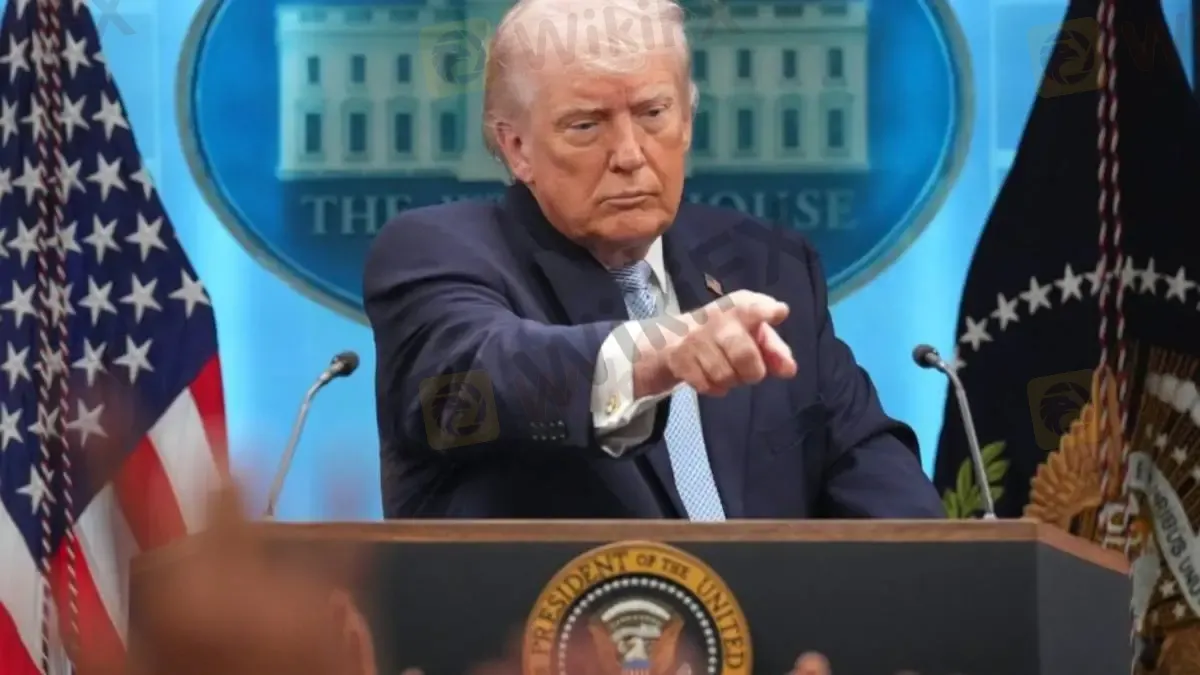
Global oil prices dropped sharply following a temporary ceasefire between the United States and Iran, easing immediate concerns over supply disruptions in the Middle East. Both Brent crude and WTI recorded steep declines—falling more than 13% and 14% respectively—pushing prices below the key $100 per barrel level.
Market Reaction and Risk Repricing
The sudden drop reflects the unwinding of a geopolitical risk premium that had built up during weeks of escalating tensions. Prior to the ceasefire, oil prices had surged significantly as traders feared a prolonged conflict could disrupt supply, particularly through the Strait of Hormuz.
With the announcement of a two-week truce, markets quickly recalibrated. The ceasefire signaled a temporary pause in hostilities, reducing the likelihood of immediate supply shocks and prompting a rapid sell-off in oil.
Importance of the Strait of Hormuz
The Strait of Hormuz remains central to market dynamics. Roughly 20% of global oil shipments pass through this narrow waterway, making it one of the most critical نقاط in the global energy system.
While the ceasefire raises hopes for safer transit, uncertainty persists. The agreement is temporary and conditional, meaning any disruption or breakdown could quickly reverse the recent price decline.
Why Prices Fell So Sharply
The steep fall in oil prices is largely due to the rapid removal of risk premiums:
Reduced fear of supply disruption
Expectations of resumed shipping flows
Shift in geopolitical tone toward negotiation
However, this decline does not necessarily signal long-term stability. Markets continue to price in underlying risks tied to the region.
Ongoing Uncertainty
Despite the ceasefire, tensions have not fully subsided. Reports of continued military activity and warnings across Gulf states highlight the fragile nature of the agreement. This keeps traders cautious, as even minor incidents could trigger renewed volatility.
In addition, unusual pricing patterns have emerged. Short-term oil contracts remain elevated compared to future prices, reflecting immediate uncertainty even as longer-term outlooks improve.
What Comes Next
The direction of oil markets now depends heavily on whether the ceasefire holds:
A sustained truce could stabilize prices at lower levels
A breakdown could lead to another sharp rally
Continued uncertainty will likely keep volatility elevated
Conclusion
The recent drop in oil prices underscores how sensitive energy markets are to geopolitical developments. While the ceasefire has provided short-term relief, it remains a temporary measure rather than a lasting solution.
With the Strait of Hormuz still a focal point of risk, oil markets are likely to remain volatile. Investors are navigating a delicate balance between optimism and caution, as todays relief could quickly give way to renewed uncertainty.
Disclaimer:
Le opinioni di questo articolo rappresentano solo le opinioni personali dell’autore e non costituiscono consulenza in materia di investimenti per questa piattaforma. La piattaforma non garantisce l’accuratezza, la completezza e la tempestività delle informazioni relative all’articolo, né è responsabile delle perdite causate dall’uso o dall’affidamento delle informazioni relative all’articolo.
WikiFX Trader
Exness
Sotto supervisione
FOREX.com
Supervisione del paese
EBC FINANCIAL GROUP
Sotto supervisione
TICKMILL
Sotto supervisione
FXTM
Sotto supervisione
JustMarkets
Sotto supervisione
Exness
Sotto supervisione
FOREX.com
Supervisione del paese
EBC FINANCIAL GROUP
Sotto supervisione
TICKMILL
Sotto supervisione
FXTM
Sotto supervisione
JustMarkets
Sotto supervisione
WikiFX Trader
Exness
Sotto supervisione
FOREX.com
Supervisione del paese
EBC FINANCIAL GROUP
Sotto supervisione
TICKMILL
Sotto supervisione
FXTM
Sotto supervisione
JustMarkets
Sotto supervisione
Exness
Sotto supervisione
FOREX.com
Supervisione del paese
EBC FINANCIAL GROUP
Sotto supervisione
TICKMILL
Sotto supervisione
FXTM
Sotto supervisione
JustMarkets
Sotto supervisione
Rate Calc
USD

CNY
Tasso di cambio attuale:0
inserisci l'importo
USD
A disposizione
CNY
Calcolare 