

Broker Globale Piattaforma di Verifica Regolamentare
WikiFX
Italiano
简体中文
繁體中文
English
Pусский
日本語
ภาษาไทย
Tiếng Việt
Bahasa Indonesia
Español
हिन्दी
Filippiiniläinen
Français
Deutsch
Português
Türkçe
한국어
العربية
اردو
FXTRADING Financial Focus (Asia-Pacific 04/08)Korea Boosts Financing Amid Middle East Shock
Sommario:Recently, the South Korean government has clearly stepped up support for the real economy, especially for industries that have been continuously impacted by the Middle East situation. Financial regula
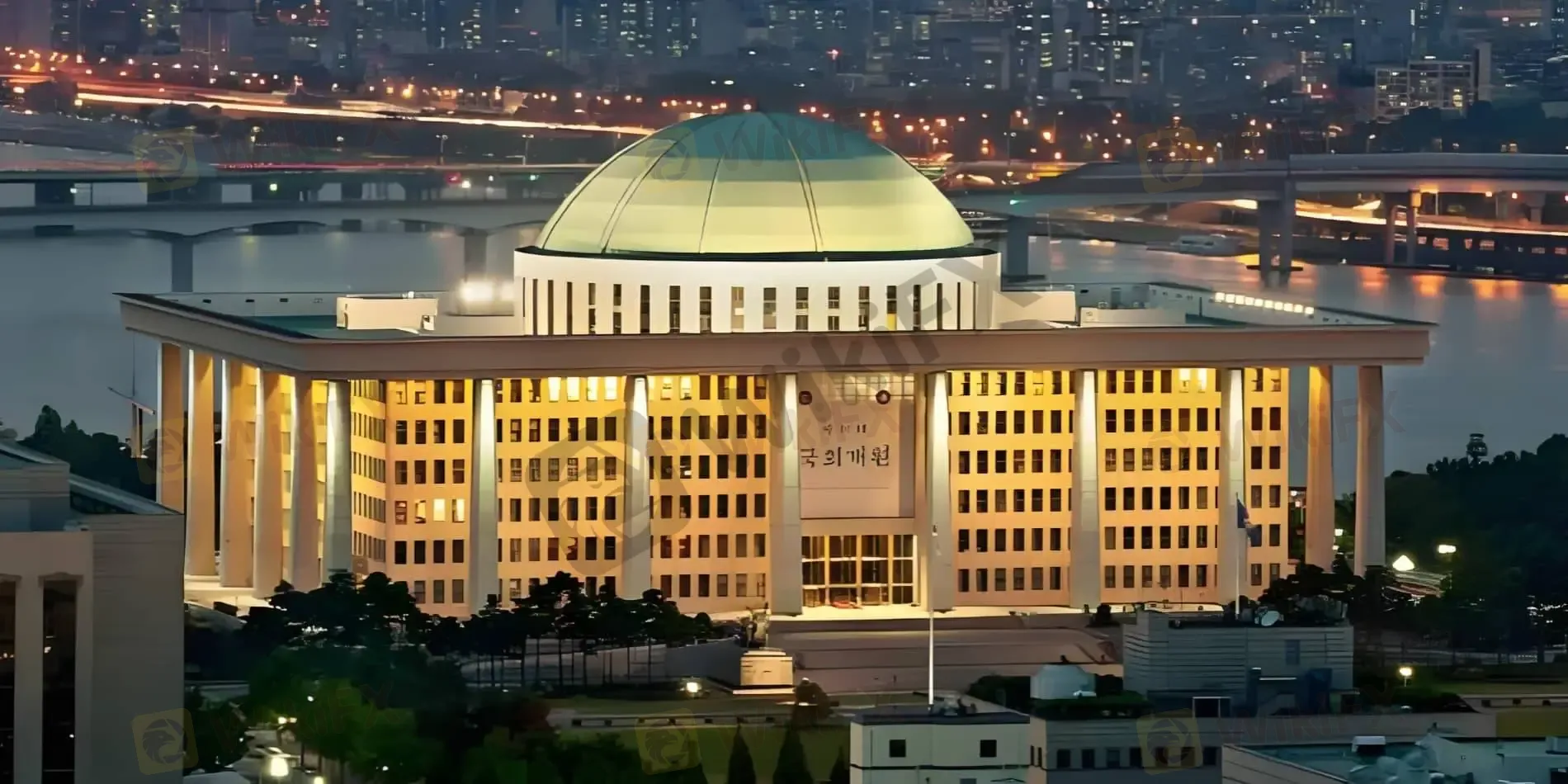
Recently, the South Korean government has clearly stepped up support for the real economy, especially for industries that have been continuously impacted by the Middle East situation. Financial regulators have sent a relatively clear signal that this is not just short-term relief, but a coordinated effort to stabilize industrial chains through a full set of financing tools. On the fiscal side, policy financing has been expanded from an initial KRW 20.3 trillion to KRW 24.3 trillion, with plans to further increase it to KRW 26.8 trillion through a supplementary budget. The scale of this expansion itself suggests that the situation is far from easy.
The most immediate pressure is on upstream sectors such as petrochemicals and refining. As long as uncertainty in crude oil supply persists, costs will remain unstable. Feedback from companies has been largely consistent: on one hand, they are urgently seeking alternative sources of raw materials globally, from the United States to Africa, attempting to diversify procurement. However, these measures are more of a temporary response, as transportation costs and delivery times are rising. If disruptions persist, production rhythms could still be affected.
To prevent a breakdown in corporate cash flows during this period, regulators are focusing on cushioning the financing side. One key tool is P-CBO, a structured financing mechanism based on corporate bonds. Policies have been eased, allowing small and medium-sized enterprises to lower repayment ratios and reduce interest spreads when refinancing within the next year. This effectively frees up more cash flow for companies to cope with rising costs, rather than being squeezed by debt burdens.
Beyond policy tools, the financial system itself is also coordinating. South Koreas five major financial holding groups have pledged to provide more than KRW 53 trillion in funding through new financing arrangements. This portion of funding serves as a market-based complement, working alongside government support to both underpin the system and improve access to financing, thereby preventing a passive contraction in corporate funding conditions.
On the critical issue of energy, authorities have not avoided the challenge. The Korea Development Bank and the Export-Import Bank of Korea are discussing liquidity support for the national oil company, with a focus on ensuring continuity in crude oil procurement. This move is particularly important because if core energy firms face funding stress, the impact would extend beyond a single company to the operational efficiency of the entire petrochemical chain.
At the same time, the government is preparing more structural measures. A KRW 1 trillion corporate restructuring fund is set to be established this month, targeting six key industries including petrochemicals. The role of this fund is not only to provide immediate support, but also to facilitate capacity optimization by screening and restructuring assets through capital intervention, thereby enhancing resilience.
Looking ahead, if the Middle East situation drags on, these measures in South Korea are likely to evolve from temporary support into more permanent tools. In the short term, they can stabilize financing and production, but over the medium to long term, they will also push industries to reassess supply chain layouts, reduce reliance on single regions, and accelerate internal consolidation, phasing out less efficient players. From the FXTRADING perspective, this policy mix resembles a typical defensive strategy, aiming to stabilize both financing and industrial chains while preventing external shocks from spilling over into the financial system. While risks can be cushioned in the short term, sustained energy disruptions would still gradually expose pressure on corporate profitability and structural adjustment.
Disclaimer:
Le opinioni di questo articolo rappresentano solo le opinioni personali dell’autore e non costituiscono consulenza in materia di investimenti per questa piattaforma. La piattaforma non garantisce l’accuratezza, la completezza e la tempestività delle informazioni relative all’articolo, né è responsabile delle perdite causate dall’uso o dall’affidamento delle informazioni relative all’articolo.
WikiFX Trader
Exness
Sotto supervisione
TMGM
Sotto supervisione
STARTRADER
Sotto supervisione
eightcap
Sotto supervisione
GTCFX
Sotto supervisione
D prime
Supervisione del paese
Exness
Sotto supervisione
TMGM
Sotto supervisione
STARTRADER
Sotto supervisione
eightcap
Sotto supervisione
GTCFX
Sotto supervisione
D prime
Supervisione del paese
WikiFX Trader
Exness
Sotto supervisione
TMGM
Sotto supervisione
STARTRADER
Sotto supervisione
eightcap
Sotto supervisione
GTCFX
Sotto supervisione
D prime
Supervisione del paese
Exness
Sotto supervisione
TMGM
Sotto supervisione
STARTRADER
Sotto supervisione
eightcap
Sotto supervisione
GTCFX
Sotto supervisione
D prime
Supervisione del paese
Rate Calc
USD

CNY
Tasso di cambio attuale:0
inserisci l'importo
USD
A disposizione
CNY
Calcolare 