

Broker Globale Piattaforma di Verifica Regolamentare
WikiFX
Italiano
简体中文
繁體中文
English
Pусский
日本語
ภาษาไทย
Tiếng Việt
Bahasa Indonesia
Español
हिन्दी
Filippiiniläinen
Français
Deutsch
Português
Türkçe
한국어
العربية
اردو
Qatar LNG Ships Turn Back Amid Strait of Hormuz Tensions
Sommario:Recent ship-tracking data indicates that two liquefied natural gas (LNG) carriers from Qatar have reversed course instead of exiting the Strait of Hormuz, highlighting ongoing disruptions in one of th
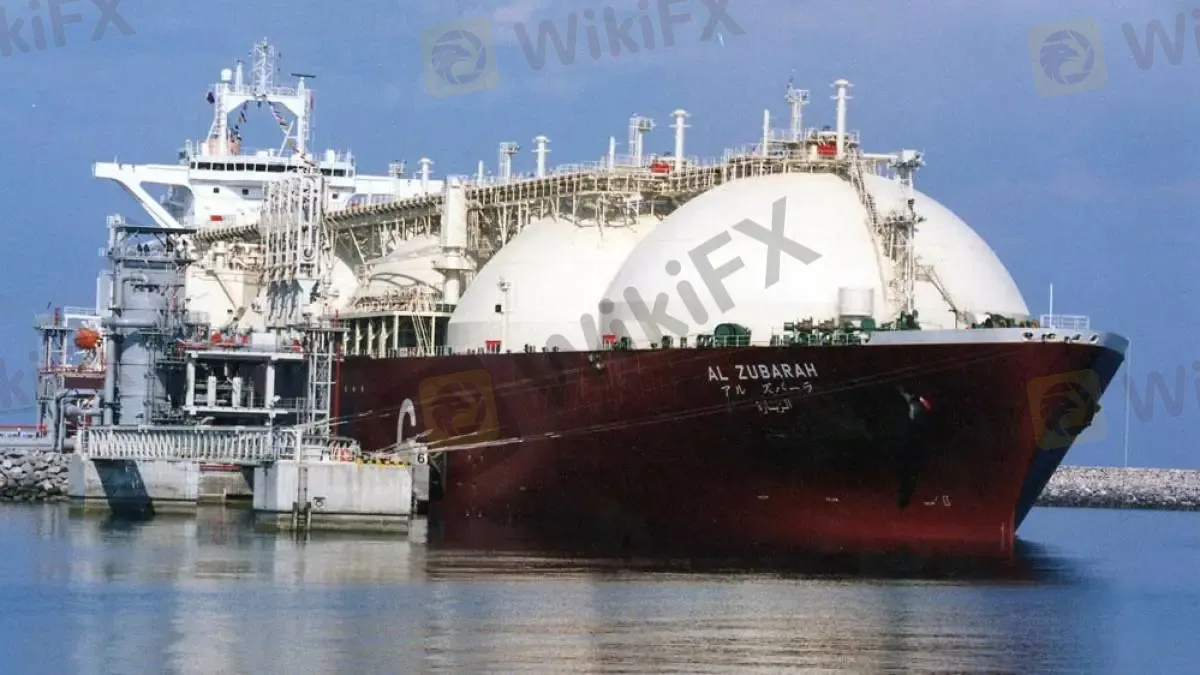
Recent ship-tracking data indicates that two liquefied natural gas (LNG) carriers from Qatar have reversed course instead of exiting the Strait of Hormuz, highlighting ongoing disruptions in one of the worlds most critical energy corridors.
The vessels—Al Daayen and Rasheeda—were initially signaling routes out of the Persian Gulf, with earlier indications pointing toward destinations such as Pakistan. However, both ships have since redirected westward. Al Daayen changed its destination to Ras Laffan, Qatars main LNG export hub, while Rasheeda is reported to be waiting for further instructions in nearby waters.
These developments come amid heightened geopolitical tensions following military actions involving the United States, Israel, and Iran earlier this year. Since those strikes, Iran has imposed restrictions on transit through the Strait of Hormuz, reportedly allowing only its own vessels or those explicitly approved to pass. As a result, no LNG cargo shipments have successfully transited the strait since late February, although an empty tanker has managed to pass.
Before the escalation, the Strait of Hormuz handled roughly 20% of global LNG flows, with the majority originating from Qatar and some from the United Arab Emirates. The inability to move cargo through this route has significant implications for global energy markets, as it disrupts supply chains and delays deliveries.
Both Al Daayen and Rasheeda had loaded LNG cargo at Ras Laffan in late February. At one point, Al Daayen appeared to approach the strait, briefly signaling a route toward China before reversing direction and updating its destination multiple times. The vessels have since remained in waters near Abu Dhabi, reflecting uncertainty around safe passage.
Tracking ship movements in the region remains difficult due to signal interference and the intentional disabling of transponders, a common practice during periods of conflict. The ships are linked to major operators, with Al Daayen managed by Seapeak and Rasheeda owned by Nakilat. Meanwhile, QatarEnergy, which operates Ras Laffan—the worlds largest LNG export facility—has not publicly commented on the situation.
In summary, the apparent retreat of these LNG carriers underscores the continued instability in the Strait of Hormuz. With transit restrictions still in place and no clear resolution in sight, global energy flows remain vulnerable to further disruption.
Disclaimer:
Le opinioni di questo articolo rappresentano solo le opinioni personali dell’autore e non costituiscono consulenza in materia di investimenti per questa piattaforma. La piattaforma non garantisce l’accuratezza, la completezza e la tempestività delle informazioni relative all’articolo, né è responsabile delle perdite causate dall’uso o dall’affidamento delle informazioni relative all’articolo.
WikiFX Trader
FOREX.com
Supervisione del paese
AVATRADE
Sotto supervisione
eightcap
Sotto supervisione
HFM
Sotto supervisione
GTCFX
Sotto supervisione
VT Markets
Sotto supervisione
FOREX.com
Supervisione del paese
AVATRADE
Sotto supervisione
eightcap
Sotto supervisione
HFM
Sotto supervisione
GTCFX
Sotto supervisione
VT Markets
Sotto supervisione
WikiFX Trader
FOREX.com
Supervisione del paese
AVATRADE
Sotto supervisione
eightcap
Sotto supervisione
HFM
Sotto supervisione
GTCFX
Sotto supervisione
VT Markets
Sotto supervisione
FOREX.com
Supervisione del paese
AVATRADE
Sotto supervisione
eightcap
Sotto supervisione
HFM
Sotto supervisione
GTCFX
Sotto supervisione
VT Markets
Sotto supervisione
Rate Calc
USD

CNY
Tasso di cambio attuale:0
inserisci l'importo
USD
A disposizione
CNY
Calcolare 