

Broker Globale Piattaforma di Verifica Regolamentare
WikiFX
Italiano
简体中文
繁體中文
English
Pусский
日本語
ภาษาไทย
Tiếng Việt
Bahasa Indonesia
Español
हिन्दी
Filippiiniläinen
Français
Deutsch
Português
Türkçe
한국어
العربية
اردو
FXTRADING Economic Data Summary (Asia-Pacific | 03/30)
Sommario:The payback effect in the UK economy is starting to emergeUK retail sales pulled back in February, falling 0.4% month-on-month and partially correcting Januarys strong rebound. Earlier discount-driven

The payback effect in the UK economy is starting to emerge
UK retail sales pulled back in February, falling 0.4% month-on-month and partially correcting Januarys strong rebound. Earlier discount-driven spending brought forward demand into a short period, leaving weaker follow-through in the subsequent month. From a structural perspective, this fluctuation appears more like a timing mismatch rather than a genuine weakening in demand, though the short-term data does look soft.
Looking into the details, supermarket sales dropped back after the previous months increase, and online channels also cooled, suggesting that both offline and e-commerce demand slowed in tandem. Over a longer horizon, retail activity still shows modest expansion, with a slight increase on a three-month basis, indicating that the overall consumption foundation remains intact. FXTRADING analysis suggests that the issue for UK consumption is not demand disappearance, but rather disrupted timing, which may lead to greater short-term volatility, though consumption should retain resilience as long as employment and income conditions remain stable.
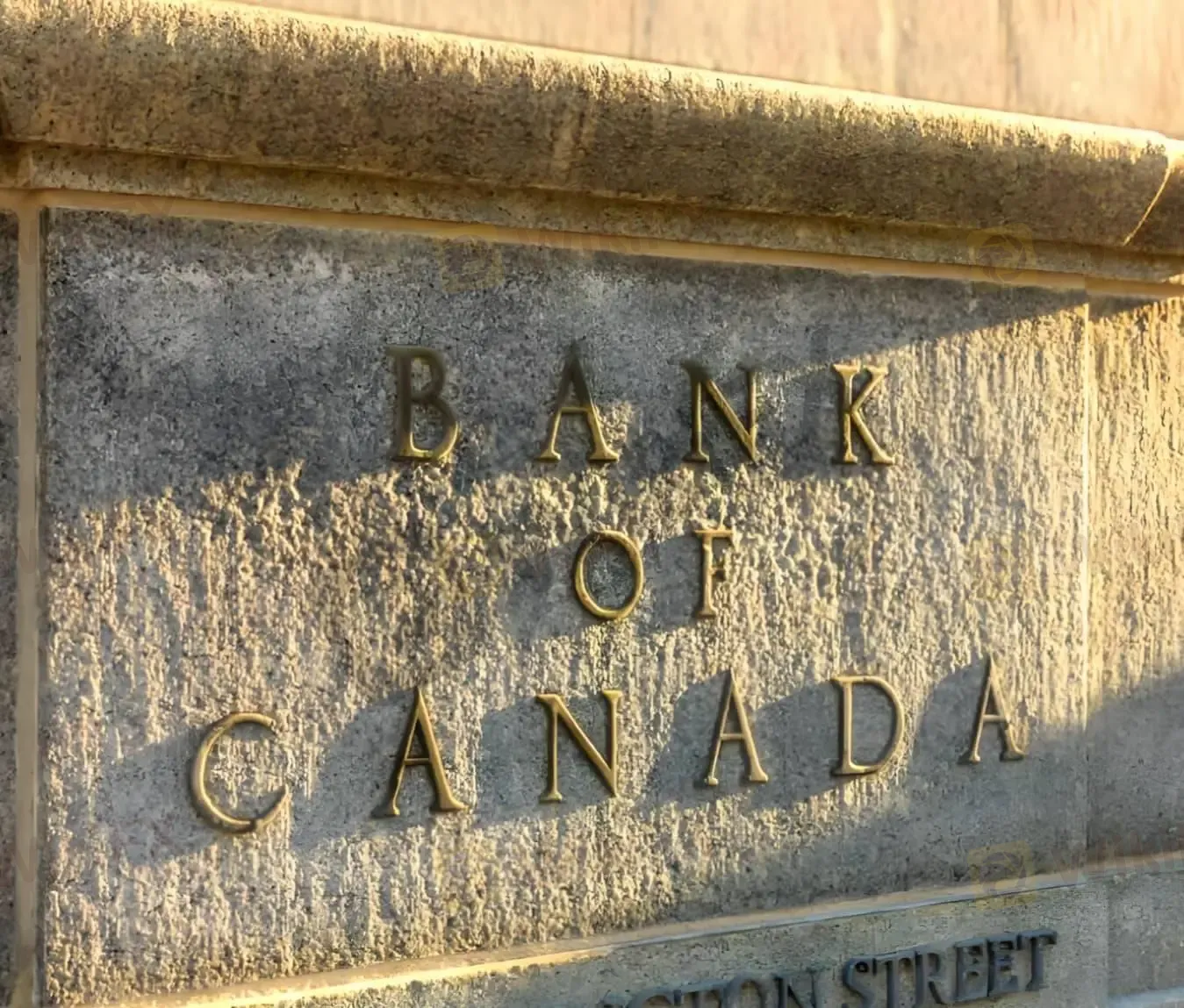
Canada faces a double-edged sword from rising oil prices
Higher energy prices are no longer a one-way positive for Canada. While the export sector benefits from rising oil prices, businesses and households simultaneously face increasing cost pressures. Central bank officials have begun to stress that this shift is changing the traditional view of energy cycles, where higher oil prices no longer automatically translate into economic gains.
From a policy perspective, energy prices first lift inflation, then tighten financial conditions and weigh on demand, while rising uncertainty also dampens investment decisions. If oil prices remain elevated for an extended period, broader price pass-through could occur, affecting both services and goods, which is precisely the risk the central bank is watching most closely. FXTRADING analysis suggests that Canada is entering a phase of high oil prices without necessarily strong growth, where the energy windfall is increasingly offset by inflation and weakening demand, limiting policy flexibility.
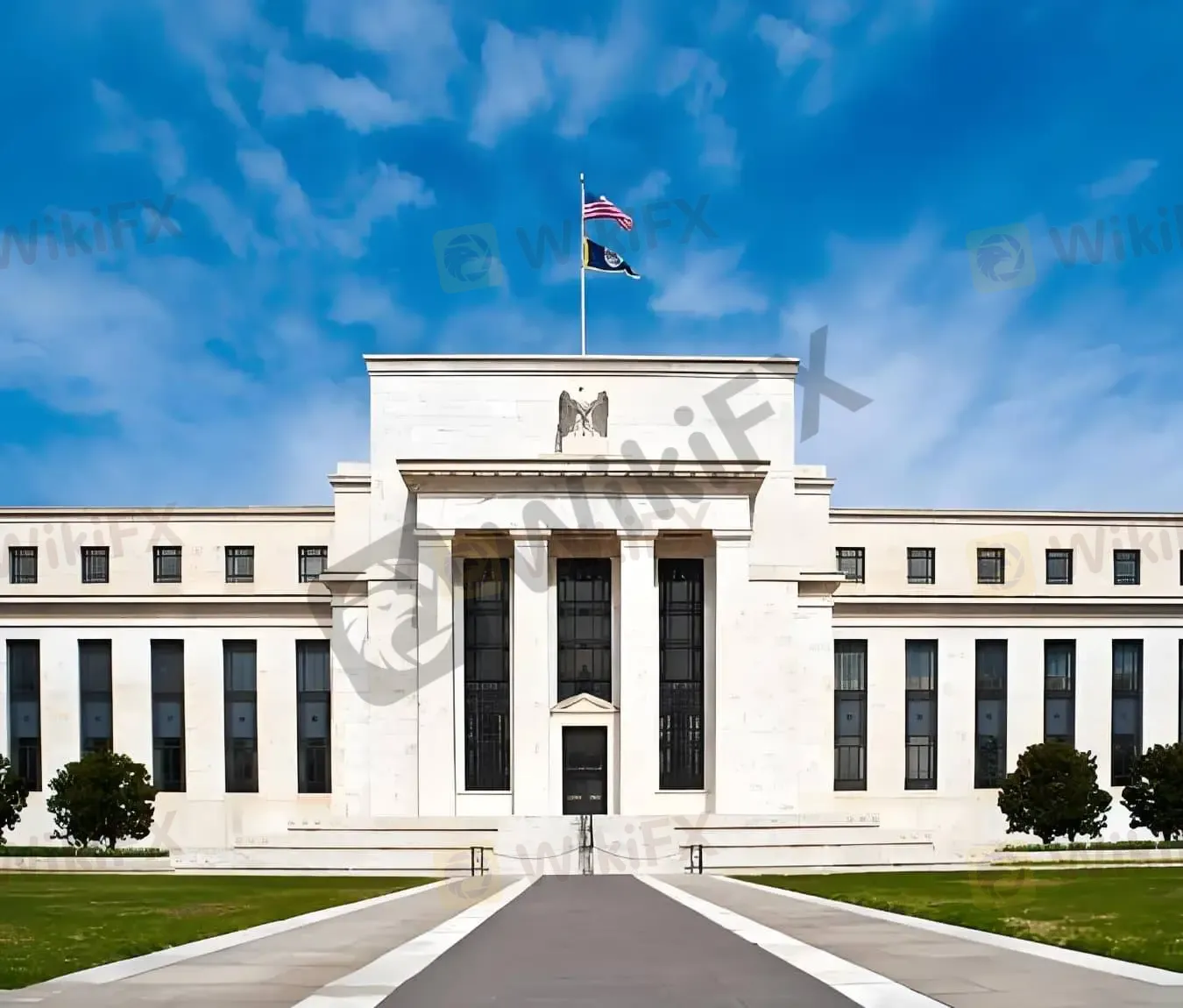
The Federal Reserve shifts its focus back to inflation
Recent remarks from multiple Federal Reserve officials indicate a shift in policy priorities. The labor market is generally viewed as being in relative balance, making employment less of an immediate concern, while inflation risks have once again taken center stage, especially against the backdrop of rising energy prices.
From internal discussions, the key variable is not just whether inflation rises, but how persistent it may be. A short-term shock would likely have limited impact, but if energy prices remain elevated, it could alter the inflation trajectory and influence expectations. Once expectations become unanchored, interactions between prices and wages may intensify, making policy adjustments more reactive. FXTRADING analysis suggests that the Feds policy focus has shifted from supporting employment to controlling inflation, and if inflation expectations begin to drift, interest rates may need to stay higher for longer.

Eurozone growth slows while cost pressures rise
The latest PMI data from the Eurozone suggests the economy is entering a delicate phase. Manufacturing shows some improvement, but services have weakened noticeably, and this divergence is dragging down overall performance, with the composite index approaching stagnation. Businesses widely report declining orders and weakening confidence, indicating that demand is gradually cooling.
At the same time, rising energy prices combined with supply chain disruptions are pushing up input costs and extending delivery times once again. This combination of slowing growth and rising costs reflects a classic stagflation dynamic. In the short term, corporate profit margins are being squeezed, while in the medium term, investment and employment may also be affected. FXTRADING analysis suggests that the Eurozone is at a crossroads of weakening growth momentum and rising inflation pressures, making policy choices increasingly difficult, where even small missteps could amplify economic volatility.
(For more insights into global macroeconomic trends and market developments, please follow FXTRADINGs official updates. This information is provided for reference only and does not constitute any form of investment advice.)
Disclaimer:
Le opinioni di questo articolo rappresentano solo le opinioni personali dell’autore e non costituiscono consulenza in materia di investimenti per questa piattaforma. La piattaforma non garantisce l’accuratezza, la completezza e la tempestività delle informazioni relative all’articolo, né è responsabile delle perdite causate dall’uso o dall’affidamento delle informazioni relative all’articolo.
WikiFX Trader
TMGM
Sotto supervisione
FXTM
Sotto supervisione
FxPro
Sotto supervisione
EBC FINANCIAL GROUP
Sotto supervisione
HFM
Sotto supervisione
eightcap
Sotto supervisione
TMGM
Sotto supervisione
FXTM
Sotto supervisione
FxPro
Sotto supervisione
EBC FINANCIAL GROUP
Sotto supervisione
HFM
Sotto supervisione
eightcap
Sotto supervisione
WikiFX Trader
TMGM
Sotto supervisione
FXTM
Sotto supervisione
FxPro
Sotto supervisione
EBC FINANCIAL GROUP
Sotto supervisione
HFM
Sotto supervisione
eightcap
Sotto supervisione
TMGM
Sotto supervisione
FXTM
Sotto supervisione
FxPro
Sotto supervisione
EBC FINANCIAL GROUP
Sotto supervisione
HFM
Sotto supervisione
eightcap
Sotto supervisione
Rate Calc
USD

CNY
Tasso di cambio attuale:0
inserisci l'importo
USD
A disposizione
CNY
Calcolare 