

Broker Globale Piattaforma di Verifica Regolamentare
WikiFX
Italiano
简体中文
繁體中文
English
Pусский
日本語
ภาษาไทย
Tiếng Việt
Bahasa Indonesia
Español
हिन्दी
Filippiiniläinen
Français
Deutsch
Português
Türkçe
한국어
العربية
اردو
Middle East Tensions Escalate: War Could Break Out at Any Moment
Sommario:[Chart 1: U.S.–Iran Geopolitical Overview]The current situation in the Middle East has moved beyond the window for diplomatic mediation and entered a critical phase characterized by “full-scale war pr
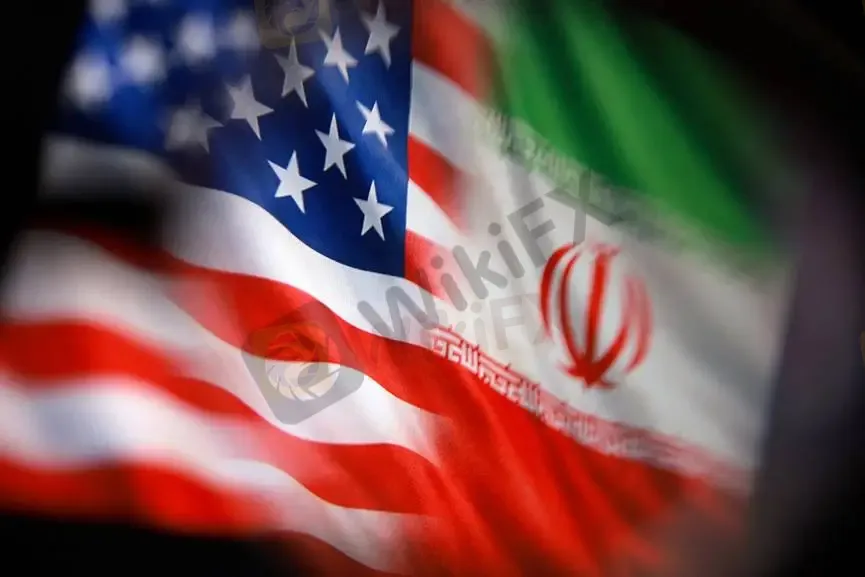
[Chart 1: U.S.–Iran Geopolitical Overview]
The current situation in the Middle East has moved beyond the window for diplomatic mediation and entered a critical phase characterized by “full-scale war preparation” and “maximum-risk military escalation.” Following Iran‘s formal rejection of the “15-point agreement,” the Trump administration’s strategy appears to have shifted from “fighting to negotiate” to “fighting to seize strategic assets.”
Iranian officials, including both the Foreign Ministry and Parliament, have jointly condemned the U.S. proposal as “extreme, unreasonable, and tantamount to surrender.” Tehran views Washingtons simultaneous push for negotiations and deployment of ground forces to seize key islands as a classic delaying tactic. Iran has explicitly stated it will abandon any remaining diplomatic illusions and instead rely on its military capabilities to establish “deterrence through retaliation.” This signals a high probability of a new wave of long-range missile strikes in the Persian Gulf within the next 48 hours.
The U.S. demand for the complete surrender of enriched uranium is perceived by Iran as a “humiliating treaty” that undermines national sovereignty. At this stage, there is virtually no room for compromise between the two sides on the fundamental issues of “national survival” versus “nuclear disarmament.”
In a recent interview, Trump revealed the underlying objective of potential military operations: territorial control and resource acquisition.
Restructuring the Oil Landscape: Trump indicated that the U.S. does not rule out seizing Iran‘s key oil hub, Kharg Island, and potentially adopting a Venezuela-style model to directly control oil revenues. This signals a shift from punitive airstrikes toward a broader “resource war” aimed at crippling Iran’s economic lifeline and converting it into strategic gains for the United States.
High-Risk Nuclear Seizure Operation: U.S. elite special forces are reportedly planning a deep incursion into Iranian territory to secure approximately 1,000 pounds of enriched uranium. This operation carries extreme risks, involving air defense suppression, search operations in hostile environments, and specialized transport logistics. If executed, it would likely extend the war timeline significantly beyond the projected 4–6 weeks, while introducing elevated risks of casualties and potential nuclear leakage.
The formal involvement of Houthi forces, including ballistic missile strikes, marks a clear spillover of the conflict into the Red Sea. The Strait of Hormuz has effectively been disrupted for nearly a month. Should the Houthis further blockade the Bab el-Mandeb Strait, approximately 12% of global seaborne oil transport and key Suez Canal routes could be paralyzed.
Such developments would deliver a devastating shock to global supply chains, forcing vessels traveling between Europe and Asia to reroute around the Cape of Good Hope. This would drive shipping costs and inflationary pressures exponentially higher. The arrival of the USS Tripoli and USS George H.W. Bush carrier strike groups, alongside plans to deploy an additional 10,000 ground troops, indicates that the U.S. military is preparing for the possibility of a two-front conflict scenario.
Gold Technical Analysis
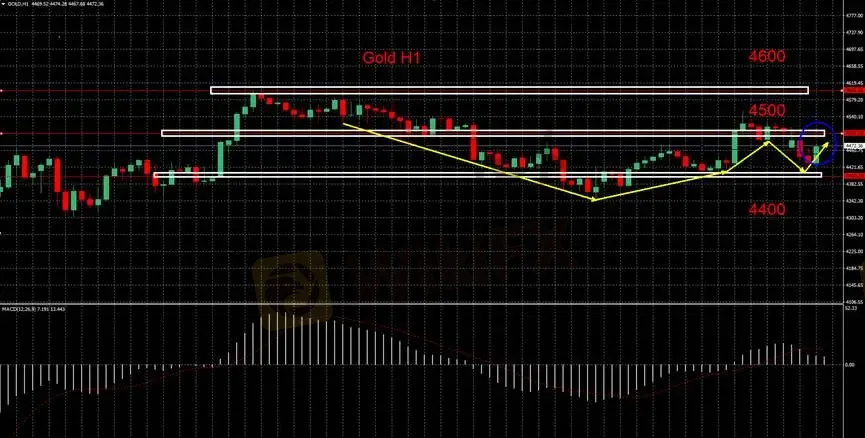
[Chart 2: Gold H1 (1-Hour) Chart Analysis]
From a technical perspective, gold remains in a range-bound but slightly bearish structure, with prices repeatedly testing the 4,400–4,500 range. Multiple failed attempts to sustain a breakout above 4,500 indicate that overhead resistance remains firmly intact.
At the same time, MACD momentum is flattening and showing signs of weakening, suggesting that the current rebound is losing strength. In the short term, 4,500 remains the key resistance level. If prices fail to break above this level on another rebound, short positions at higher levels may be favored.
On the downside, attention should be focused on the 4,400 support level. A decisive break below this threshold could open the door for a retest of previous lows and potentially extend the bearish trend. Only a confirmed breakout and sustained move above 4,500 would shift the structure to a bullish bias. Otherwise, the broader outlook remains range-bound with a bearish tilt.
Risk Disclaimer
The above views, analysis, research, price levels, and other information are provided for general market commentary only and do not represent the official position of the platform. All readers assume full responsibility for any risks associated with their investment decisions. Please trade with caution.
Disclaimer:
Le opinioni di questo articolo rappresentano solo le opinioni personali dell’autore e non costituiscono consulenza in materia di investimenti per questa piattaforma. La piattaforma non garantisce l’accuratezza, la completezza e la tempestività delle informazioni relative all’articolo, né è responsabile delle perdite causate dall’uso o dall’affidamento delle informazioni relative all’articolo.
WikiFX Trader
eightcap
Sotto supervisione
JustMarkets
Sotto supervisione
FXTM
Sotto supervisione
AVATRADE
Sotto supervisione
D prime
Supervisione del paese
Exness
Sotto supervisione
eightcap
Sotto supervisione
JustMarkets
Sotto supervisione
FXTM
Sotto supervisione
AVATRADE
Sotto supervisione
D prime
Supervisione del paese
Exness
Sotto supervisione
WikiFX Trader
eightcap
Sotto supervisione
JustMarkets
Sotto supervisione
FXTM
Sotto supervisione
AVATRADE
Sotto supervisione
D prime
Supervisione del paese
Exness
Sotto supervisione
eightcap
Sotto supervisione
JustMarkets
Sotto supervisione
FXTM
Sotto supervisione
AVATRADE
Sotto supervisione
D prime
Supervisione del paese
Exness
Sotto supervisione
Rate Calc
USD

CNY
Tasso di cambio attuale:0
inserisci l'importo
USD
A disposizione
CNY
Calcolare 