

Broker Globale Piattaforma di Verifica Regolamentare
WikiFX
Italiano
简体中文
繁體中文
English
Pусский
日本語
ภาษาไทย
Tiếng Việt
Bahasa Indonesia
Español
हिन्दी
Filippiiniläinen
Français
Deutsch
Português
Türkçe
한국어
العربية
اردو
FXTRADING Economic Data Summary (Asia-Pacific | 03/25)
Sommario:Japans PMI expansion momentum has slowed significantlyJapans PMI data for March showed an overall weakening trend, with both manufacturing and services cooling to varying degrees. Manufacturing retrea

Japans PMI expansion momentum has slowed significantly
Japans PMI data for March showed an overall weakening trend, with both manufacturing and services cooling to varying degrees. Manufacturing retreated from its previously stronger level, while the services sector also lost the steady momentum seen at the start of the year. The composite index declined accordingly. Although it remains in expansion territory, the pace has clearly slowed, suggesting that the previously solid recovery is beginning to lose momentum.
More importantly, cost pressures are rising at the same time. Higher energy prices, supply chain instability, a weaker yen, and rising labor costs have all pushed up input costs for businesses. Manufacturers have been able to partially offset these pressures through price increases, but service providers have weaker pricing power, leaving profit margins under pressure and business sentiment turning more cautious. FXTRADING analysis believes Japan is currently facing a phase where growth is slowing while costs are rising. Expansion is still ongoing, but the quality of that growth is deteriorating, and attention should be paid to whether pressure on service-sector profitability will further drag on the broader economy.

Australias services sector becomes the main drag on PMI
Australias PMI data for March weakened noticeably, with the composite index falling below the expansion threshold, indicating that the private sector has entered contraction territory. Manufacturing only slipped slightly, but the services sector declined more sharply and became the key factor dragging down the overall economy, reflecting a clear weakening in domestic demand.
The change on the demand side has been particularly evident. Businesses reported declining orders, especially in service-related industries. At the same time, cost pressures are accelerating, with energy and supply chain factors pushing overall costs higher. As demand weakens, firms are finding it difficult to fully pass these costs on through higher prices, further increasing operational pressure. FXTRADING analysis believes the Australian economy has moved from a slowdown into a phase of tangible contraction. Weakness in the services sector combined with rising costs suggests the situation is unlikely to improve quickly, and downside risks to growth are building.

The Reserve Bank of New Zealand adopts a more cautious policy stance
The Reserve Bank of New Zealand has taken a clearly cautious view of the current environment, believing inflation could rise again in the near term while growth momentum weakens. Higher energy prices and external uncertainties are creating a stagflation-like combination, which makes policy decisions more challenging.
Beyond inflation, financial stability has also become a focus. Global uncertainty could affect funding conditions for the banking system, though domestically banks still maintain relatively strong capital and liquidity positions, providing a degree of resilience. Policymakers are responding with restraint, avoiding an overreaction to short-term inflation fluctuations while remaining vigilant against the risk of inflation expectations becoming unanchored. FXTRADING analysis believes New Zealand is currently in a phase dominated by external shocks, where policymakers must balance inflation control with growth stability, and the near-term stance is likely to remain cautious and observant.
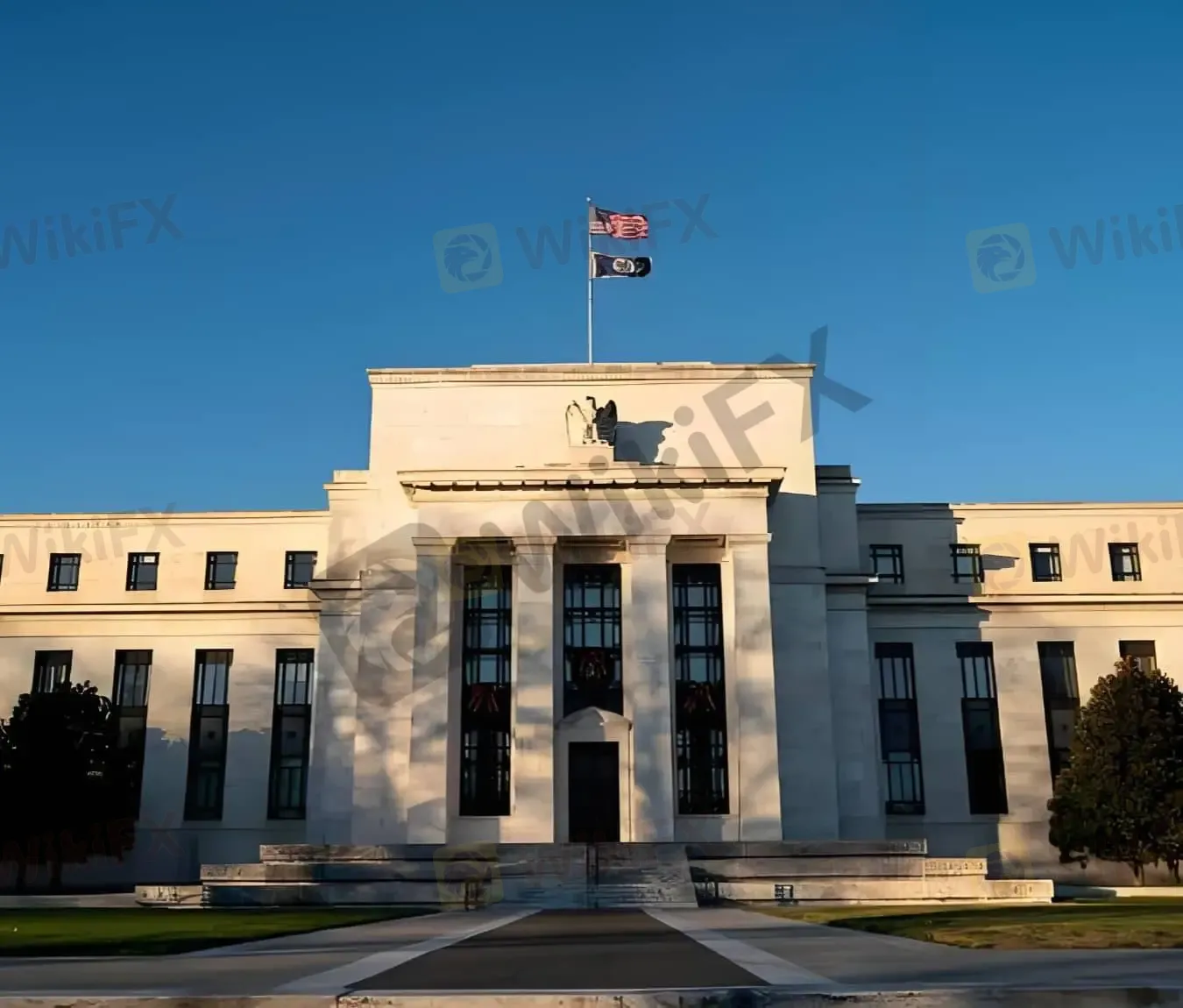
Uncertainty surrounds the pace of future Federal Reserve rate cuts
Within the Federal Reserve, views on the future policy path have become more cautious. As the Middle East situation continues to evolve, rising uncertainty around energy prices has made the inflation outlook more difficult to assess, directly affecting expectations for the timing of rate cuts. Policymakers are paying closer attention to broader trends rather than reacting to short-term data fluctuations.
Past experience is also shaping current decision-making. Lessons from earlier overly optimistic inflation assessments have made policymakers more cautious about shifting policy too soon. Although the overall expectation still points to the possibility of lower rates in the future, that outcome depends on sustained progress in inflation. Without such improvement, policy may remain at elevated levels for longer. FXTRADING analysis believes the Feds core challenge remains the uncertainty surrounding the inflation path, and the energy shock linked to Middle East tensions adds another variable that could push the window for rate cuts further into the future.
Disclaimer:
Le opinioni di questo articolo rappresentano solo le opinioni personali dell’autore e non costituiscono consulenza in materia di investimenti per questa piattaforma. La piattaforma non garantisce l’accuratezza, la completezza e la tempestività delle informazioni relative all’articolo, né è responsabile delle perdite causate dall’uso o dall’affidamento delle informazioni relative all’articolo.
WikiFX Trader
WikiFX Trader
Rate Calc
USD

CNY
Tasso di cambio attuale:0
inserisci l'importo
USD
A disposizione
CNY
Calcolare 