

Broker Globale Piattaforma di Verifica Regolamentare
WikiFX
Italiano
简体中文
繁體中文
English
Pусский
日本語
ภาษาไทย
Tiếng Việt
Bahasa Indonesia
Español
हिन्दी
Filippiiniläinen
Français
Deutsch
Português
Türkçe
한국어
العربية
اردو
FXTRADING Economic Data Summary (Asia-Pacific | 03/18)
Sommario:Germanys economic outlook has weakened significantlyThe latest data shows that Germanys ZEW economic expectations index plunged sharply from 58.3 to -0.5 in March, not only falling below the zero line

Germanys economic outlook has weakened significantly
The latest data shows that Germanys ZEW economic expectations index plunged sharply from 58.3 to -0.5 in March, not only falling below the zero line but also far missing market expectations of 39.0. Markets generally believe that as 2026 begins, external shocks facing the German economy are gradually emerging, especially the renewed rise in energy prices, which is putting pressure on both corporate costs and consumer confidence.
The key driver behind the sharp drop in sentiment comes from the ongoing tensions in the Middle East, which have pushed energy prices higher and revived concerns about a rebound in inflation in Germany. Despite this, the indicator reflecting current economic conditions improved slightly, with Germany‘s current situation index rising from -65.9 to -62.9, suggesting that the near-term economic environment is still holding up to some extent. FXTRADING analysis suggests that the sharp volatility in the ZEW index highlights how sensitive market sentiment is to energy risks. If energy prices remain elevated, the pace of Europe’s economic recovery may slow again, leaving the Eurozones growth outlook facing considerable uncertainty.

Italys inflation shows a modest rebound
Italys consumer price index rose 1.5% year-on-year in February, up from 1.0% in January but slightly below the previously released preliminary estimate of 1.6%. Even so, this marks one of the higher readings in recent months, indicating that price pressures are gradually building. On a monthly basis, consumer prices increased by 0.7%, slightly below the revised 0.8%, suggesting that short-term inflation momentum remains relatively moderate.
From a structural perspective, transport-related services were the main driver behind the rise in inflation, with prices in this category increasing by 2.9% year-on-year, significantly higher than January‘s 0.7%. Food prices also showed mixed changes, with unprocessed food inflation accelerating to 3.7%, while processed food inflation slowed from 1.9% to 1.4%. Meanwhile, energy prices continued to exert a notable drag on overall inflation, with energy product prices declining by 11.6%. FXTRADING analysis suggests that although Italy’s inflation has picked up, it remains within a relatively moderate range. As long as energy prices stay negative, their suppressive effect on overall inflation is likely to persist.
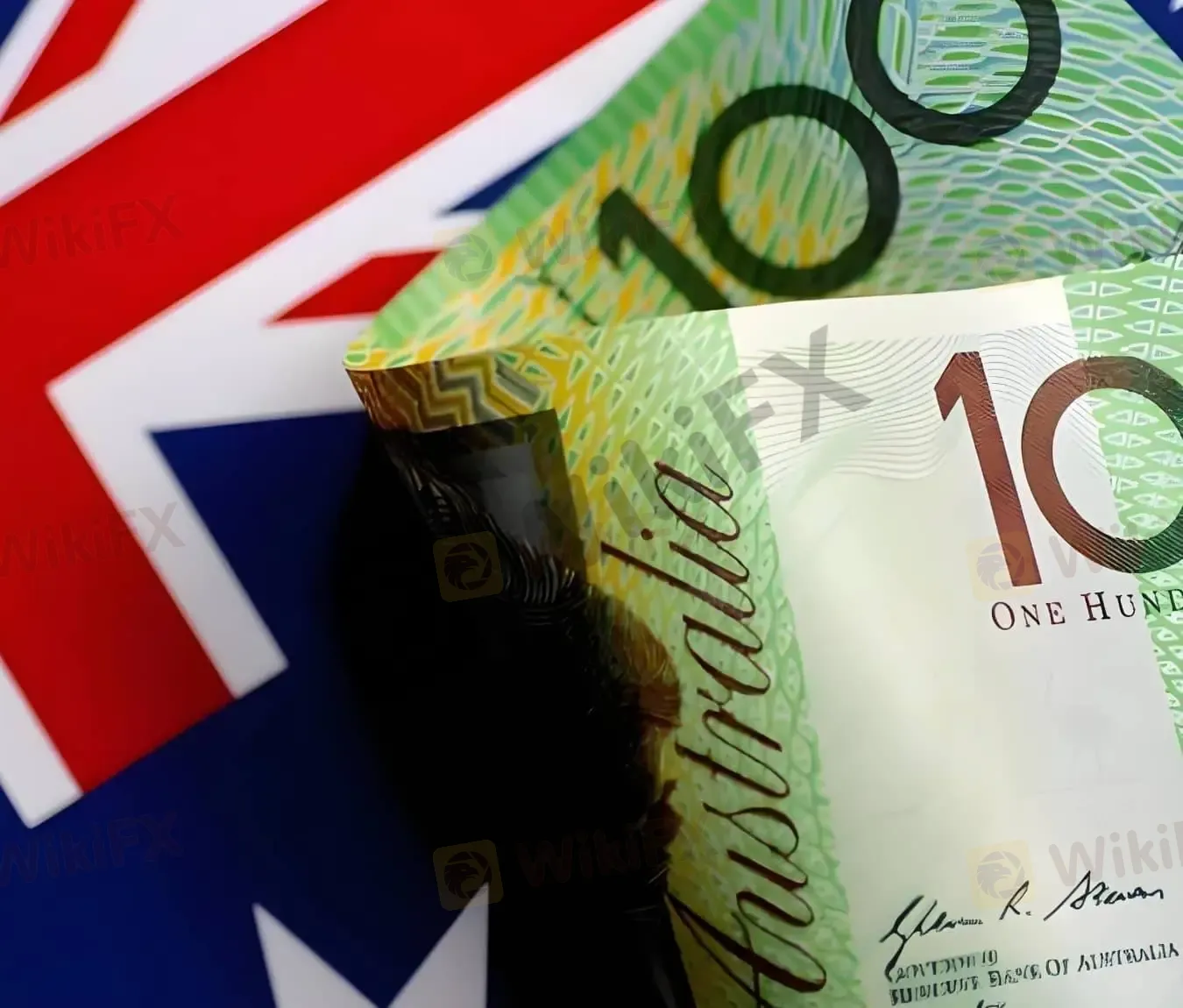
Reserve Bank of Australia raises interest rates
The Reserve Bank of Australia decided at its latest meeting to raise the cash rate by 25 basis points to 4.10%. This decision was largely in line with market expectations, but what drew greater attention was the narrow 5–4 split in the board vote. Such a close vote highlights clear divisions among policymakers, with some members emphasizing the need to further contain inflation risks, while others are more concerned that excessive tightening could weigh on economic growth.
A key backdrop for this rate hike is also the uncertainty in energy markets. The escalation of tensions in the Middle East has pushed fuel prices higher, contributing to a renewed rise in inflation expectations. In its policy statement, the RBA noted that higher energy prices could keep inflation above the target range for longer. FXTRADING analysis suggests that while the rate hike reflects vigilance toward inflation risks, the internal division also points to increased uncertainty in the future policy path, meaning that upcoming rate decisions are likely to be more data-dependent.

Canadas labor market cools abruptly
Canada‘s labor market showed a clear slowdown in February, with employment falling by approximately 83,900, far below market expectations of a modest increase. This result indicates that after a period of relatively solid expansion, Canada’s labor market is beginning to lose momentum. From an industry perspective, employment declined by around 56,000 in the services sector, while goods-producing industries also shed about 28,000 jobs, suggesting that the weakness is broadly based.
Canadas unemployment rate rose from 6.5% to 6.7% in February, while the labor force participation rate edged down to 64.9%. However, it is worth noting that despite the drop in employment, wage growth accelerated, with average hourly earnings rising 3.9% year-on-year, up from 3.3% previously. This suggests that although the labor market is cooling, wage pressures remain, which could have implications for future inflation trends. FXTRADING analysis believes that the sharp decline in employment may signal weakening economic momentum, and if this trend continues, market expectations for future rate cuts by the Bank of Canada could strengthen further.
(For more insights into global macroeconomic trends and market developments, please follow FXTRADINGs official updates. This information is provided for reference only and does not constitute any form of investment advice.)
Disclaimer:
Le opinioni di questo articolo rappresentano solo le opinioni personali dell’autore e non costituiscono consulenza in materia di investimenti per questa piattaforma. La piattaforma non garantisce l’accuratezza, la completezza e la tempestività delle informazioni relative all’articolo, né è responsabile delle perdite causate dall’uso o dall’affidamento delle informazioni relative all’articolo.
WikiFX Trader
GTCFX
Sotto supervisione
AVATRADE
Sotto supervisione
IC Markets Global
Sotto supervisione
FxPro
Sotto supervisione
D prime
Supervisione del paese
FXCM
Sotto supervisione
GTCFX
Sotto supervisione
AVATRADE
Sotto supervisione
IC Markets Global
Sotto supervisione
FxPro
Sotto supervisione
D prime
Supervisione del paese
FXCM
Sotto supervisione
WikiFX Trader
GTCFX
Sotto supervisione
AVATRADE
Sotto supervisione
IC Markets Global
Sotto supervisione
FxPro
Sotto supervisione
D prime
Supervisione del paese
FXCM
Sotto supervisione
GTCFX
Sotto supervisione
AVATRADE
Sotto supervisione
IC Markets Global
Sotto supervisione
FxPro
Sotto supervisione
D prime
Supervisione del paese
FXCM
Sotto supervisione
Rate Calc
USD

CNY
Tasso di cambio attuale:0
inserisci l'importo
USD
A disposizione
CNY
Calcolare 