

Applicazione di richiesta di informazioni sulla regolamentazione dei broker globali
WikiFX
English
简体中文
繁體中文
English
Pусский
日本語
ภาษาไทย
Tiếng Việt
Bahasa Indonesia
Español
हिन्दी
Filippiiniläinen
Français
Deutsch
Português
Türkçe
한국어
العربية
FXTRADING Financial Focus (Asia-Pacific 03/17)Energy giants warn of supply disruptions
Sommario:Recent tensions in the Middle East are increasingly impacting the global energy market, and the U.S. government is closely evaluating potential risks. Senior executives from several major oil companie
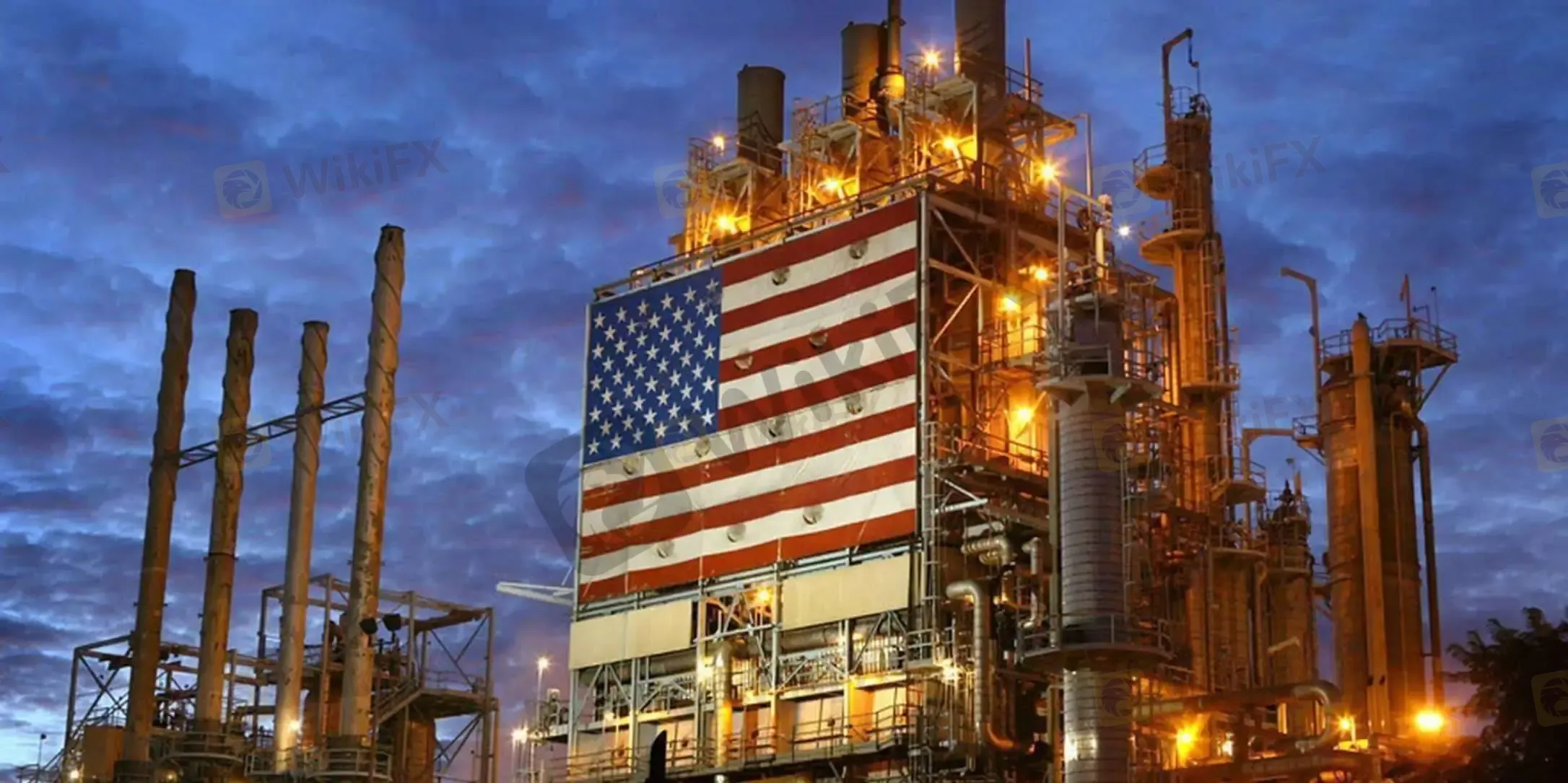
Recent tensions in the Middle East are increasingly impacting the global energy market, and the U.S. government is closely evaluating potential risks. Senior executives from several major oil companies have expressed clear concerns in discussions with government officials, warning that if the conflict continues to escalate, the energy supply chain could face more severe disruptions. For the global crude oil market, which heavily relies on Middle Eastern shipping routes, any transportation bottleneck could rapidly amplify price volatility and further influence global economic expectations.
During a series of meetings held in Washington, executives from major U.S. energy companies delivered cautious signals to government officials. Management from ExxonMobil, Chevron, and ConocoPhillips generally believe that if transportation through the Strait of Hormuz is significantly disrupted for an extended period, the global energy market will face heightened instability. The strait is one of the most critical energy transit routes in the world, with large volumes of crude oil and liquefied natural gas passing through daily on their way to Asian and European markets. Any restriction on shipping would quickly tighten the supply chain.
From a market perspective, U.S. crude oil prices have climbed rapidly, rising from around USD 87 per barrel to nearly USD 100. Energy executives widely believe that if speculative capital continues to fuel market sentiment, prices could rise even further, while supply shortages of refined petroleum products may also emerge. Some company leaders have even begun preparing for a higher oil price range as uncertainty in the market continues to grow.
In response to the situation, the U.S. government is evaluating multiple policy options aimed at easing tensions in the energy market. Several measures have already been discussed, including expanding the scale of releases from the Strategic Petroleum Reserve and reviewing the possibility of relaxing certain sanctions on Russian crude oil. Officials are also considering adjustments to some domestic transportation restrictions and promoting increased crude supply from regions such as Venezuela, hoping to enhance market liquidity through multiple channels.
However, within the energy industry, many participants remain cautious about whether these measures can effectively ease the crisis. Numerous companies believe that while short-term policy tools may help buffer rising prices to some extent, they cannot fundamentally resolve the underlying issue. The real key lies in whether shipping through the Strait of Hormuz can return to stable conditions. If this transportation hub remains disrupted for a prolonged period, roughly one-fifth of the worlds oil and natural gas supply could be affected, keeping energy prices under sustained upward pressure.
During industry discussions, some energy executives noted that although higher oil prices may boost corporate profits in the short term, excessively high prices sustained for too long could ultimately damage demand and economic growth. Rising energy costs increase expenses for transportation, manufacturing, and consumption, which in turn can weigh on broader economic activity. Some companies have already begun conducting stress tests to assess the impact on the industry and markets if oil prices remain elevated for an extended period.
From the perspective of FXTRADING, the potential impact of this energy shock goes far beyond oil prices alone. If tensions in the Middle East persist and transportation bottlenecks remain unresolved, higher energy costs could further intensify global inflationary pressures while squeezing corporate profits and household spending power. Uncertainty in the energy market may also amplify volatility in global financial markets and prompt governments and businesses worldwide to reassess energy security and supply chain arrangements.
Disclaimer:
Le opinioni di questo articolo rappresentano solo le opinioni personali dell’autore e non costituiscono consulenza in materia di investimenti per questa piattaforma. La piattaforma non garantisce l’accuratezza, la completezza e la tempestività delle informazioni relative all’articolo, né è responsabile delle perdite causate dall’uso o dall’affidamento delle informazioni relative all’articolo.
WikiFX Trader
FXTM
Sotto supervisione
HFM
Sotto supervisione
FOREX.com
Supervisione del paese
XM
Sotto supervisione
VT Markets
Sotto supervisione
D prime
Supervisione del paese
FXTM
Sotto supervisione
HFM
Sotto supervisione
FOREX.com
Supervisione del paese
XM
Sotto supervisione
VT Markets
Sotto supervisione
D prime
Supervisione del paese
WikiFX Trader
FXTM
Sotto supervisione
HFM
Sotto supervisione
FOREX.com
Supervisione del paese
XM
Sotto supervisione
VT Markets
Sotto supervisione
D prime
Supervisione del paese
FXTM
Sotto supervisione
HFM
Sotto supervisione
FOREX.com
Supervisione del paese
XM
Sotto supervisione
VT Markets
Sotto supervisione
D prime
Supervisione del paese
Rate Calc
USD

CNY
Tasso di cambio attuale:0
inserisci l'importo
USD
A disposizione
CNY
Calcolare 