

Broker Globale Piattaforma di Verifica Regolamentare
WikiFX
English
简体中文
繁體中文
English
Pусский
日本語
ภาษาไทย
Tiếng Việt
Bahasa Indonesia
Español
हिन्दी
Filippiiniläinen
Français
Deutsch
Português
Türkçe
한국어
العربية
FXTRADING Financial Focus (Asia-Pacific 03/11)Saudi Redirects Oil Exports to Red Sea
Sommario:The sudden escalation of tensions in the Middle East has pushed the global energy market back into a state of heightened anxiety. Shipping through the Strait of Hormuz was briefly disrupted, raising t
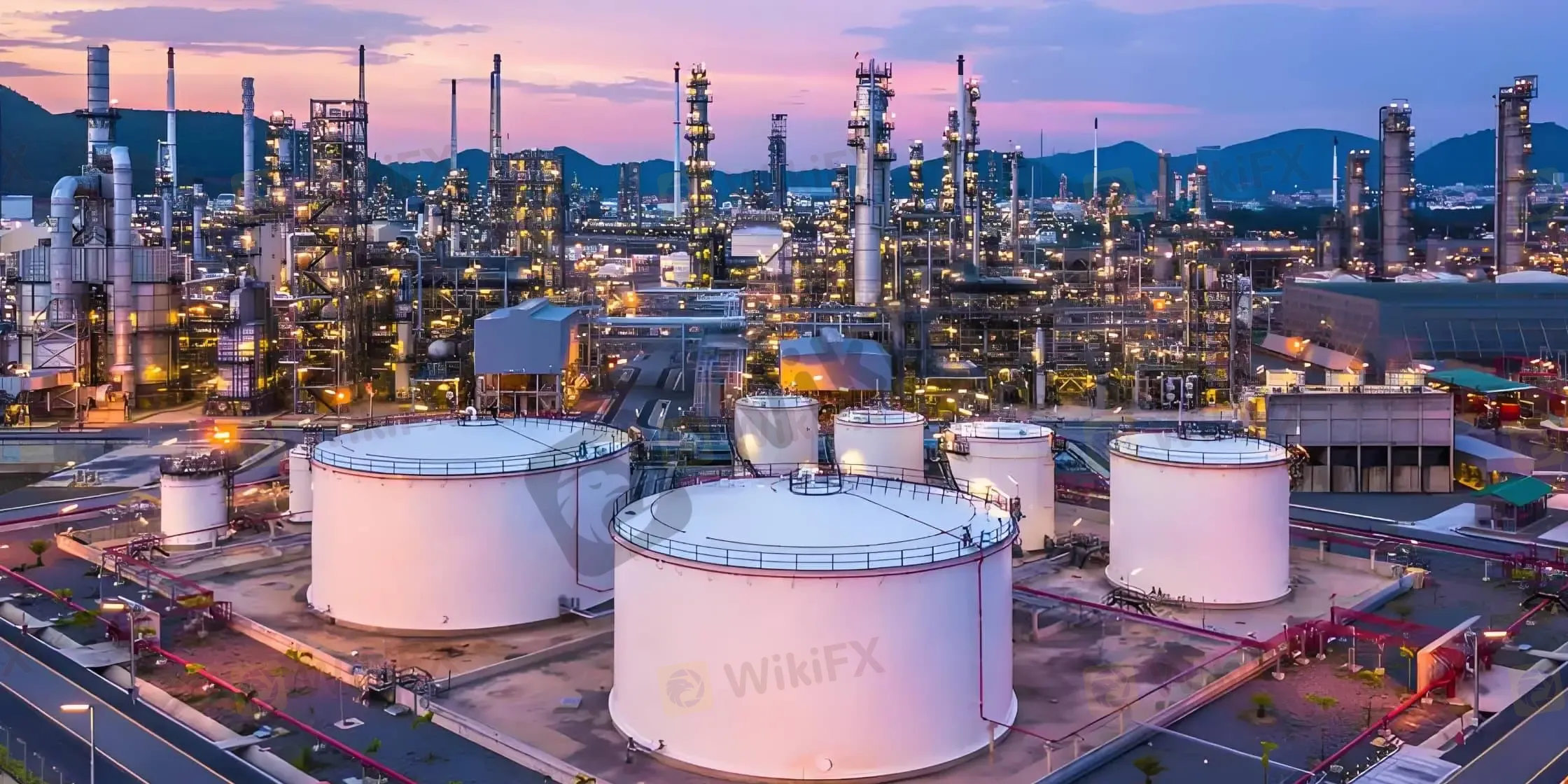
The sudden escalation of tensions in the Middle East has pushed the global energy market back into a state of heightened anxiety. Shipping through the Strait of Hormuz was briefly disrupted, raising the risk of interruptions along this critical waterway that carries roughly one-fifth of the worlds oil and liquefied natural gas supplies. Concerns over supply security quickly intensified, sending international oil prices sharply higher within a short period of time. Brent crude at one point surged close to USD 120 per barrel, reflecting the rapidly tightening sentiment in the energy market.
Against this backdrop, Saudi Arabia‘s energy system quickly activated emergency measures. Executives at Saudi Aramco stated that part of the country’s export flows have been redirected toward the Red Sea. Crude oil is being transported through a pipeline connecting the eastern and western coasts of the kingdom, allowing shipments to bypass the Strait of Hormuz. The pipeline has a daily capacity of around 7 million barrels and its utilization is currently being ramped up. Once operating at full capacity, it could become a crucial alternative route to maintain Saudi oil exports.
Under the current arrangement, about 2 million barrels of the oil transported through this pipeline will be used to supply refineries located in western Saudi Arabia. These refineries will continue exporting refined petroleum products to global markets while meeting domestic demand. The remaining crude will be shipped directly from Red Sea ports to international buyers. If the logistics plan proceeds smoothly, Saudi Arabia expects to restore at least 5 million barrels per day of export capacity within several days, equivalent to roughly 70% of its export level before the crisis.
However, the pace of export recovery still depends heavily on tanker scheduling. Some oil tankers had previously been waiting near the Persian Gulf for new loading arrangements. Only when these vessels gradually arrive at the new loading ports can exports return to a more stable level. At the same time, Saudi Arabia is accelerating efforts to restore operations at several affected facilities. The Ras Tanura refinery complex, which had previously been targeted by drone attacks, has already begun gradually resuming production, while repairs to broader energy infrastructure continue.
Despite the alternative export route beginning to play a role, supply risks across the Middle East remain significant. Following the outbreak of the conflict, Saudi Arabia was forced to cut production at two key oil fields, with estimated output losses of around 2.5 million barrels per day. Neighboring producers have also been affected. The United Arab Emirates and Kuwait have declared force majeure on certain shipments, and some tanker routes have been suspended. Iraq is also evaluating new export strategies, including expanding pipeline transport in order to reduce reliance on the Strait of Hormuz.
A larger concern lies in the fact that global oil inventories are already near multi-year lows. Years of underinvestment in the energy sector combined with steadily rising demand have significantly weakened the markets buffer capacity. If supply disruptions persist, the pace of inventory drawdowns could accelerate sharply. Rising energy prices may not only push up transportation costs but could also quickly spread to industries such as aviation, agriculture, and manufacturing, creating ripple effects across the global economy. From the perspective of FXTRADING, the full impact of this energy crisis may not fade quickly. Even if some oil exports are restored through alternative pipelines, the strategic importance of the Strait of Hormuz cannot be fully replaced. In the coming period, uncertainty surrounding energy supply, geopolitical tensions, and the level of global inventories will remain key factors shaping market sentiment. If the conflict drags on, the global energy system may be forced to accelerate efforts to develop new transportation routes and supply structures, a shift that could reshape the global energy landscape for years to come.
Disclaimer:
Le opinioni di questo articolo rappresentano solo le opinioni personali dell’autore e non costituiscono consulenza in materia di investimenti per questa piattaforma. La piattaforma non garantisce l’accuratezza, la completezza e la tempestività delle informazioni relative all’articolo, né è responsabile delle perdite causate dall’uso o dall’affidamento delle informazioni relative all’articolo.
WikiFX Trader
WikiFX Trader
Rate Calc
USD

CNY
Tasso di cambio attuale:0
inserisci l'importo
USD
A disposizione
CNY
Calcolare 